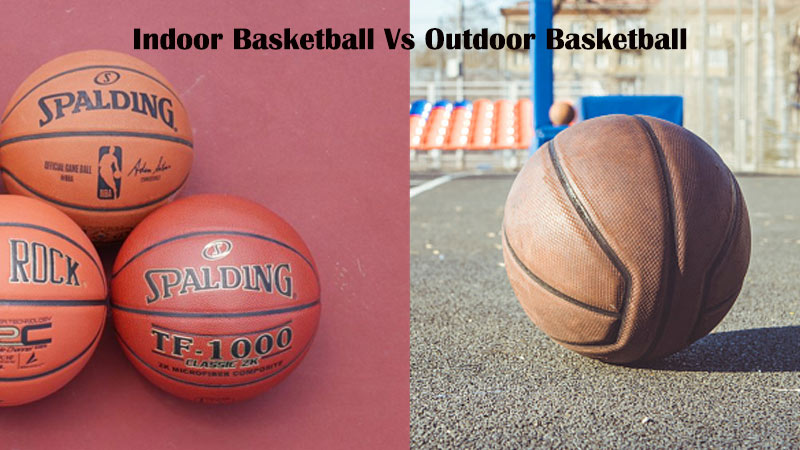
The fundamental objective of basketball—placing a ball through a hoop—remains constant across every environment, yet the experience of the game is radically transformed by the surface beneath a player’s feet.
Whether competing on the polished maple of a climate-controlled gymnasium or the sun-bleached asphalt of an urban park, the differences in equipment, physical demand, and tactical execution are profound.
Mastering the nuances between indoor and outdoor play is essential for athletes who wish to optimize their skill development while protecting their physical health and financial investments in gear.
The Engineering of the Ball: Materials and Composition
The most critical distinction between equipment designed for these two arenas lies in the material composition of the basketball itself. Manufacturers engineer these tools to respond to specific levels of friction and impact.
Indoor Professionalism: Full-Grain Leather
Premium indoor basketballs are typically crafted from 100% genuine full-grain leather. This material provides a natural feel and a superior grip that improves as the ball is “broken in”.
Because leather is porous and soft, it offers a cushioned touch that facilitates complex dribbling and high-finesse shooting. However, this premium material is highly susceptible to damage; if used on abrasive surfaces like concrete, the leather will quickly peel, lose its texture, and be ruined.
Outdoor Durability: Rubber and Heavy-Duty Synthetics
In contrast, outdoor basketballs are engineered for maximum toughness. These are predominantly constructed from heavy-duty rubber or stiff composite materials designed to withstand the “sandpaper” effect of asphalt and concrete.
Rubber is the preferred choice for street play because of its immense resistance to wear and its ability to maintain a consistent bounce on uneven surfaces. Unlike leather, these materials require no break-in period and are ready for immediate use out of the box.
The Hybrid Alternative: Composite Leather
For athletes who frequently transition between settings, the “indoor/outdoor” hybrid ball offers a middle ground.
These are often made from synthetic or composite leather, providing a softer grip than rubber while maintaining a reinforced skin that resists the elements.
While they offer excellent versatility, they may not possess the extreme longevity of a dedicated rubber ball or the elite tactile feedback of genuine leather.
The Playing Surface: Hardwood vs. Hardcourt
The physical environment dictates the pace and safety of the game.
Indoor Hardwood
The gold standard for indoor play is polished hard maple. This surface is chosen for its aesthetic appeal, durability, and most importantly, its consistency.
Hardwood floors are designed with shock absorption in mind, which significantly reduces the impact on a player’s knees and ankles during high-intensity jumping and landing.
This controlled environment allows for fluid play and predictable ball physics, making it the preferred setting for professional, collegiate, and high school competitions.
Outdoor Asphalt and Concrete
Outdoor courts are typically composed of asphalt or concrete, though some modern facilities utilize rubberized surfaces for better shock absorption. Asphalt is particularly favored for its ability to withstand extreme weather and regular wear.
However, these surfaces are far more abrasive and unforgiving than wood. The lack of shock absorption on traditional hardcourts places higher stress on the joints, and the grit of the surface wears down both the ball and the player’s footwear at an accelerated rate.
Environmental Factors and Physical Demand
One of the most immediate challenges of moving a game outside is the loss of climate control.
Weather and Stamina
Indoor facilities provide a predictable environment where athletes can perform without concern for the forecast. Outdoor players, however, must contend with rain, snow, and extreme temperatures.
Playing in the summer heat increases cardiovascular demand as the body works harder to cool itself, which can lead to fatigue setting in more quickly than in a gym. Conversely, winter play requires significant energy just to keep the muscles warm.
The Influence of Wind and Sun
Natural elements introduce variables that can disrupt even the most refined shooting mechanics. Wind resistance can alter the trajectory of a shot, forcing players to adjust their release and follow-through.
Sun glare and shifting shadows can block vision and create unpredictable conditions on the court. To succeed in these environments, players must develop a higher level of focus and adaptability.
Tactical and Positional Dynamics
The shift in environment often necessitates a shift in strategy.
Depth Perception and Lighting
Indoor gyms provide a consistent background, allowing players to rely on established routines for jump shots and free throws. Outdoor settings lack this consistency; trees, buildings, or open horizons can distract the brain and complicate depth perception.
Shooting three-pointers becomes significantly more difficult when the backdrop is cluttered or constantly changing. Lighting also varies; while gyms use consistent LED arrays, outdoor courts rely on the sun or artificial park lighting, which may leave parts of the court in shadow.
Positional Shifts
While the rules remain the same, positional roles may adapt to the surface. Point guards, who rely on precise ball handling, may find their dribbling less reliable on uneven outdoor surfaces, requiring added creativity.
Because the wind and altered depth perception make perimeter shooting more challenging, the tactical advantage often shifts toward inside scorers and rebounders who can dominate the paint.
Outdoor games are frequently slower and more focused on half-court sets due to weather conditions and the physical nature of the surface.
Equipment Integrity and Performance Risks
A common mistake among developing players is “crossing over” equipment between environments.
The Danger of Using Indoor Balls Outside
Taking a premium leather indoor ball to an outdoor court is a costly error. The rough pavement acts like sandpaper, shredding the soft microfiber or leather cover in a single afternoon.
Furthermore, dirt and moisture from the ground can seep into the seams of an indoor ball, compromising its weight and bounce consistency.
The Drawbacks of Using Outdoor Balls Indoors
While using an outdoor ball inside will not destroy the ball, it can negatively impact the game. Rubber balls tend to pick up dust and dirt, which can make a polished hardwood floor dangerously slippery for all participants.
Furthermore, an outdoor ball often feels heavy and “plastic” on a gym floor, which can throw off a player’s shooting mechanics and ball-handling rhythm.
The Financial Investment: Cost vs. Value
There is a significant price disparity between the two categories of equipment.
- Indoor Investment: Due to their premium leather construction, indoor balls typically range from $60 to $100. This is a specialized investment for serious players who have regular access to a gym.
- Outdoor Value: Decent outdoor rubber balls can be found for as little as $15. Their durability ensures they last for years on rough surfaces, providing a high level of flexibility for the casual or community-focused player.
For most athletes, the most cost-effective strategy is to maintain a dedicated ball for each environment, thereby extending the life of the more expensive indoor gear.
Size and Selection Guide
Selecting the correct ball size is vital for perfecting shooting techniques and ensuring enjoyment at every age level.
| Ball Size | Targeted Demographic | Circumference | Weight |
|---|---|---|---|
| Size 3 | Boys and girls ages 4–8 | 22″ | ~10 oz |
| Size 5 | Standard youth (ages 9–11) | 27.5″ | 17 oz |
| Size 6 | Women (12+), Boys (12–14) | 28.5″ | 20 oz |
| Size 7 | Men (15+) | 29.5″ | 22 oz |
Note: Professional, collegiate, and high school competitions utilize Size 6 for women and Size 7 for men.
Enhanced FAQ: Mastering the Environment
Can you use an indoor basketball outside just once?
It is strongly discouraged. Even a single session on asphalt can ruin the delicate pebble texture of a leather ball, permanently compromising its grip and feel.
Why do outdoor balls feel heavier?
Outdoor balls are made of denser materials like rubber or reinforced composites to ensure they can survive the pounding of concrete. This density can make them feel harder and less responsive than their indoor counterparts.
Are indoor courts safer for my joints?
Yes. The polished hardwood or high-end turf used in indoor facilities offers superior shock absorption. This protects the athlete’s skeletal system from the repetitive impact of jumping, which is much more jarring on unyielding asphalt.
How do I tell if a ball is for indoor or outdoor use?
The easiest method is to check the label near the inflation valve; most balls are clearly marked “Indoor,” “Outdoor,” or “Indoor/Outdoor”. Additionally, you can feel the surface: indoor balls are softer and more cushioned, while outdoor balls feel firmer and rougher.
What is the best ball for a player who plays both?
A high-quality composite leather hybrid is the best choice. These models offer the soft grip necessary for technical gym work while being rugged enough to survive occasional use on outdoor courts.
Maximizing Performance in Every Setting
The choice between indoor and outdoor basketball ultimately depends on an athlete’s personal goals and access to facilities. Those seeking the highest level of technical finesse and professional-grade consistency will find their home on the hardwood.
Conversely, those looking to build incredible stamina, physical toughness, and adaptability will benefit from the challenges of the street game.
To maintain peak performance, athletes should respect the specific requirements of each environment.
This means investing in surface-appropriate gear, staying hydrated to compensate for environmental changes, and adjusting one’s tactical approach based on the court’s unique challenges.
By understanding these dynamics, you can ensure that whether you are under the bright lights of a gymnasium or the open sky of a neighborhood park, your game is always at its best.
Ready to elevate your training? Ensure your equipment matches your ambition. Whether you are building a custom home court or selecting your next game ball, choosing the right specifications is the first step toward dominating the competition. Stay focused, stay prepared, and keep playing.