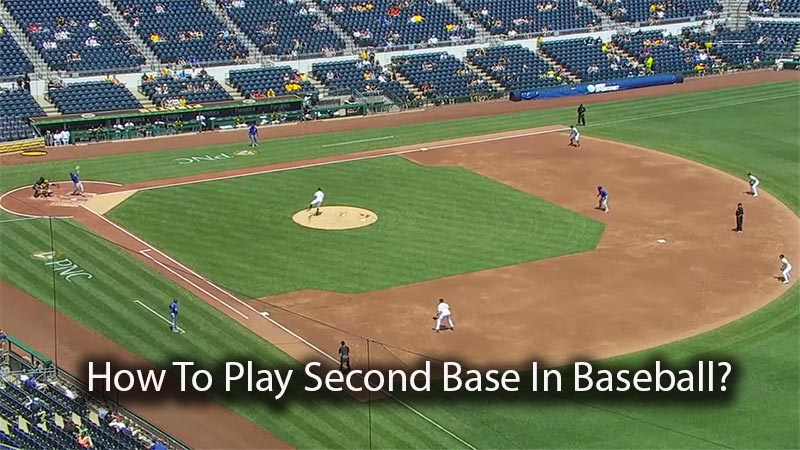
Playing second base is an active and fun role in baseball. It takes quick feet, fast hands, and smart choices. A second baseman must stay alert on every pitch.
Young players often start at second base. The throw to first base is shorter than it is from third base or shortstop. Still, playing second base well takes a lot of skill.
A second baseman has many jobs. They must move into the right spot before each pitch. They help turn double plays. They cover bases when a runner tries to steal. They also act as a cutoff player on throws from the outfield.
Good second basemen talk with their team. They must know where to go when the ball is hit. They also need to know where the runners are. Quick choices can stop a run or help the team get an out.
To play second base well, you need good basic skills and a clear plan. You must know how to field the ball, make a fast throw, cover the bag, and work with the shortstop.
Pre-Pitch Readiness and Situational Positioning
Good defense starts before the pitch. A second baseman must be ready before the ball is hit. Good body position helps you move fast. Good field position also helps you reach more balls.
The Athletic Pre-Pitch Stance
Do not stand still before the pitch. Stay loose and ready to move. Your stance should help you move fast in any way.
- Lower Body: Bend your knees and keep your hips low. Keep your weight on the balls of your feet. Do not stand too tall. A low stance helps you move fast when the ball is hit.
- Hands and Glove: Keep your hands in front of you. Keep your glove open and ready. Hold your hands near chest height. This helps you react to line drives. It also helps you field low ground balls.
- Pre-Pitch Steps: Take two small steps as the pitcher starts the throw. Stay light on your feet. These steps keep your body in motion. You will be ready to move as soon as the ball is hit.
Standard Positioning and Hitter Adjustments
A second baseman has a short throw to first base. This means you can play a bit deeper. You may stand near the back of the infield dirt. You can also play near the edge of the grass.
- No Runners on Base: Start about halfway between first and second base. Play near the edge of the outfield grass. Stay ready to move in both ways.
- Right-Handed Batter: Move two or three steps toward second base. This can help you cover balls hit up the middle. Stay ready to move back toward first if needed.
- Left-Handed Batter: Move two or three steps toward first base. Many left-handed hitters pull the ball to this side. This spot can help you reach more ground balls. It can also help the first baseman.
Good defense starts with being ready. Stay low, stay light, and watch the hitter. Small moves before the pitch can make the next play much easier.
The following positioning matrix outlines standard depth and situational shifts for key game scenarios:
| Game Scenario | Base Runner Status | Primary Depth | Lateral Alignment | Core Defensive Priority |
|---|---|---|---|---|
| Standard Setup | Bases Empty | Edge of Outfield Grass | Halfway between 1B & 2B | Maximize lateral range and secure routine outs. |
| Double Play Depth | Runner on 1st Base | 2–3 Steps In from Grass | 2–3 Steps Closer to 2B | Shorten travel distance to 2B for a quick pivot. |
| Infield-In Depth | Runner on 3rd Base (Late Game) | On the Grass Line | Halfway between 1B & 2B | Cut off the winning or tying run at home plate. |
| Steal Defense (Righty Batter) | Runner on 1st Base | Double Play Depth | Mandated Bag Coverage | Cover 2nd base on the steal attempt. |
| Steal Defense (Lefty Batter) | Runner on 1st Base | Double Play Depth | Shifted Toward 1B | Back up 2B while shortstop covers the bag. |
Double Play Depth and Infield-In Execution
Game play can change fast. A second baseman must be ready to move with it. Two key setups to learn are double play depth and infield-in depth.
Double Play Depth
Use double play depth when there is a runner on first and fewer than two outs. Move two or three steps closer to second base. Then move two or three steps toward home plate.
This spot makes it much easier to cover second base fast. You can get there in time to take a throw from the shortstop or third baseman. This move does leave more space between first and second base. Still, it can help the team turn a quick double play.
Infield-In Setup
The infield may move in when a runner is on third, and there are fewer than two outs. This is often done in a close game. Move up near the edge of the grass. The goal is to stop the runner from scoring on a ground ball.
If the ball comes to you, use these steps:
- Check the Runner: Look at the runner on third. If they stay there, make a strong throw to first for the out.
- Throw Home: If the runner goes home, make a quick throw to the catcher. Keep the throw low and easy to catch.
- Start a Rundown: The runner may stop between third and home. If this happens, run at the runner with the ball. Make them move back toward third. Then throw the ball to a teammate ahead of them.
Positioning Tips for New Players
New players may find it easier to play a bit deeper. Take one or two extra steps toward the outfield grass. This gives you more time to see the ball and read its bounce.
The extra space can also help you get your feet set. Then you can field the ball, move your hands, and make a clean throw. As you gain more skill, you can change your depth based on the hitter and game situation.
Fielding Mechanics and Ball Handling
Good fielding starts with quick feet, a low stance, and soft hands. A second baseman should move to the ball and make a fast, clean throw.
Move Toward the Ball
Do not stand still and wait for a ground ball. Move toward it with control.
- Get a Good Hop: Move toward the ball and try to field an easy hop. Catch it as it comes up or near the top of its bounce.
- Stay in Front: Keep your body in front of the ball when you can. Field it near the middle of your body or a bit to your right. This helps you get set for a throw to first or second base.
Glove Choice and Hand Drills
Every second counts in the infield. A quick move from glove to hand can help you get the runner out.
- Use a Smaller Glove: Many second basemen use an 11.25- to 11.5-inch glove. A small glove can make it easier to get the ball out fast.
- Work on Soft Hands: Use a tennis ball to practice short hops with your bare hands. Keep your fingers soft as you catch the ball. Bring the ball to your chest at once. From there, you can get set and make a quick throw.
These simple habits can help you field the ball with more control and make faster throws.
Turning the Double Play: Footwork, Feeds, and Target Elevation

The double play is one of the best tools for an infielder. A second baseman needs quick feet and good timing. The footwork can change based on when you reach the base.
Left-Foot Anchor Method
Use this method when you get to second base before the ball.
- Get Set: Reach the base early. Put your left foot on the back edge of the bag. Bend your knees. Keep your hands up and give your teammate a clear target.
- Catch and Step: Catch the ball and step toward the outfield with your right foot. This puts you in a good spot to throw.
- Move Away: Step forward with your left foot. Get out of the runner’s path. Then make a quick throw to first base.
Step-Through Method
Use this method when you reach the base at the same time as the ball. It works well on hard-hit balls and late throws.
- Step on the Base: Run to second and place your left foot on the bag. Catch the ball as you move.
- Step Through: Push off your left foot. Step forward with your right foot. Move toward the outfield side of the base.
- Throw the Ball: Move the ball from your glove to your hand near chest level. Make a quick throw to first. Keep moving so you stay clear of the runner.
Target and Underhand Toss
A good feed can make the double play much easier.
- Keep Your Hands Up: Hold your hands near chest level when you wait for the ball. This gives your teammate a clear target. It also helps you catch and throw the ball fast.
- Use an Underhand Toss: Use a short underhand toss when you field the ball close to second base. Start the toss near the inside of your right knee. Keep your wrist firm. Keep your glove open. Finish the toss toward your teammate’s chest.
A short and firm toss is easy to catch. It also helps your teammate make a fast throw to first.
Base Coverage, Steal Defense, and Pickoff Strategies
A good second baseman is always ready to move. They should not stand still during a live pitch. They must know when to cover a base, help a teammate, or hold a runner close.
Follow the Ball
A simple rule can help with field movement. When the ball is hit, move toward the play or toward the base that needs help.
- Ball Hit to the Left Side: If the ball goes to third base or shortstop, move to second base. Be ready to take a throw, make a tag, or help back up the play.
- Ball Hit to First Base: If the first baseman gets the ball, move toward first to help. You may also need to cover second, based on where the play goes.
Covering Second on a Steal
The shortstop and second baseman must know who will cover second base when a runner tries to steal.
- Right-Handed Batter: The second baseman will often cover second. As the pitch is thrown, move fast to the bag and get ready for the catcher’s throw.
- Left-Handed Batter: The shortstop will often cover second. This lets the second baseman stay in place in case the batter hits the ball to the right side.
The two fielders should agree on the plan before the pitch.
Holding a Runner at Second Base
A runner at second should not get a large lead. A big lead can make it much easier to steal third. The second baseman can move toward the runner or use short fake moves. This can make the runner move back toward the bag. Once the pitcher starts the pitch, move back to your normal field spot.
Pickoff Plays
The pitcher and middle infielders can also use planned plays to pick off a runner at second.
Open-Palm Signal
Stay near the runner and watch for the right time to move. Then break toward second base. Show an open glove to the pitcher as you move. This is the sign for the pitcher to turn and throw to second. Catch the ball and make a quick tag.
Countdown Play
This play is planned before the game. When the pitcher comes set, start a short count in your head. For example, count two seconds.
At the end of the count, run hard toward second base. The pitcher makes the throw at the planned time. Catch the ball and place a quick tag on the runner.
Good timing is key. The pitcher and fielder must use the same count so the throw reaches the bag at the right time.
Outfield Cutoffs, Relays, and Defensive Rotations