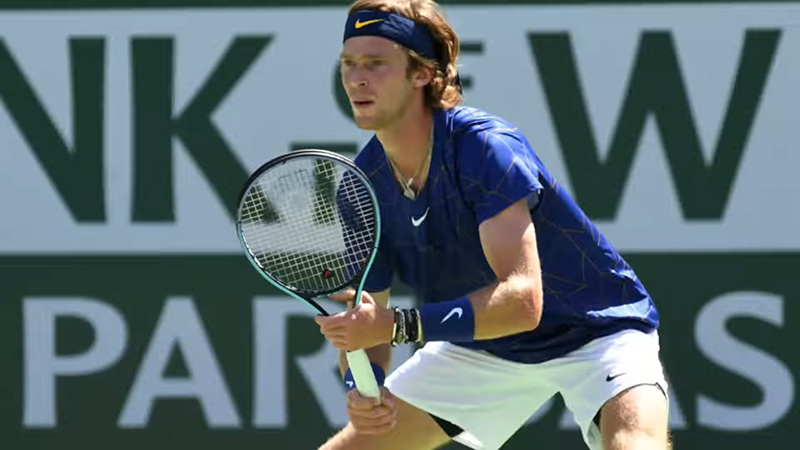
The difference between a club-level player and a dominant competitor often boils down to a single moment: the middle of the third set.
While both players may possess identical groundstrokes, the athlete who has mastered the science of stamina and endurance is the one who remains technically sound while their opponent begins to “flag”.
Traditional advice often suggests simply “playing more” or “going for a run,” but sports physiology reveals that tennis-specific fitness is a multi-dimensional discipline.
To excel, you must train the body to handle a high-intensity, stop-and-go environment that demands explosive power and rapid recovery.
This guide provides a comprehensive framework for building a match-ready engine, drawing on advanced physiological research and proven on-court strategies.
Understanding the Physiological Demands of the Court
To improve, one must first understand what the body undergoes during a match. Tennis is an intermittent sport characterized by short bursts of maximum effort followed by brief recovery periods.
A typical match involves 300 to 500 high-intensity efforts, with rallies averaging 5 to 10 seconds and rest periods limited to approximately 20 seconds.
Research confirms that during intense play, blood lactate levels can rise to 9 mmol per litre, and heart rates can average 144.6 beats per minute over nearly 90 minutes of play. This highlights a critical reality: tennis requires a sophisticated interplay of three distinct energy systems.
- The ATP-PCr System: This powers the first 4 to 10 seconds of explosive activity, such as a serve or a sudden sprint to a drop shot.
- The Anaerobic Glycolytic System: This supports sustained intense efforts lasting up to two or three minutes, essentially the fuel for grueling, multi-shot baseline rallies.
- The Aerobic Oxidative System: While tennis “looks” anaerobic, the aerobic system is the “engine” that operates over the full duration of a match—sometimes exceeding four hours. Its primary role is to replenish energy stores and clear metabolic waste between points and during changeovers.
A player with an underdeveloped aerobic base clears lactic acid more slowly, meaning they arrive at each subsequent point more fatigued than the last.
1: Building a Superior Aerobic Base
While long-distance running is a common starting point, it is often insufficient on its own because it lacks the multi-directional specificity of the sport.
However, a solid aerobic foundation is essential for oxygen delivery and recovery speed.
The Strategy:
- Moderate Intensity Cardio: Engage in 20 to 30 minutes of continuous activity such as cycling, swimming, or jogging 2 to 3 times per week.
- The Talking Test: Maintain a pace where you can still speak comfortably; this ensures you are building the cardiovascular capacity to lower your heart rate quickly between points.
- Low-Impact Alternatives: For players concerned about joint health, rowing or elliptical intervals provide excellent conditioning without the heavy impact of pavement running.
Expanding your aerobic capacity allows you to maintain consistent energy throughout the match and reduces the risk of fatigue-related injuries.
2: High-Intensity Interval Training (HIIT) and Match Mimicry
The most effective way to build match-specific stamina is through HIIT structured around real tennis work-to-rest ratios. Generic sprints are useful, but on-court drills that replicate match movement patterns are superior because they develop the specific neuromuscular pathways required for competition.
The “1:2 to 1:5” Rule: Sports physiology suggests that training intervals should mirror match structures.
- Anaerobic Point Simulation: Perform 15 to 30 seconds of high-intensity work followed by 20 to 30 seconds of rest.
- Drill Examples:
- Spider Runs: Start at the center of the baseline and sprint to the corners, the net, and the T, returning to the center after every touch.
- Ghosting: Perform shadow swings while moving corner to corner for 30 seconds, replicating the intensity of a point without the ball.
- Agility Ladders: Use these to improve foot speed and coordination even when the body is under significant physical stress.
Research has shown that HIIT training can improve VO2max by up to 10.28% in relatively short training blocks of six to twelve weeks.
3: Strength, Power, and the Kinetic Chain
Muscle fatigue, particularly in the core and lower body, is a primary reason players lose their technical edge late in a match.
When the legs tire, the “80/20 rule” takes effect: 80% of points are decided by unforced errors, and these errors skyrocket when movement becomes sluggish.
Developing Explosive Power: Plyometric training—exercises like jump squats, lateral bounds, and split-step simulations—builds the “first-step” explosiveness that prevents you from being caught flat-footed.
- Single-Leg Strength: Tennis is fundamentally a “one-legged sport” during movement. Incorporate split squats, lunges, and single-leg step-ups to build the stability needed for quick changes of direction.
- Core and Rotational Power: A strong core acts as the link between your legs and your racket. Use medicine ball rotations and planks to ensure you can maintain power on your groundstrokes deep into the third set.
- Injury Prevention: Targeted strength training for the shoulders (rotator cuff) and back is essential for managing the asymmetric demands of the sport, which can otherwise lead to muscle imbalances and “tennis syndrome”.
4: Movement Efficiency as an Energy Tool
One of the most overlooked aspects of endurance is technical efficiency. Poor movement mechanics act as an “energy tax” on every point.
Research indicates that running while striking a ball costs approximately 10% more energy than running alone; every technical flaw in your swing or footwork increases this cost.
Energy Management Techniques:
- The Split Step: This is the most critical movement in tennis; it readies the muscles for explosive reaction in any direction.
- Footwork Drills: Practicing the side shuffle, diagonal sprint, and recovery step ensures you arrive at the ball with better balance and less residual fatigue.
- Technique Mastery: Efficient strokes require less muscular effort. Players who work on their mechanics often find their “endurance” improves simply because they are burning less fuel per shot.
5: The Recovery Protocol (Sleep, Nutrition, and Hormones)
Training only provides the stimulus for improvement; the actual adaptation happens during recovery. Without disciplined rest, you risk chronically elevated cortisol levels, which can lead to persistent fatigue and muscle weakness.
The Recovery Framework:
- Sleep: A minimum of 8 hours of sleep is required for hormonal recovery and the neurological consolidation of the motor skills practiced during training.
- Hydration and Cortisol: Even mild dehydration—as little as 1.5% of body weight—is associated with a significant spike in cortisol. This adds a hormonal stress burden to your physical fatigue, impairing performance from the first point.
- Nutritional Fueling:
- Pre-Match: Consume complex carbohydrates (like oats or brown rice) 2 to 3 hours before play to fuel your energy systems.
- Post-Match: Protein intake within 30 to 60 minutes of finishing a session supports muscle repair.
- Intra-Match: Use electrolyte replacement to maintain energy, especially in humid or high-intensity conditions.
The Mental Dimension of Endurance
Endurance is not just physical; it is psychological. High-pressure environments increase nervous tension, which can drain energy significantly faster than physical exertion alone.
Hormonal Responses to Competition: Tennis can temporarily increase testosterone levels during a match, particularly among winners who evaluate their performance positively.
Conversely, overtraining or a high-pressure culture can lead to a decreased testosterone-to-cortisol ratio, a sign of physiological exhaustion.
Managing “nervous energy” through concentration and composure—the “5 C’s” of tennis—is essential for preserving your physical tank.
Enhanced FAQ: Solving Common Endurance Hurdles
Q: Why do I get tired even though I run regularly?
A: Steady-state running primarily trains the aerobic system for continuous moderate effort. Tennis, however, demands repeated anaerobic bursts.
If you aren’t incorporating interval training that mimics the 300 to 500 high-intensity efforts of a match, your body won’t be conditioned for the specific “stop-and-go” stress of the court.
Q: Can I improve my stamina if I don’t have access to a gym?
A: Yes. On-court drills are actually more effective for tennis-specific fitness than gym-based cardio. Use multi-directional sprints, “ghosting” shadow swings, and bodyweight plyometrics like jump squats to build the necessary power and endurance right on the court.
Q: At what age does endurance naturally start to decline?
A: Most recreational players notice a decline in recovery and explosive power in their late 30s or early 40s. However, tennis is a remarkable lifelong sport; regular play gain players an average of 9.7 additional years of life compared to sedentary peers.
Consistent training significantly slows the age-related decline of VO2max and maintains bone density and reaction time.
Q: What are the “warning signs” that I am overtraining?
A: Look for the “10 Warning Signs of High Cortisol,” which include persistent fatigue, difficulty sleeping despite being exhausted, an elevated resting heart rate, and increased irritability or poor concentration during play.
Summary Training Framework Table
| Method | Focus | Typical Structure | Frequency |
|---|---|---|---|
| Aerobic Base | Oxygen delivery & recovery | 20-30 min moderate cardio (cycling/jogging) | 2-3x per week |
| Tennis HIIT | Point-simulation stamina | 15-50s work / 20-30s rest; on-court movement | 2-3x per week |
| Plyometrics | Explosive first step | Jump squats, lateral bounds, 3-4 sets | 2x per week |
| Strength Training | Power & injury prevention | Lunges, core, shoulder stability | 2x per week |
| Recovery | Adaptation & balance | 8+ hours sleep; electrolyte replacement | Daily |
Conclusion: Working Smarter to Outlast the Competition
Building elite tennis endurance is not a matter of simply “working harder.” It requires a sophisticated, data-driven approach that balances aerobic conditioning, interval-based intensity, and technical efficiency.
By treating recovery with the same discipline as your on-court sessions and structuring your training to mimic the actual demands of a match, you ensure that when the third set arrives, you are the one moving with purpose while your opponent is just trying to catch their breath.
Ready to elevate your game? Focus on the specific rhythms of the court, prioritize your “engine” through smart intervals, and never underestimate the power of a disciplined recovery protocol. Your best tennis is waiting for you in the final set.