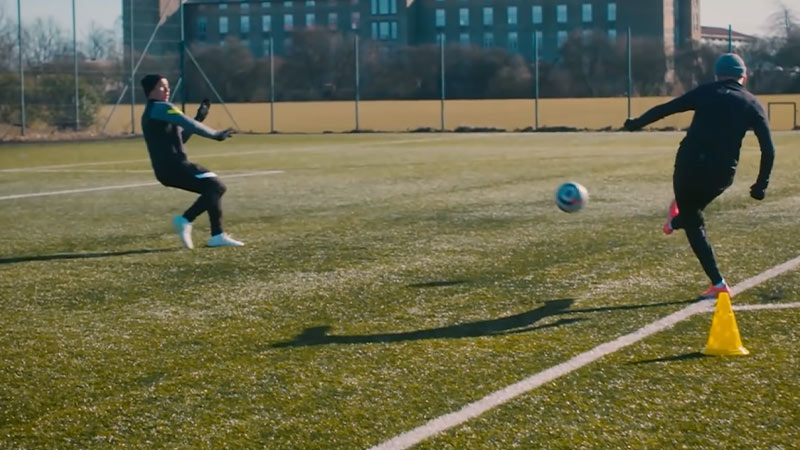
Does playing soccer actually increase your height? It is a question asked by millions of aspiring athletes and parents worldwide.
While the short answer is that soccer does not fundamentally alter your genetic code, the relationship between the beautiful game and physical development is complex.
Understanding how high-intensity training, hormonal responses, and lifestyle choices intersect with your biological potential is crucial.
This guide explores the scientific reality of soccer’s impact on stature, debunking common myths while highlighting how the sport helps you reach your maximum physical peak before growth plates permanently close.
Decoding the Genetics of Stature
To understand if soccer influences height, we must first look at the biological foundation of human growth. Height is primarily determined by internal factors that are set long before a player steps onto the pitch.
The 60% to 80% Genetic Ceiling
Scientific research consistently indicates that genetics account for roughly 60% to 80% of an individual’s final adult height. This means that the majority of your stature is predetermined by the DNA inherited from your parents.
If both parents are of average height, it is statistically likely that the child will follow a similar trajectory. Soccer cannot override these genetic instructions; it cannot turn a person with a “short” genetic blueprint into a giant.
Maximizing the Environmental Window
While genetics provide the blueprint, environmental factors—often called “nurture”—determine whether you actually reach that genetic ceiling. This is where soccer plays a pivotal role.
The remaining 20% to 40% of height potential is influenced by nutrition, health, and physical activity.
For a developing child, engaging in a demanding sport like soccer ensures that the body is sufficiently challenged to reach its maximum programmed length.
Without proper stimulation and health, an individual might end up shorter than their genetic potential would have allowed.
How High-Intensity Play Stimulates Growth
Soccer is a sport defined by explosive movements. These physical demands create a biological environment that is highly favorable for skeletal development during the formative years.
The Pituitary Response and HGH
One of the most significant ways soccer influences growth is through hormonal stimulation. High-intensity activities, such as the frequent sprinting and jumping required in a match, stimulate the pituitary gland.
This gland is responsible for releasing Human Growth Hormone (HGH), which is the primary driver for bone and muscle development in children and adolescents.
By regularly engaging in “burst” exercises, soccer players maintain higher circulating levels of HGH, providing the necessary chemical signals for the body to expand and strengthen.
Bone Density and Structural Integrity
The repeated impacts associated with running, kicking, and jumping are not detrimental; rather, they are essential for bone health. In soccer, these physical stresses increase bone mineralization and strength.
This process, known as Wolff’s Law, states that bones will adapt to the loads under which they are placed. For a young athlete, this means the skeletal system becomes more robust.
While this primarily increases bone thickness and density, it provides the solid structural foundation required for healthy vertical growth.
Posture and the Perception of Stature
Sometimes, soccer makes a person appear taller without actually increasing the length of their bones. This is a result of the functional strength developed through consistent training.
Core Stability and Spinal Alignment
Soccer requires immense core strength to balance during high-speed turns and physical duels. This development of the abdominal and back muscles leads to improved posture.
Many non-athletes suffer from “functional height loss” due to slouching or poor spinal alignment. By strengthening the core, soccer players are more likely to stand with an upright, neutral spine.
This correction of posture can make an individual look significantly taller by preventing the “shortening” effect of a hunched back.
Functional vs. Biological Height
It is important to distinguish between looking taller and being biologically longer. While the sport improves your “standing height” through better alignment, the biological length of the femur or tibia remains governed by the growth plates.
However, for most people, the practical result of looking taller and more confident is just as valuable as a few extra millimeters of bone growth.
Professional Trends and Selection Bias
When we look at professional leagues, the players often seem exceptionally tall. This creates a public perception that the sport itself causes this height, but the reality is more nuanced.
The Reality of Selection Bias
The idea that soccer makes people tall is often a result of selection bias rather than biological causation. In professional soccer, coaches and scouts frequently select for height, particularly for specific positions.
A tall goalkeeper or center-back has a natural advantage in aerial duels. Therefore, it isn’t that soccer made these players tall; it is that tall individuals were more likely to be recruited and succeed in the professional ranks.
Global Height Benchmarks in Soccer
Data from professional leagues shows a clear trend of increasing height among elite athletes. The following table illustrates how professional players compare to the general population:
| Category | Average Height / Trend |
|---|---|
| Average Premier League Player | ~182 cm (5′ 11.9″) |
| Global Male Average | ~180 cm (5′ 11″) |
| Global Female Average | ~168 cm (5′ 6″) |
| Historical Growth Trend | Increase of ~1 cm per decade since the 1970s |
Table data indicates that professional athletes consistently sit above the global average, reflecting both better nutrition and selective recruitment.
The Hard Stop: When Growing Ends
There is a definitive window of time during which soccer can influence your stature. Once this window closes, no amount of exercise can trigger further height.
Epiphyseal Plates and Maturity
The key to growth lies in the epiphyseal plates, commonly known as growth plates, located at the ends of long bones. During childhood and puberty, these plates are “open” and consist of developing cartilage that eventually hardens into bone.
Once these plates close—typically in the late teens or early 20s—vertical growth stops entirely. Soccer played after this point will improve muscle tone and cardiovascular health but will have zero impact on skeletal length.
The Adult Athlete Perspective
For adult players, the focus shifts from growth to maintenance. While you can no longer get “taller” in the biological sense, the postural benefits of soccer remain relevant.
Maintaining a strong core and flexible spine can help adults retain their maximum height as they age, preventing the natural compression of spinal discs that often leads to height loss in later life.
Optimizing Growth Through the Athlete Lifestyle
Beyond the physical movements on the field, the “athlete lifestyle” associated with soccer provides the necessary fuel for growth.
Nutritional Support for Skeletal Health
Being an athlete often necessitates a focus on better nutrition. To support the energy demands of soccer, players must consume adequate calories and micronutrients.
Calcium and Vitamin D are essential for bone mineralization, while protein provides the building blocks for the HGH-stimulated muscle and bone tissues.
By following a structured athletic diet, players ensure their bodies have the raw materials needed to reach their 80% genetic potential.
The Critical Role of Deep Sleep
Recovery is when the actual growing happens. The Human Growth Hormone stimulated during a soccer match is primarily released in large pulses during deep sleep.
Athletes tend to require more sleep to recover from training, and this increased sleep duration and quality directly support the growth process.
A consistent soccer schedule helps regulate the circadian rhythm, ensuring that the “nurture” side of the height equation is fully optimized.
Frequently Asked Questions
Can soccer stunt your growth?
There is no scientific evidence that soccer stunts growth. Unlike sports with extreme weight-cutting or repetitive high-impact spinal loading (like certain types of heavy powerlifting at a very young age), soccer is a healthy, aerobic sport that supports skeletal development.
Are there specific positions that make you taller?
No position “makes” you taller, but tall players are often funneled into roles like Goalkeeper or Center-Back. This is a tactical choice by coaches to utilize the player’s existing reach and height.
What is the best age to play soccer for growth?
The most impactful time is during the “growth spurt” years of puberty (typically ages 10-16). This is when HGH stimulation and impact loading have the greatest effect on the open growth plates.
Conclusion: Maximizing Your Physical Potential
In summary, while soccer is not a magical solution for increasing height beyond your genetic blueprint, it is one of the most effective ways to ensure you reach your maximum potential height.
Through the release of growth hormones, the strengthening of bones, and the perfection of posture, the sport provides a holistic environment for physical excellence.
If you are a young athlete or a parent, focus on the sport for its incredible health benefits, its ability to build a robust skeletal system, and the discipline it instills.
You may not be able to change your DNA, but by playing the beautiful game, you can ensure that you stand as tall and as strong as your genetics allow.