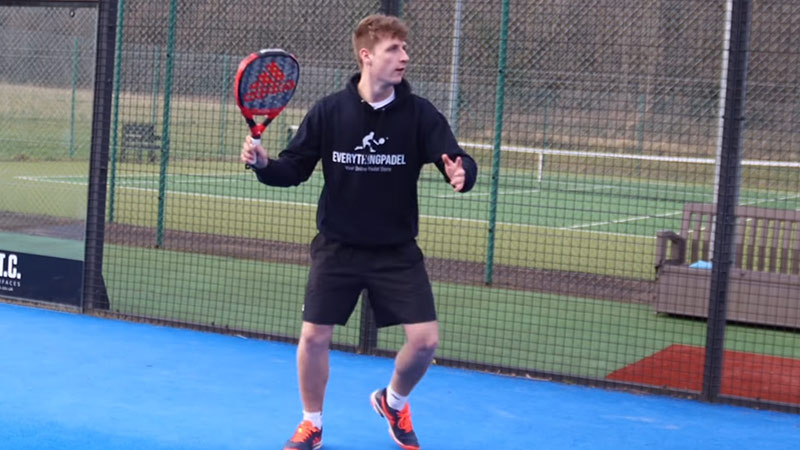
Padel is often described as the energetic child of tennis and squash, but that description only scratches the surface of why 25 million people globally have fallen in love with it.
While the net and the rackets might remind you of traditional court games, the four walls surrounding the 20×10 meter court transform the experience into something entirely different.
If you are coming from a tennis background, your first instinct when a ball passes you is to concede the point. In padel, that is exactly when the fun begins.
The perimeter of the court is not just a boundary; it is an active participant in every rally. Understanding how to use these walls is the single most important factor in transitioning from a beginner to a strategic player.
The Perimeter Rules: Understanding the Hybrid Court
At its core, padel is played on a court that is essentially a 10×10 meter square for each team, separated by a net.
The enclosure is a combination of 3-meter-high transparent glass (or concrete) walls at the back and sides, topped with an additional meter of wire mesh. These materials behave differently, and knowing which one the ball will hit is a vital skill.
The Bounce Foundation
The most fundamental rule of padel wall play is the “bounce first” requirement. To keep a point alive, any shot coming from your opponent must strike the turf on your side before it touches the glass or the wire cage.
If a ball hits your back glass directly without bouncing on the ground first, the shot is out, and you win the point.
This creates a unique tactical environment. While you want to hit the ball deep to pressure your opponents, you must ensure it has enough “dip” to find the floor before it finds the glass.
The Rebound Strategy
Once the ball has bounced correctly on your side, it remains live even after it strikes the glass or the wire fence. This is where the squash influence becomes apparent. You are permitted to let the ball hit the back glass and then return it over the net on the rebound.
New players often panic when they see a ball heading for the back of the court. However, seasoned players know that the glass is actually an ally. When a ball hits the glass, it loses speed, effectively giving you more time to prepare your return.
Instead of rushing to hit a difficult ball as it passes you, you can wait for it to bounce off the back wall, watch it decelerate, and then choose a controlled, tactical response.
Offensive Wall Play: The “Own-Wall” Advantage
One of the most surprising rules for newcomers is the ability to use your own back wall to make a play. In a moment of defensive desperation, you are legally allowed to hit the ball against your own glass to propel it back over the net to the opponent’s side.
This “own-wall” hit is a lifesaver when you are caught out of position or when a ball has passed you too quickly to swing forward. However, there is a catch: you can only use the glass for this maneuver.
Hitting the ball against your own metal wire fence (the cage) to get it over the net is not allowed and will result in a lost point.
Mastering the “Cage”: Unpredictability and Service Rules
The wire mesh, often called the cage, adds a layer of chaos to the game. Unlike the glass, which provides a predictable and consistent rebound, the mesh is irregular.
A ball hitting the cage can shoot off at an awkward angle, drop dead, or bounce sideways, making it nearly impossible for an opponent to anticipate.
Tactical Use of the Mesh
During a rally, aiming for the side mesh on your opponent’s side is a high-level strategy. If you can force the ball to bounce on their floor and then strike the wire fence, you create a defensive nightmare. The unpredictable nature of the rebound often leaves the receiving team scrambling.
The Service Exception
While the cage is a weapon during rallies, it is a liability during the serve. A padel serve is always underarm and must be hit into the diagonal service box. If the ball bounces in the correct box and then hits the glass, the point continues.
However, if the serve bounces and then hits the wire cage, it is considered a fault. This distinction is crucial for maintaining the flow of the game and preventing “unreturnable” serves from dominating the sport.
Positioning for Maximum Efficiency
Because the walls are such a major part of the game, your positioning must account for them. If you stand too close to the glass, you won’t have room to swing when the ball rebounds. If you stand too far forward, you’ll find yourself constantly being lobbed.
The “sweet spot” for defensive play is generally one step behind the service line and two steps away from the side wall. This position allows you to cover the middle of the court while remaining close enough to the back and side glass to handle rebounds comfortably.
At the net, the strategy shifts. You want to stay about two to three steps back from the net cord. Standing too close makes you vulnerable to lobs that will bounce deep and hit the back wall, forcing you to sprint the entire length of the court to recover.
By staying slightly back, you can intercept most volleys while still being in a position to retreat if the ball goes over your head.
The Professional Standard: Equipment and Endurance
As padel continues to grow, with professional tours like Premier Padel showcasing elite talents like Alejandro Galán and Beatriz González, the physical demands of the sport are becoming better understood.
The constant pivoting, lunging, and change of direction required to play off the walls put significant stress on the body, particularly the Achilles tendons. This is why experts emphasize using footwear designed specifically for padel.
Unlike standard tennis shoes, padel-specific shoes provide the cushioning and grip patterns necessary for the unique movements of “the cage”.
Enhanced FAQ: Navigating the Complexities of the Enclosure
Can the ball bounce on my side and then hit the glass wall?
Absolutely. This is a core tactical element of the game. After the ball bounces on your turf, it can hit the glass or the mesh before you return it. You just have to make sure you hit it before it bounces on the ground a second time.
What happens if a smash bounces and then flies out of the court?
Padel rules allow for incredible “out-of-bounds” recoveries. If a ball bounces in the court and then goes over the wall or through an open door, the point is still live. You can actually run through the side doors to return the ball from outside the court and keep the rally going.
Is the scoring different because of the walls?
The scoring system is largely identical to tennis (15, 30, 40, and game). Matches are typically best of three sets. However, a new “Star Point” rule was introduced for 2026 to increase drama.
After two standard advantages at deuce (40-40), a single decisive point is played where the receiving team chooses the side for the return.
How do I know if a shot is “in” during a fast rally?
The golden rule: did it hit the floor first? If the ball hits the glass or the mesh before it touches the ground on your opponent’s side, it is out. If it hits the floor first and then the wall, it is in.
Conclusion: Embrace the Enclosure
Padel is not a game of sheer power; it is a game of geometry, patience, and environmental awareness. The walls aren’t there to limit you; they are there to provide second chances and tactical opportunities that tennis simply cannot offer.
By mastering the mechanics of the rebound, understanding the difference between the glass and the cage, and positioning yourself to use the court’s perimeter to your advantage, you move from playing in a box to playing with it.
Next time you’re on the court, don’t fear the glass—let the ball come to you, wait for the deceleration, and use the unique physics of padel to control the game.
Ready to test your skills? Whether you are aiming for the local club ladder or watching the pros on the Premier Padel circuit, remember that in this sport, the wall is your greatest ally. Tighten your laces, grab your perforated racket, and get ready to play the angles.