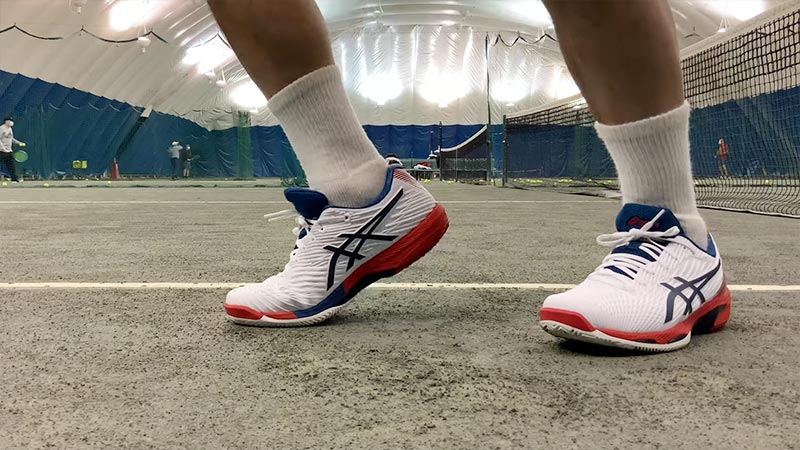
The decision to step onto a tennis court involves more than just picking up a racket and a pressurized can of balls.
For many newcomers, the most immediate question is whether their current athletic gear is sufficient for the task. Specifically, can you play tennis in your everyday running or walking shoes?
While it may be tempting to utilize existing footwear, the technical requirements of tennis demand a specialized approach to equipment.
Understanding the fundamental differences in shoe construction is not merely a matter of style; it is a critical factor in performance optimization and, more importantly, injury prevention.
The Biomechanics of the Court
The primary reason specialized footwear is required stems from the way a player moves during a match.
Standard running and walking shoes are engineered specifically for linear, forward motion. Their construction prioritizes heel-to-toe transitions and impact absorption during a repetitive, straight-line stride.
Tennis, conversely, is a sport defined by multi-directional agility. A player must be capable of sudden sprints, immediate stops, and constant lateral (side-to-side) shuffling.
Because running shoes are built for forward momentum, they often lack the structural integrity to handle these sideways forces.
Using a shoe designed for the track on a tennis court significantly increases the risk of the foot sliding off the footbed, which can lead to a rolled ankle or a dangerous fall.
Engineering for Lateral Stability
The defining characteristic of a true tennis shoe is its focus on lateral support. These shoes are built with a stiffer, notably wider base.
This design choice is intentional: a wider platform provides a stable foundation that keeps the foot flat and secure when a player pushes off forcefully to reach a wide shot.
In contrast to the thick, cushioned heels found in high-end running shoes, tennis footwear features a low-profile sole. By keeping the foot closer to the ground, these shoes lower the player’s center of gravity.
This proximity to the court surface improves balance and allows for more precise movement, ensuring that the player feels connected to the ground during high-intensity rallies.
Durability and the “Toe Drag”
Another area where standard athletic shoes fail is in their physical durability against the abrasive nature of the court. Tennis involves unique footwork patterns, such as the “toe drag” often seen during a serve or a defensive stretch.
To combat the friction generated by these movements, tennis shoes incorporate a “wrap” of tough rubber around the toe area.
This reinforcement prevents the upper material from tearing—a common occurrence when non-specialized shoes are used on hard surfaces. This added protection ensures that the investment in footwear lasts through a full season of play.
The Surface Variable: Matching Your Sole to the Environment
The type of court you play on dictates the specific tread pattern required for safety and performance. A “one-size-fits-all” approach to outsoles does not exist in professional-grade tennis equipment.
- Hard Courts: These are the most common surfaces and are the most taxing on footwear. Because the surface is unforgiving and abrasive, players require outsoles with extreme durability. Leading brands such as Adidas and Asics are frequently cited as top-tier choices for those who primarily play on hard courts.
- Clay Courts: Playing on clay requires the ability to slide into shots in a controlled manner. To achieve this, clay-specific shoes utilize a “herringbone” or zigzag tread pattern. This unique design is engineered to grip the loose dirt for traction during a sprint while simultaneously allowing for a smooth, predictable slide when coming to a stop.
- Grass Courts: Perhaps the most specialized of all surfaces, grass can become incredibly slippery. Footwear for grass courts features small rubber nubs on the outsole. These nubs act similarly to cleats, providing the necessary traction to prevent slipping on the grass blades.
Acceptable Alternatives and Critical Warnings
If you are a complete beginner and are not yet ready to commit to a dedicated pair of tennis-specific shoes, there are temporary alternatives that offer a baseline level of safety.
Basketball shoes and cross-trainers are considered acceptable substitutes in a pinch. Both categories of footwear are designed to support multi-directional movement and provide the lateral stability that running shoes lack.
While they may be heavier or less breathable than a dedicated tennis shoe, they will provide the necessary ankle protection for a casual hit.
However, the warning against running shoes remains absolute. Under no circumstances should they be worn for competitive or high-intensity tennis.
The height of the heel and the lack of side-to-side reinforcement make them a liability for any athlete looking to maintain their health on the court.
A Professional Checklist for Selecting Your First Pair
When you are ready to transition into a proper tennis shoe, consider the following criteria to ensure you are making a high-quality selection:
- Weight vs. Stability: Heavier shoes often provide more stability and durability, while lighter shoes prioritize speed. Determine your playing style before choosing.
- Upper Material: Look for synthetic materials or leather blends that provide a “lock-down” feel. Mesh is great for breathability but should be reinforced in high-wear areas.
- Outsole Guarantee: Many high-performance shoes come with a six-month outsole durability guarantee, which is a hallmark of a quality product.
- The “Break-In” Period: Unlike running shoes, which should feel comfortable immediately, tennis shoes can be stiff out of the box due to the lateral reinforcements. Give them a few sessions to mold to your feet.
Frequently Asked Questions
Can I wear my tennis shoes for running?
It is not recommended. Just as running shoes lack lateral support, tennis shoes are often too stiff and heavy for the repetitive forward motion of long-distance running. This could lead to discomfort or shin splints.
How often should I replace my tennis shoes?
Even if the upper looks clean, the internal cushioning and lateral support structures break down over time. For frequent players (2-3 times a week), a new pair every 4 to 6 months is standard to maintain optimal safety.
Do brands matter for beginners?
Established brands like Adidas and Asics have invested heavily in the research and development of court-specific technology. Starting with a recognized brand ensures that the shoe meets the basic mechanical requirements for the sport.
Conclusion: Prioritizing Your Foundation
In the landscape of tennis equipment, the racket often receives the most attention. However, your footwear is the only piece of equipment that directly impacts your physical safety and your ability to move efficiently across the court.
Investing in a pair of shoes with a stiff, wide base and surface-appropriate tread is not just about playing better; it is about ensuring you can continue to play for years to come.
Whether you are sliding on the red clay of a local club or sprinting across a neighborhood hard court, your foundation determines your success.
Choose the right gear, protect your ankles, and approach the game with the confidence that specialized engineering provides.