In the modern landscape of global football, few narratives are as compelling as the rise of a “sporting dynasty.”
While individual talent is often celebrated in isolation, the most sustainable success frequently emerges from a high-performance ecosystem—a family environment where discipline, tactical intelligence, and physical excellence are part of the daily fabric.
At the center of this current conversation is Désiré Doué, a player whose meteoric rise is inextricably linked to a complex and rich multicultural background.
Understanding the trajectory of Désiré Doué requires more than just a statistical analysis of his performance on the pitch.
To truly grasp the “Doué phenomenon,” one must examine the intersection of his French and Ivorian heritage, the diverse professional paths of his immediate family, and the broader network of elite athletes that share his name.
The Foundation: Parents and Dual Nationality
The core of Désiré Doué’s identity is defined by a dual-continental heritage that has become increasingly common—and advantageous—in the elite tiers of European football.
Born in France, Doué was raised in a household that blended the cultural and sporting traditions of both Europe and West Africa.
His father is Ivorian, and his mother is French. This parental union granted him dual French and Ivorian nationality from birth, a factor that carries significant weight in the geopolitical sporting landscape.
For an athlete of his caliber, dual nationality is not merely a legal status; it represents a synthesis of two distinct footballing philosophies.
France is globally recognized for its rigorous tactical schooling and world-class academies, while the Ivory Coast has a storied history of producing players with exceptional physical presence, creativity, and a relentless competitive spirit.
For Doué, this heritage provided the best of both worlds. He was able to develop his technical skills within the structured French system while carrying the proud athletic legacy of his Ivorian roots.
The Tale of Two Nations: A Family Divided by Allegiance
One of the most fascinating aspects of the Doué family is how this dual nationality has manifested in the professional choices of its members.
While Désiré and his brother, Guéla Doué, share the same upbringing and heritage, their international careers have taken divergent paths.
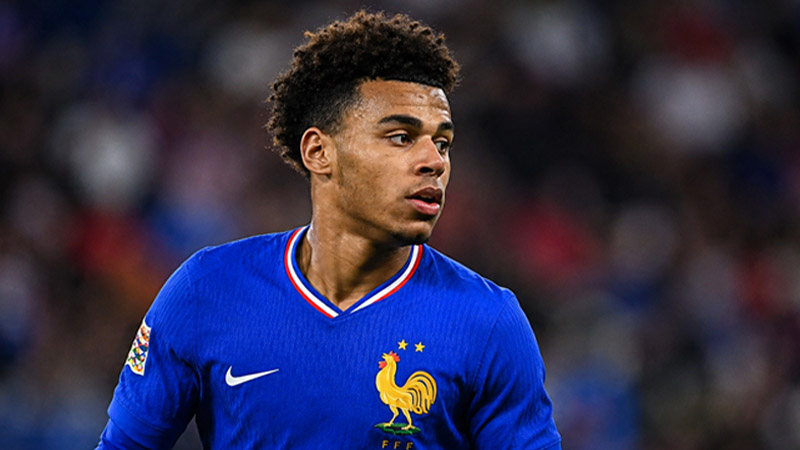
Désiré Doué has chosen to represent France on the international stage. In doing so, he joins a long tradition of dual-national players who have opted to wear the blue of Les Bleus, contributing to the nation’s status as a perennial powerhouse. His decision reflects a commitment to the system in which he was primarily trained and developed.
In contrast, his older brother, Guéla Doué—also a professional footballer of high standing—has chosen to represent the Ivory Coast. This divergence highlights the personal nature of international allegiance.
Guéla’s decision to play for the “Elephants” honors his father’s homeland and secures his place in the burgeoning future of Ivorian football.
This family dynamic creates a unique situation where two brothers, born of the same parents and raised with the same values, may find themselves on opposite sides of a FIFA World Cup fixture—a testament to the global and multifaceted nature of the modern game.
An Elite Network: The Extended Footballing Lineage
The “Doué Dynasty” extends far beyond the immediate household. The family tree is populated with professional athletes, suggesting a genetic and cultural predisposition toward elite competition.
The success of Désiré and Guéla is mirrored in their extended family, creating a support network of peers who understand the unique pressures of professional sports.
Désiré’s cousins—Yann Gboho, Marc-Olivier Doué, and Eddy Doué—are all established professional footballers.
- Yann Gboho: Known for his versatility and technical prowess, Gboho has made a name for himself in various European leagues, reinforcing the family’s reputation for producing creative talents.
- Marc-Olivier Doué: Contributing to the defensive or midfield stability of his respective clubs, Marc-Olivier represents the physical and tactical discipline inherent in the family line.
- Eddy Doué: Completing the trio of cousins, Eddy further solidifies the family’s presence across the professional tiers of the sport.
When an athlete is surrounded by cousins and siblings all navigating the same industry, the “learning curve” is significantly reduced.
This collective experience serves as an informal academy, where insights on training, recovery, and professional conduct are shared freely.
The Regulatory Perspective: The Influence of Noumandiez Doué
Perhaps the most unique element of Désiré Doué’s background is the presence of an elite official within the family circle. His uncle, Noumandiez Doué, is a former Ivorian international referee.
In a sport where the relationship between players and officials is often adversarial, having a top-tier referee as a mentor provides a distinct competitive advantage.
Noumandiez Doué’s experience at the highest levels of international officiating offers Désiré a deep understanding of the “Laws of the Game” that most players lack.
This influence likely contributes to Désiré’s tactical discipline and his ability to navigate high-pressure situations on the pitch without falling foul of officiating nuances.
Understanding the game through the eyes of the person holding the whistle adds a layer of psychological maturity to a young player’s profile.
Strategic Analysis: Why the Doué Background Matters for Success
From a professional scouting and development standpoint, the Doué family provides a blueprint for what constitutes a “high-probability” prospect. Several factors contribute to why this background is a harbinger of long-term success:
- Cultural Synthesis: The ability to move between French and Ivorian cultural contexts fosters adaptability, a crucial trait for players who must integrate into various club environments across Europe.
- Shared Intelligence: The density of professional players in the family means that “footballing IQ” is a conversational staple. This accelerates the mental development of young players like Désiré.
- Support Systems: The pressures of fame and high-stakes performance are easier to manage when the family unit has already successfully navigated those waters.
- Physical and Mental Resilience: The combination of West African athletic traits and European tactical training creates a “hybrid” athlete capable of meeting the physical demands of modern, high-intensity football.
Frequently Asked Questions: Understanding the Doué Heritage
What is Désiré Doué’s nationality?
Désiré Doué holds dual nationality, being both a French and an Ivorian citizen. He was born in France to an Ivorian father and a French mother.
Which national team does Désiré Doué play for?
Despite his dual nationality, Désiré Doué currently represents France at the international level.
Is Guéla Doué related to Désiré Doué?
Yes, Guéla Doué is Désiré’s older brother. He is also a professional footballer but has chosen to represent the Ivory Coast internationally.
Are there other professional athletes in the Doué family?
Yes, the family has a significant sporting pedigree. His cousins Yann Gboho, Marc-Olivier Doué, and Eddy Doué are all professional footballers. Additionally, his uncle Noumandiez Doué was a prominent international referee.
Conclusion: A Legacy in the Making
Désiré Doué is more than just a talented young player; he is the latest representative of a profound sporting legacy.
His parents’ diverse backgrounds provided the foundation for a multicultural identity that has allowed him to thrive in the elite world of French football.
With a brother representing the Ivory Coast, cousins playing across Europe, and an uncle who reached the pinnacle of international officiating, Désiré is part of a footballing ecosystem designed for excellence.
As he continues to develop, his story remains a powerful example of how heritage, family support, and a culture of professional discipline can converge to create a truly world-class athlete.
The Doué name is already a fixture in the professional ranks, and with Désiré’s current trajectory, it is destined to become a permanent part of footballing history.