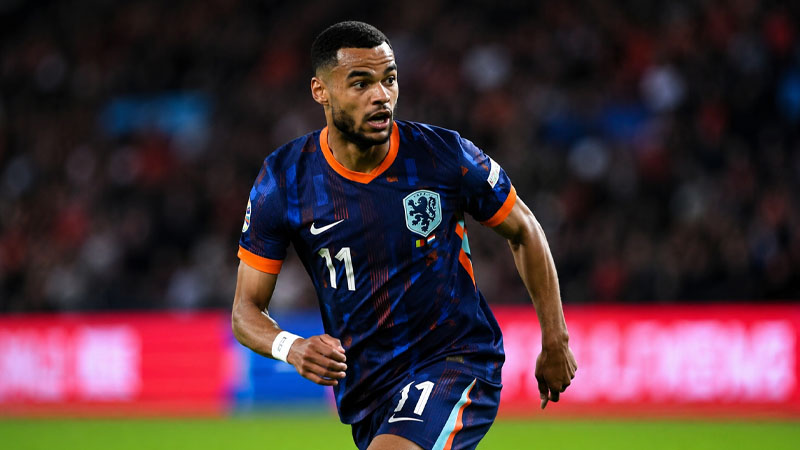
Cody Gakpo represents the face of modern, multicultural football, standing as a testament to the beautiful blending of cultures in the high-stakes world of the elite sport.
Born and raised in Eindhoven, Gakpo is a celebrated figure in the Netherlands, yet his identity is deeply anchored in a rich, multi-continental narrative.
Understanding his background requires looking beyond his Dutch nationality to the roots that connect him to West Africa.
This exploration of his lineage reveals a story of athletic excellence, cultural pride, and a family history that spans from the Ewe-speaking regions of Togo and Ghana to the sporting fields of Europe.
Understanding Cody Gakpo’s Multi-Ethnic Background
Cody Gakpo is a man of mixed ethnicity, a factor that has played a significant role in shaping his worldview and his professional identity.
While he is a Dutch citizen by birth, his genetic and cultural map is far more expansive, bridging the gap between Northern Europe and the West African coast.
This dual identity is common among top-tier European footballers, but Gakpo’s specific blend of Togolese, Ghanaian, and Dutch ancestry offers a unique perspective on his rise to stardom.
The West African Connection: Togo and Ghana
Gakpo’s paternal lineage is the primary driver of his African heritage. His father, Johnny Gakpo, was born in Togo but carries significant Ghanaian ancestry.
This specific regional connection is vital because it links the footballer to the Ewe people, an ethnic group known for its rich oral traditions and distinct linguistic history.
In Togo and Ghana, family identity is paramount, and the “Gakpo” name itself carries the weight of this heritage.
By acknowledging these roots, Gakpo honors a lineage that is celebrated for its resilience and cultural depth, providing him with a sense of belonging that extends far beyond the borders of the Netherlands.
The Dutch Foundation: A Life in Eindhoven
Despite his deep ties to West Africa, Gakpo’s immediate surroundings and formative years were entirely Dutch. Growing up in Eindhoven, he was immersed in a culture known for its innovation and sporting passion.
This environment allowed him to develop his skills within the world-renowned Dutch football academy system, specifically at PSV Eindhoven.
His Dutch heritage comes through his mother, a native of the Netherlands, ensuring that he grew up with a balanced understanding of both his European and African identities.
This local foundation provided the stability and resources necessary for him to evolve into one of the most clinical attackers in world football today.
The Role of His Parents in Shaping His Identity
The narrative of Gakpo’s ethnicity cannot be fully understood without a detailed look at his parents, Johnny and Ank Gakpo. They provided the dual pillars of athletic discipline and cultural awareness that defined his childhood.
Their home was a place where two distinct worlds met, creating a nurturing environment for a future international athlete.
Johnny Gakpo: Togolese Roots and Footballing Eligibility
Johnny Gakpo’s influence on Cody is profound, particularly regarding his connection to Africa. Because Johnny was born in Togo and possesses Ghanaian roots, Cody was technically eligible to represent either Togo or Ghana on the international stage.
Johnny’s journey from West Africa to the Netherlands is a story of migration that reflects the globalized nature of modern society.
He ensured that Cody stayed connected to his roots, fostering a sense of pride that remains evident today, as Cody frequently visits his extended family in Togo to maintain those vital ancestral bonds.
Ank Gakpo: A Legacy of Dutch Athleticism
While much of the public curiosity surrounds Cody’s African roots, his mother, Ank Gakpo, provides the essential Dutch athletic pedigree.
Ank was a former international rugby player for the Netherlands, a fact that highlights the high level of physical competition present in the household.
Her background in professional sports likely instilled in Cody the discipline, work ethic, and competitive spirit required to succeed at the highest levels of football.
As a white Dutch woman with a deep history in the national sporting scene, she represents the European half of Cody’s identity, balancing the cultural scales of his upbringing.
Linguistic and Cultural Markers: The Gakpo Name
A person’s name often serves as the most immediate indicator of their heritage, and in the case of the Liverpool and Netherlands star, the name “Gakpo” tells a story of linguistic tradition and regional identity.
| Aspect of Identity | Details and Significance |
|---|---|
| Surname Origin | Derived from the Ewe language. |
| Linguistic Region | Spoken primarily in Togo and Ghana. |
| Cultural Meaning | Reflects paternal ancestry and regional belonging in West Africa. |
| Family Connection | Links Cody directly to his father’s Togolese and Ghanaian history. |
The Ewe language is more than just a means of communication; it is a vessel for history and cultural values in West Africa. By carrying this name, Gakpo acts as a global ambassador for a culture that many in Europe might not otherwise encounter.
This linguistic link is a permanent reminder of his father’s journey and the legacy of the Gakpo family in Togo and Ghana.
The Decision of National Identity: Choosing the Oranje
One of the most discussed topics regarding players of mixed ethnicity is their choice of national team. For Gakpo, this decision was a reflection of his personal history and his professional development within the Dutch system.
While he could have opted for a different path, his heart was set on the country of his birth.
Eligibility and the Pull of West Africa
Under FIFA eligibility rules, Gakpo had multiple paths available to him. He could have chosen to lead the attack for Togo or joined the “Black Stars” of Ghana, both of which would have welcomed a player of his caliber.
The prospect of representing his father’s homeland was undoubtedly a significant consideration, especially given the pride he takes in his African heritage.
However, the international footballing landscape is complex, and players often choose the nation where they feel the strongest connection through their daily lives and professional training.
Representing the Netherlands with Pride
Ultimately, Gakpo chose to represent the Netherlands, the country where he was born and where he developed his craft. This choice does not diminish his African heritage; rather, it highlights his identity as a modern Dutchman.
Since making his debut, he has become a focal point of the “Oranje” attack, proving that his multicultural background is an asset to the team.
His performance on the pitch is a tribute to both his Dutch training and the athletic genes inherited from his Togolese/Ghanaian father and Dutch mother.
Maintaining the Connection: Life Beyond the Pitch
Identity is not just about where you are born or which flag you play under; it is about the actions you take to honor your history.
Gakpo has been very vocal about the importance of his roots, ensuring that his success in Europe benefits and celebrates his family’s origin.
Frequent Visits to Togo
One of the most telling signs of Gakpo’s commitment to his heritage is his habit of visiting family in Togo. These visits are not merely vacations but are essential trips to reconnect with his paternal relatives and the culture of his father.
These experiences ground him, providing a perspective that many players who are disconnected from their ancestry might lack.
By walking the streets where his father was born, Gakpo maintains a tangible link to his past that informs his character as a man and an athlete.
A Role Model for Multicultural Youth
Gakpo’s visibility as a high-profile player of mixed ethnicity makes him a powerful role model. He demonstrates that it is possible to be fully integrated into European society while remaining deeply proud of African roots.
For young athletes in the Netherlands and across the globe who share similar backgrounds, Gakpo’s story is one of empowerment. He proves that ethnicity is not a barrier but a multifaceted foundation upon which a world-class career can be built.
Frequently Asked Questions About Cody Gakpo’s Identity
What is Cody Gakpo’s nationality?
He is a Dutch national, born and raised in Eindhoven.
Where is his father from?
His father, Johnny, was born in Togo and has Ghanaian ancestry.
What is his mother’s background?
His mother, Ank, is a white Dutch woman and a former international rugby player.
Which African languages are associated with his name?
The name “Gakpo” is from the Ewe language, spoken in Togo and Ghana.
Could he have played for an African national team?
Yes, he was eligible for both Togo and Ghana through his father.
Conclusion: A Symbol of Modern Multicultural Football
Cody Gakpo’s ethnicity is a compelling blend of Dutch and West African elements that has shaped him into the individual he is today.
By embracing both his mother’s Dutch athletic legacy and his father’s Togolese and Ghanaian roots, Gakpo embodies a globalized identity that is becoming increasingly common in the world of professional sports.
He is not just a footballer representing the Netherlands; he is a bridge between continents and a proud carrier of the Ewe heritage.
His story serves as a reminder that identity is multifaceted and that one can remain deeply connected to ancestral roots while thriving in a different cultural environment.
As Gakpo continues to excel on the world stage, his background will remain a key part of his narrative, inspiring others to take pride in their own diverse histories.
Whether he is scoring goals in the Premier League or visiting his family in Togo, Cody Gakpo remains a true citizen of the world.