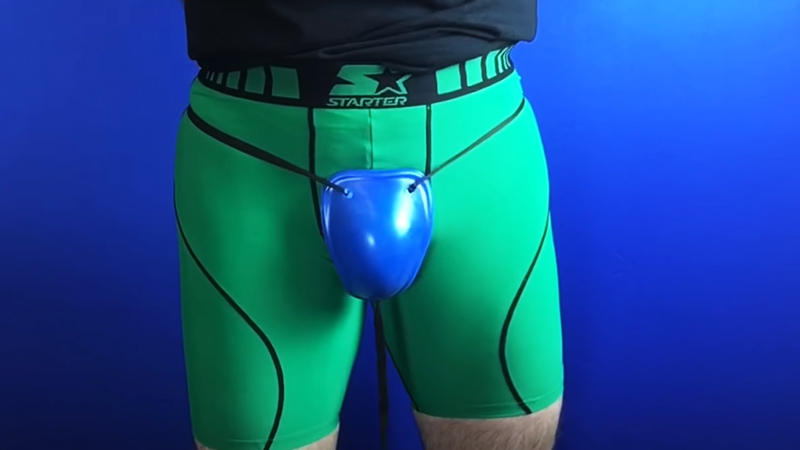
When it comes to high-impact sports, protective gear is non-negotiable. Whether you are stepping onto a soccer field, a baseball diamond, or entering a martial arts ring, protecting your groin is one of the most critical health decisions you will make.
For decades, the traditional jockstrap has been the universal standard for holding an athletic cup in place. However, as athletic wear has evolved, many modern athletes are asking a practical question: Can you wear a protective cup without a traditional jockstrap?
The short answer is yes. You can absolutely wear an athletic cup without a traditional jockstrap.
Thanks to advancements in athletic apparel, gear designers have developed alternative systems—such as specialized compression shorts, sliding shorts, and strap-integrated guards—that offer equivalent or even superior security.
But simply throwing a cup inside any pair of athletic shorts is a recipe for disaster. Groin protection requires absolute precision.
A misplaced cup is not just uncomfortable; it can lead to catastrophic physical injuries. To help you navigate modern protective gear safely, this comprehensive guide breaks down the alternative options to a jockstrap, the mechanics of a proper fit, the critical safety hazards of an improper setup, and how to select the best gear for your specific sport.
The Evolution of Groin Protection: Jockstraps vs. Modern Athletic Wear
To understand how to wear a cup without a jockstrap, we must first look at what the jockstrap actually accomplishes.
The classic jockstrap consists of a wide elastic waistband, a protective pouch to hold the cup, and two elastic leg straps that run under the glutes. This minimal design has a single purpose: retention.
Keeping the protective cup pressed firmly against the lower abdomen and pelvic bone ensures that any oncoming impact is transferred directly to the sturdy skeletal system rather than the sensitive soft tissues.
While highly functional, the classic jockstrap has several drawbacks that lead athletes to seek alternatives:
- Chafing and Discomfort: The thin elastic leg bands of a traditional jockstrap can rub against the inner thighs during lateral movements, causing painful chafing over long training sessions.
- Minimal Coverage: Many athletes find the open-back design of a traditional jockstrap uncomfortable or visually outdated, preferring the full coverage of modern athletic underwear.
- Layering Complexity: Wearing a jockstrap under or over regular compression shorts can create a bulky, multi-layered setup that restricts dynamic leg movement.
Fortunately, modern textile engineering has closed the gap. Today’s high-performance athletic wear integrates the retention mechanics of a traditional jockstrap directly into full-coverage shorts, giving athletes the best of both worlds: robust protection and streamlined comfort.
Alternative Options to a Jockstrap
If you decide to ditch the traditional jockstrap, you cannot simply slip a cup into standard underwear or loose clothing.
Doing so offers zero stability, allowing the cup to shift, rotate, or flip on impact. Instead, please use specialized athletic gear designed for cup retention. Below are the four primary modern alternatives:
1. Compression Shorts with Integrated Cup Pockets
Specialized compression shorts feature a built-in inner sleeve or pocket designed to hold the cup securely against the body.
The form-fitting elastane and polyester blend provides uniform compression across the thighs and groin, which naturally keeps the cup tight against your anatomy and prevents shifting during explosive movements.
However, not all cup-pocket compression shorts are created equal. High-quality designs feature a reinforced pocket with dual-mesh layers and heavy stitching to lock the cup in place. Lesser-quality options may allow the cup to float or slide sideways within the pocket, which increases the risk of injury.
2. Sliding Shorts
Widely used in field sports like baseball and softball, sliding shorts are a specialized variation of compression shorts. They include an internal pouch engineered specifically to house an athletic cup.
In addition to cup retention, sliding shorts feature reinforced, padded panels along the sides of the hips and thighs.
This dual design protects the athlete from abrasive “strawberry” burns when sliding into bases, while simultaneously keeping their groin protection perfectly stabilized.
3. Specialty Impact Shorts
Popular in high-contact settings like hockey, lacrosse, and certain martial arts, specialty impact shorts combine a highly secure cup pocket with comprehensive foam or plastic padding. These shorts provide a comprehensive shield for the hips, thighs, and tailbone.
The integrated cup sleeve in impact shorts is typically heavily anchored to the waistband, ensuring that even under severe external pressure, the protective cup remains centered over the pelvic area.
4. Strap-Integrated Groin Guards (The Modern Guard)
Another excellent alternative is a modern, strap-integrated groin guard. Rather than relying on a full jockstrap harness, these systems utilize a dedicated, highly adjustable elastic strap network that anchors the cup directly to your body.
Brands like Lo-Bloo have revolutionized this category by designing ergonomic protection inspired by traditional steel cups. Instead of a cloth pouch, the cup itself is fitted with durable, adjustable elastic cords that wrap around the waist and under the glutes, keeping the shell locked in place with zero shifting during sprints, kicks, and dynamic grappling.
The Critical Dangers of an Improper Cup Setup: Real-World Risks
While wearing a cup without a jockstrap is highly achievable, understanding the mechanics of a safe fit is a matter of physical preservation. The primary goal of any protective system is retention.
If your gear is loose, or if you attempt to wear a cup without a secure, dedicated pocket or strap system, the protective device itself can become the instrument of trauma.
The “Guillotine” Effect
One of the most terrifying and painful hazards in athletics is when a protective cup shifts slightly out of place during movement.
If a cup slides sideways or rides up, the hard, rigid edge of the cup can rest directly over your sensitive anatomy rather than shielding it.
If an impact—such as a kick, a pitch, or a stray ball—strikes a misaligned cup, the rigid edge acts as a blunt blade. Rather than dispersing the force safely across your pelvic bone, the edge of the cup slams directly into your tissue.
Athletes refer to this catastrophic failure as the “guillotine” effect, where the cup itself inflicts severe structural damage, sometimes resulting in emergency surgery or the tragic loss of a testicle.
Real-World Warnings from the Athletic Community
The risks of a poorly secured cup are heavily documented across high-contact disciplines like Muay Thai, cricket, and mixed martial arts:
- The Cricket Field Hazard: Cricket players have suffered permanent, life-altering injuries when a cup shifted inside poorly fitted compression wear during a fast delivery, demonstrating that even non-combat sports require absolute cup security.
- The MMA Pinning Trauma: In mixed martial arts, grappling on the ground poses a unique threat. One athlete recounted a painful ordeal where their cup shifted inside a pair of standard compression shorts, splitting their anatomy in half while an opponent pinned their knee directly onto the misplaced guard. This painful experience prompted an immediate switch back to a dedicated, unyielding jockstrap system.
- The Combat Sports Standard: In martial arts like Muay Thai, where full-force kicks to the groin are a constant hazard, many experienced fighters strongly caution against relying on basic compression shorts with cup pockets. They note that these pockets often fail to sit properly against the body, leading to frequent shifts during high kicks. Instead, they advocate for dedicated, tight elastic strap systems or traditional steel cups secured with heavy laces, which remain the gold standard for absolute groin safety.
How to Choose the Right System for Your Sport?
Your choice of protective gear should match the impact profile of your sport. Different activities subject your body to different angles of force and movement.
For Striking and Combat Sports (Muay Thai, MMA, BJJ)
In combat sports, the threat of multi-directional, high-velocity impacts is constant. Grappling on the ground can twist fabric, while high kicks stretch the groin area.
- Our Recommendation: For maximum safety, opt for a modern strap-integrated steel or heavy-duty plastic cup (like the Lo-Bloo or Diamond MMA systems). These systems hold the cup flush against your body using highly tensioned elastic straps that do not rely on the fabric of your shorts to stay in place.
- The Double-Layer Setup: If you prefer the comfort of compression wear but want the security of a strap, a highly effective strategy is to wear a dedicated jockstrap or strap-anchored cup directly over your skin or base underwear, and then pull a pair of high-quality compression shorts over the top to keep everything compact and streamlined.
For Field and Ball Sports (Baseball, Softball, Hockey, Lacrosse)
In these sports, the primary threat is a front-facing, high-speed impact from a ball, puck, or stick.
- Our Recommendation: High-quality compression shorts or sliding shorts with a reinforced internal cup pocket are highly effective here. Because these sports involve more linear sprinting and sliding rather than extreme hip contortions, a well-engineered compression pocket is generally sufficient to keep the cup centered. Ensure the shorts have a robust waistband to prevent the pocket from sagging over time.
For Court and Running Sports (Basketball, Tennis)
Groin protection is less common in pure running sports, but highly recommended in basketball due to the risk of accidental elbows and knees during rebounds.
- Our Recommendation: Lightweight, highly breathable compression shorts with a snug cup pocket offer the perfect balance of mobility and protection, ensuring you stay agile while maintaining peace of mind.
Best Practices for Fit, Placement, and Safety
Regardless of whether you choose specialized compression shorts or a strap-integrated system, you must follow these universal safety guidelines to guarantee your protection:
Prioritize an Ultra-Snug Fit
The primary mechanism of groin protection is immobilization. The cup must have zero room to wiggle, sag, or slide.
When purchasing compression shorts or straps, select a size that feels incredibly snug without cutting off your circulation. If the fabric stretches or loosens over time, discard the gear immediately and replace it.
Ensure Correct Cup Orientation
Always position the protective cup with the narrow, pointed end facing downward. Your anatomy must fit entirely and comfortably inside the soft, rubberized or padded perimeter of the protective shell. If any part of your tissue spills over the edge, the cup is too small and will cause severe injury upon impact.
Never Use Regular Loose Underwear
It cannot be stressed enough: do not attempt to slip an athletic cup into standard loose boxers, briefs, or loose athletic shorts.
Without a compressed, form-fitting layer to hold the cup flush against your pelvic wall, the cup will immediately slip out of position, tilt sideways, or flip over, leaving you entirely unprotected and highly vulnerable to severe trauma.
Test the Setup Before You Play
Never head onto the field or step into the sparring ring without thoroughly testing your gear. Put on your full setup and perform a series of dynamic movements in the locker room—including deep squats, high knee lifts, lateral lunges, and short sprints.
Ensure the cup moves naturally with your body and does not pinch, dig into your thighs, or slide out of center. If you feel any shifting, stop and adjust the tension before initiating physical contact.
Protect Your Physical Health with the Right Gear
Your physical safety is the single most important factor in your athletic longevity. Ditching the classic jockstrap is completely safe and highly comfortable, provided you do not compromise on the underlying mechanics of retention.
Whether you choose premium compression shorts with an integrated cup pocket, specialized sliding shorts, or a modern strap-integrated groin guard, ensure that your setup is snug, properly oriented, and completely stable.
Never settle for “good enough” when it comes to safeguarding your body. Invest in professional-grade gear, test your fit diligently before every session, and stay protected so you can perform at your absolute best with complete peace of mind.