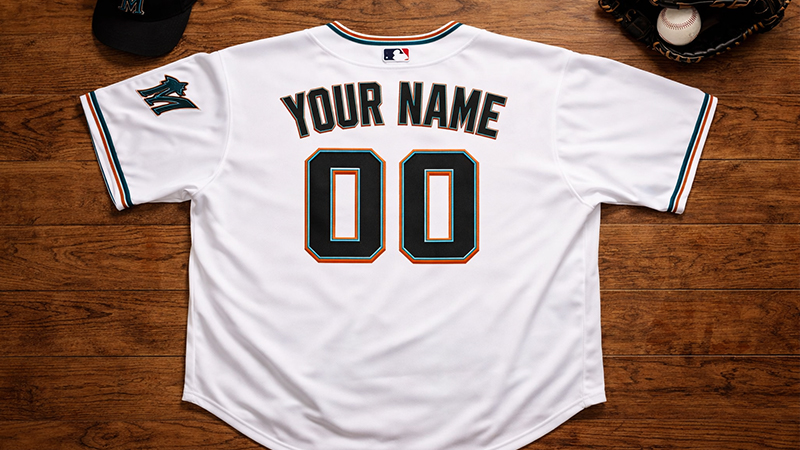
Baseball jerseys represent the pinnacle of team identity, but their traditional “box” cut often leaves fans drowning in excess fabric.
Whether you have acquired an authentic on-field version or a prized vintage piece, the “baggy jersey syndrome” can make even the most expensive apparel look unpolished and oversized.
The good news is that professional tailoring can transform an oversized jersey into a custom-fitted masterpiece.
By leveraging specialized techniques for synthetic, high-performance fabrics, you can achieve a modern, athletic silhouette.
This guide explores the technical feasibility, common alterations, and the critical “no-go” zones of jersey modification to ensure your gear fits as well as it looks.
The Technical Foundation: Why Baseball Jerseys Are Unique
Before stepping into a tailor shop, it is vital to understand the material science behind the garment. Unlike a standard cotton shirt or a wool suit, baseball jerseys are typically constructed from stretchy, synthetic fabrics designed for moisture-wicking and extreme durability.
These materials—often advanced polyesters or spandex blends—require a specific set of tools and skills to modify without causing permanent damage.
A standard sewing machine used for household repairs is often insufficient for this task. Professional tailors who specialize in sports apparel use specialized needles, such as ball-point or stretch needles, which are designed to pass between the fabric fibers rather than piercing and tearing them.
Additionally, the use of a serger (or overlock machine) is non-negotiable for high-quality results. A serger allows the seams to remain flexible, preventing the thread from snapping when the fabric is stretched during wear.
Without these tools, you run a high risk of the fabric puckering or the seams failing shortly after the alteration.
Feasible Alterations: Redefining Your Silhouette
For most fans, the goal of tailoring is to reduce the bulk in oversized jerseys and create a more proportional look. There are three primary areas where a professional tailor can make significant, effective changes.
1. Tapering the Waist and Chest
The most impactful change is slimming the sides of the jersey. Authentic jerseys are notoriously “boxy” because they are designed to accommodate layers underneath and provide players with a full range of motion on the field. For casual wear, this results in a “tent-like” appearance.
A tailor can “take in” the jersey starting from the underarm and tapering down the side seams to the hem. This adjustment removes the unnecessary width, creating a slim-fit or athletic-cut look that aligns with modern fashion standards while maintaining the jersey’s original aesthetic.
2. Adjusting the Overall Length
Because professional jerseys are intended to be tucked into baseball pants, they are often significantly longer than a standard shirt.
When worn untucked, they can dwarf the wearer’s frame. Shortening the length is a straightforward and highly effective alteration.
A tailor can hem the bottom to a length that is proportional to your height. It is important to communicate whether you want to maintain the original “scoop” (shirttail) hem or if you prefer a straight-across cut, as this affects how the jersey drapes over your hips.
3. Modifying the Sleeves
Oversized jerseys often come with wide, billowing sleeves that create a “winged” effect. Taking in the sleeves is a standard procedure that pairs well with slimming the sides.
By narrowing the sleeve circumference, the tailor ensures that the jersey hugs the arms more closely. This prevents the fabric from flapping and contributes to a more streamlined, custom-tailored appearance.
The “No-Go” Zone: The Complexity of the Shoulders
While many parts of the jersey are customizable, there is one area where even the most skilled experts exercise extreme caution. Altering the shoulders of a baseball jersey is generally not recommended.
The shoulder and armhole geometry represent the most complex part of a jersey’s construction. To move a shoulder seam, a tailor must essentially deconstruct the entire upper third of the garment.
This process is difficult and often unfeasible because it changes the size of the armhole, which then requires the sleeve itself to be completely reshaped.
If these measurements are off by even a fraction of an inch, the jersey will fit poorly, leading to awkward pulling across the chest or unsightly bunching in the back.
Expert Tip: When shopping for a jersey you plan to tailor, always ensure the shoulders fit your frame correctly. If the shoulders fit, the waist, length, and sleeves can almost always be adjusted. If the shoulders are inches too wide, no amount of tailoring will make the garment look natural.
The Economic Reality: Cost vs. Reward
Tailoring is an artisanal service, and working with technical sports fabrics increases the labor intensity. Before proceeding, you must consider the cost-benefit ratio. Extensive tailoring can be expensive, sometimes costing as much as purchasing a brand-new, better-fitting jersey.
You should weigh the tailor’s fee against several factors:
- Sentimental Value: If the jersey is a family heirloom or a gift, the cost is often irrelevant compared to the value of being able to wear it.
- Rarity: If you have a vintage or limited-edition jersey that is no longer in production, tailoring is your only path to a perfect fit.
- Initial Investment: If you found an authentic $300 jersey on a clearance rack for $50, spending $60 on tailoring still results in a massive overall saving for a custom-fit authentic piece.
DIY Risks: The Truth About Shrinking
A common question among fans is whether they can skip the tailor and simply “shrink” the jersey in a high-heat wash. If the jersey is only slightly too big, you may be able to shrink it, but this method is highly risky and often yields inconsistent results.
Unlike cotton, which shrinks relatively predictably, the synthetic blends in jerseys may shrink unevenly. You might find the length shortens while the width remains the same, leading to a distorted shape. Furthermore, high heat is the enemy of jersey graphics.
Heat can cause tackle-twill numbers to warp or bubble, and screen-printed logos to crack and peel. For any jersey of value, professional tailoring is the only safe and reliable method for size reduction.
Choosing the Right Professional
To achieve the best possible results, you cannot treat a baseball jersey like a pair of dress slacks. You must visit a tailor with specific experience working with sports apparel or knit fabrics.
These specialists understand the unique behavior of “stretch” materials and possess the industrial-grade sergers and needles required for the job.
The consultation is the most critical part of the process. You should bring the jersey in to have it pinned while you are wearing it.
This allows the tailor to see exactly where the excess fabric is located and how the jersey moves with your body. During this session, be sure to wear the type of clothing (like a t-shirt or hoodie) that you plan to layer under the jersey to ensure the final fit isn’t too restrictive.
Conclusion: Achieving Your Custom Game-Day Look
In the world of sports fashion, fit is everything. While the “one-size-fits-all” approach of many manufacturers leaves much to be desired, you don’t have to settle for a baggy silhouette.
By focusing on feasible alterations like tapering the sides and shortening the length, you can reclaim your style.
Respect the limitations of the shoulder seams and avoid the unpredictable dangers of DIY shrinking. Instead, invest in a specialized tailor who understands synthetic knits and can use the proper equipment to ensure a professional finish.
While the cost may be significant, the result is a one-of-a-kind, custom-fitted jersey that honors your team while perfectly complementing your frame. Your jersey is a statement of your passion—make sure it fits the part.