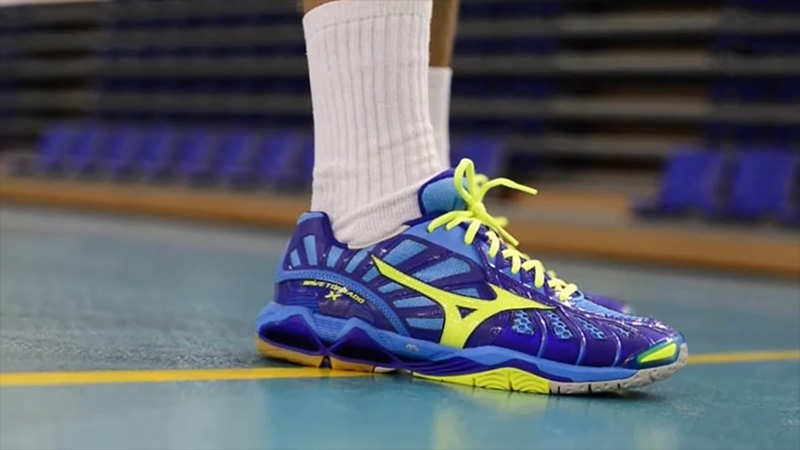
The landscape of athletic performance is often defined by the tools an athlete chooses. In the realm of court sports, a common question arises among enthusiasts and competitive players alike: Can a high-quality tennis shoe serve as a viable option for volleyball?
At a glance, both sports share a similar environment—a rectangular court and a need for rapid movement. However, the architectural requirements of the footwear for these two disciplines are fundamentally distinct.
Using the wrong footwear is not merely a matter of comfort; it is a critical decision that impacts biomechanical efficiency, safety, and long-term joint health.
This analysis explores why tennis shoes are generally unsuitable for the specific demands of volleyball and why investing in sport-specific gear is essential for anyone serious about their performance.
The Misconception of the “Universal Court Shoe”
For many, the term “court shoe” suggests a level of versatility. It implies a shoe designed for hard surfaces, providing stability and non-marking soles. While tennis and volleyball are both played on courts, the surfaces and the movement patterns within those spaces could not be more different.
Tennis shoes are engineered for the grueling demands of abrasive outdoor surfaces, such as hard courts, clay, or grass.
They are built to withstand the friction of constant lateral sliding. In contrast, volleyball is almost exclusively an indoor sport played on polished hardwood or specialized synthetic surfaces.
The footwear must be optimized for this environment, emphasizing grip and vertical displacement rather than the rugged durability required for outdoor tennis.
Biomechanical Demands: Lateral Glide vs. Vertical Explosion
To understand why a tennis shoe fails in a volleyball context, one must look at the primary movement patterns of each sport.
Tennis: The Lateral Game
Tennis is a game of horizontal endurance. Players engage in constant side-to-side sprints, quick pivots, and deep lunges.
Consequently, tennis shoes are designed with heavy-duty lateral support and reinforced outsoles to prevent “roll-over” during a wide baseline rally. The focus is on stabilizing the foot during high-speed horizontal transitions.
Volleyball: The Vertical Game
Volleyball, however, is defined by explosive verticality. Whether it is an outside hitter approaching for a kill or a middle blocker timing a leap at the net, the sport requires repeated, high-velocity jumping.
Volleyball shoes are built to facilitate this “lift-off” and, more importantly, to manage the landing. They prioritize lightweight responsiveness to ensure that the athlete’s foot speed is not compromised.
The Cushioning Gap: Protecting the Kinetic Chain
One of the most significant risks of wearing tennis shoes for volleyball is the lack of appropriate cushioning. The human body acts as a kinetic chain, where the force of impact travels from the feet through the ankles, knees, and hips.
Tennis footwear is designed for lower-impact, ground-level movement. While they offer support, the cushioning is often firmer to provide a better “court feel” for lateral stability.
In volleyball, the impact forces during landing can be several times a player’s body weight. Volleyball shoes feature superior heel and forefoot cushioning specifically engineered to absorb these heavy, repeated shocks.
Without this specialized impact protection, volleyball players using tennis shoes frequently report increased joint pain. Over time, this can lead to chronic conditions such as patellar tendonitis (jumper’s knee) or stress fractures in the feet.
The “stiffness” of a tennis shoe, while beneficial on a tennis court, becomes a liability during the high-impact landings of a volleyball match.
Traction Engineering: The Science of the Stop
Traction is the interface between the athlete and the floor. It determines how quickly a player can react and how safely they can stop.
Volleyball shoes utilize gum-rubber soles. This material is soft and pliable, designed specifically to “bite” into the surface of a wooden indoor court. This provides what is often called “stop-on-a-dime” traction.
This immediate grip is vital for the rapid transitions between defense and offense, such as diving for a dig and immediately returning to a standing position.
Tennis shoes, conversely, use harder rubber compounds designed for durability on abrasive surfaces. On a polished indoor court, these treads often struggle to find purchase. Instead of a sharp, clean stop, a player in tennis shoes may experience a dangerous slide.
This lack of grip not only slows down reaction time but also significantly increases the risk of acute injuries, such as ankle sprains or ligament tears, when the foot slips unexpectedly during a high-intensity play.
Weight, Fatigue, and Reaction Time
In competitive sports, speed is measured in milliseconds. The weight of an athlete’s footwear plays a direct role in their agility and the onset of fatigue.
Tennis shoes are typically heavier and stiffer than their volleyball counterparts. This construction is necessary to endure the constant friction against hard outdoor courts.
However, in the fast-paced environment of the volleyball net, this extra weight acts as an anchor. A heavier shoe can slow down the “twitch” response needed for a quick block or a sudden change in direction.
Furthermore, the added weight increases the metabolic cost of movement. Over a five-set match, the cumulative effect of lifting a heavier shoe thousands of times leads to faster leg fatigue.
As fatigue sets in, form breaks down, and the risk of injury increases. Volleyball shoes are engineered to be as lightweight as possible, allowing for maximum “responsiveness” and sustained energy levels throughout the game.
Audience Insights: Who Needs to Know?
Understanding the distinction in footwear is crucial for several different types of athletes and stakeholders:
- The Multi-Sport Amateur: Many people play multiple sports and look for a single shoe to “do it all.” While a tennis shoe might suffice for a very casual, one-off volleyball game, regular participation requires a shift in gear to prevent injury.
- The Developing Athlete: High school and club players are at a stage where their bodies are still growing. Proper cushioning and support are vital to ensure they don’t develop chronic joint issues that could truncate their athletic careers.
- The Budget-Conscious Parent: It may seem economical to buy one pair of “sneakers” for the year, but the potential medical costs of a preventable ankle or knee injury far outweigh the investment in a dedicated pair of volleyball shoes.
The Long-Term Performance Dividend
Investing in sport-specific footwear is an investment in your longevity as an athlete. When you wear a shoe designed for the vertical and reactive demands of volleyball, you are giving your body the best possible chance to perform at its peak.
- Injury Prevention: By utilizing the correct traction and cushioning, you mitigate the primary risks associated with the sport.
- Skill Enhancement: Proper grip and lighter weight allow you to focus on your technique rather than worrying about slipping or feeling sluggish.
- Confidence on the Court: Knowing your equipment can handle the forces of an explosive jump or a hard cut allows for more aggressive, confident play.
Frequently Asked Questions
Can I wear basketball shoes for volleyball?
Basketball shoes are a closer match to volleyball shoes than tennis shoes are. Both are designed for indoor courts and vertical movement. However, basketball shoes are often bulkier and heavier to provide maximum ankle support for constant running.
While they are a better substitute than tennis shoes, they still lack the extreme lightweight responsiveness found in dedicated volleyball footwear.
How do I know if my shoes are “indoor” or “outdoor”?
The most reliable indicator is the sole material. Indoor-specific shoes, like those for volleyball, almost always feature gum-rubber outsoles (usually a tan or light brown color).
Outdoor shoes have much harder, darker, and more durable rubber designed to withstand asphalt and concrete.
How often should I replace my volleyball shoes?
Even if the outside of the shoe looks fine, the internal cushioning—the foam that protects your joints—breaks down over time. For a competitive player practicing 3–4 times a week, shoes should typically be replaced every 4–6 months to ensure the impact protection remains effective.
Is it okay to wear my volleyball shoes outside?
No. To maintain the “stop-on-a-dime” traction, volleyball shoes should only be worn on indoor courts. Wearing them on sidewalks or pavement will quickly grind down the soft gum rubber and pick up dirt and oils that will make them slippery once you return to the hardwood.
Summary: Choosing Your Path
While the visual similarities between court shoes can be deceiving, the technical reality is clear: tennis shoes are not a suitable long-term choice for volleyball.
The differences in movement patterns—lateral gliding versus vertical explosion—require entirely different engineering approaches.
By choosing a shoe specifically designed for volleyball, you ensure that you have the traction to stop instantly, the cushioning to protect your knees and ankles from heavy landings, and the lightweight design to keep your reaction times sharp.
Whether you are a weekend warrior or a dedicated competitor, your feet are your foundation. Treat them with the specialized care they deserve, and they will support your performance for seasons to come.