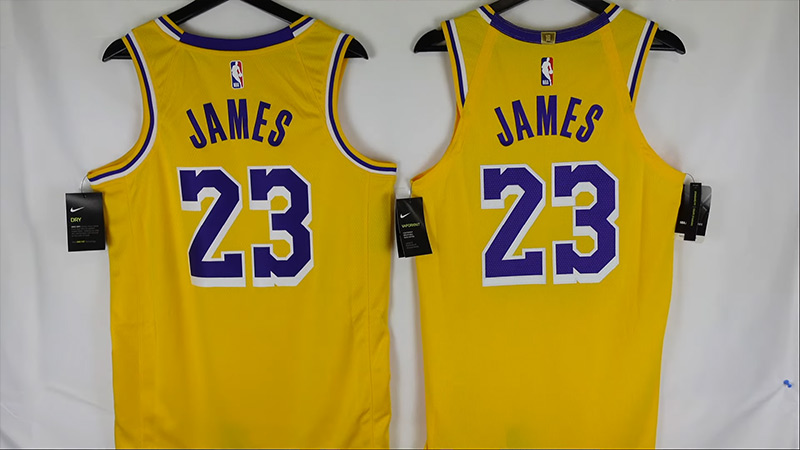
When purchasing an NBA jersey, one fundamental question dominates buyer inquiries: Is this jersey stitched?
For decades, stitched tackle twill lettering and numbers were viewed as the gold standard of basketball apparel. Fans naturally expect that an official, high-priced jersey will feature heavy embroidery and raised thread work similar to what appears on television.
However, modern athletic apparel manufacturing, performance engineering, and product tiering have transformed how fan merchandise is built.
Whether an NBA jersey is stitched depends entirely on the brand, the manufacturing era, and the product tier (Authentic vs. Swingman).
This comprehensive guide breaks down the structural anatomy of modern and retro basketball jerseys, analyzing how stitching is applied across different price points, how to inspect jersey construction, and how to select the right tier for your lifestyle.
The Core Mechanics: Stitched Twill vs. Heat-Applied Graphics
To understand jersey construction, it helps to define the primary manufacturing methods used by major apparel brands.
       [ JERSEY CONSTRUCTION METHODS ]
                      |
        +-------------+-------------+
        |                           |
[ Stitched Twill ]         [ Heat-Applied Graphics ]
  - Multi-layer fabric       - Single-layer vinyl
  - Zig-zag embroidery       - Screen-printed twill
  - Heavy, durable feel      - Lightweight, smooth finish
1. Stitched Tackle Twill
Tackle twill involves cutting polyester fabric into specific shapes—such as numbers, team names, or player lettering—and sewing those pieces directly onto the jersey body using a high-density zig-zag or satin stitch.
- Multi-Layer Twill: On jerseys with multi-colored numbers (such as yellow numbers with white and black outline borders), individual pieces of twill are layered on top of one another and stitched around every edge.
- Direct Embroidery: Used primarily for manufacturer logos, team crests, and championship patches, where thread is woven directly into the base fabric.
2. Heat-Applied & Heat-Sealed Graphics
Heat application uses precision thermal presses to bond synthetic materials onto the garment fabric using heat-activated adhesives.
- Heat-Pressed Vinyl: Thin, flexible film cut into letters and numbers, then pressed onto the garment.
- Screen-Printed Twill: Synthetic twill fabric with color patterns printed onto its surface rather than layered from separate fabric pieces, then heat-bonded to the base material.
- Pre-Stitched / Heat-Sealed Hybrids: A modern technique where twill pieces feature finished perimeter stitching along the edges, but the entire composite panel is heat-sealed onto the jersey rather than sewn through the base fabric.
Nike NBA Jerseys: Authentic vs. Swingman Breakdown
Nike has served as the official on-court uniform provider for the NBA since the 2017–18 season. Nike categorizes its retail jersey offerings into two primary tiers: Authentic and Swingman.
1. Nike Authentic Jerseys (On-Court Grade)
Nike Authentic jerseys are built to the exact specifications worn by professional players on the hardwood.
- Lettering and Numbering Construction: Nike Authentic jerseys utilize multi-layer twill materials for team names and player numbers. However, modern athletic engineering prioritizes weight reduction and player comfort. To prevent heavy thread patterns from irritating a player’s skin during competition, Nike uses an engineered pre-stitched and heat-sealed hybrid application. The outer edges of the twill graphics feature real perimeter stitching, but the numbers and letters are thermally bonded to the engineered mesh fabric.
- Logoman and Sponsor Patches: The iconic NBA Logoman on the upper back and official team sponsor patches are typically rubberized, textured silicone or high-density raised heat transfers with embroidered accent borders.
- Fabric and Cut: Constructed from Nike’s premium Dri-FIT ADV moisture-wicking fabric with an athletic, tailored cut and side-vent hem finishes.
2. Nike Swingman Jerseys (Retail / Mid-Tier)
The Nike Swingman is the most popular retail option, engineered for casual fan wear, everyday comfort, and easy maintenance.
- Lettering and Numbering Construction: Nike Swingman jerseys do not feature sewn or stitched lettering. All team names, player numbers, and player names are constructed from single-layer heat-applied twill or matte vinyl transfers.
- Visual Detailing: To replicate the premium look of multi-layer stitching, Nike prints simulated stitch patterns and color outlines directly onto the single-layer heat-transfer material. From a distance, it resembles layered twill, but close inspection reveals a completely smooth, flat surface.
- Fabric and Cut: Made from double-knit recycled polyester mesh with a standard, relaxed fit suitable for street wear.
Mitchell & Ness Throwbacks: Authentic vs. Swingman
Mitchell & Ness holds the exclusive license to produce retro NBA jerseys under the Hardwood Classics line. Their construction techniques reflect historic uniform designs from the 1970s, 1980s, 1990s, and early 2000s.
1. Mitchell & Ness Authentic Throwbacks
Mitchell & Ness Authentic jerseys are faithful reproductions of historical uniforms, built with traditional heavyweight materials.
- Fully Stitched Construction: These jerseys are 100% stitched. Player names, team wordmarks, and multi-colored numbers are cut from genuine tackle twill and sewn directly into the jersey fabric using heavy zig-zag stitching.
- Layered Twill Details: If a historical team used a three-color number design (e.g., 1990s Chicago Bulls or Philadelphia 76ers), Mitchell & Ness stacks three individual fabric layers and stitches each one down.
- Logos and Jock Tags: The NBA Logoman and commemorative event patches (such as Finals patches or anniversary crests) are fully embroidered directly onto the chest or shoulder.
2. Mitchell & Ness Swingman Throwbacks
Introduced to offer classic throwback designs at a lower price point, Mitchell & Ness Swingman jerseys alter the manufacturing process for cost efficiency.
- Heat-Applied Construction: Mitchell & Ness Swingman jerseys are not stitched.
- Single-Layer Screen-Printed Twill: The graphics consist of single-layer polyester twill pieces pressed onto the jersey. Multi-color borders, stitch details, and shadow effects are printed onto the top surface of the fabric piece rather than built from separate sewn layers.
- Interior Finish: The interior of the garment is completely smooth behind the numbers and letters, with no thread embroidery present.
Historical Uniform Eras: How Stitching Evolved
Understanding how jersey construction changed over time helps when evaluating vintage or pre-owned garments:
| Era & Manufacturer | Replica / Swingman Tier Construction | Authentic / On-Court Tier Construction |
|---|---|---|
| Champion (1990–2002) | Screen-printed ink directly on mesh (no twill) | Fully sewn heavy tackle twill |
| Reebok (2002–2006) | Screen-printed twill & vinyl heat-seals | Fully sewn multi-layer tackle twill |
| Adidas (2006–2017) | Single-layer heat-pressed twill graphics | Revolution 30 mesh-backed lightweight twill |
| Nike (2017–Present) | Heat-applied smooth vinyl / printed twill | Pre-stitched edge twill, heat-bonded panels |
The Flip-Inside-Out Inspection: How to Check Your Garment
If you are unsure whether a jersey in your collection is stitched or heat-pressed, perform these simple tests:
1: The Interior Thread Test
Turn the jersey inside out and examine the back side of the player numbers or team name.
- Stitched Jersey: You will see a distinct pattern of white or color-matched backing thread outlining every letter, number, and crest. On multi-layer authentic throwbacks, the stitching felt on the inside will match the exterior pattern.
- Heat-Pressed Jersey: The interior of the jersey will be completely smooth. You will see only the plain base mesh fabric, with zero thread work visible behind the graphics.
2: The Flexibility and Weight Check
Grasp a number on the back of the garment with both hands and gently flex the fabric.
- Heavy Tackle Twill: Feels rigid, thick, and structured. Multi-layer twill resists easy creasing and holds a firm shape.
- Heat-Applied Vinyl/Twill: Feels thin, lightweight, and highly pliable. It flexes easily alongside the base mesh fabric.
3: The Edge Feel
Run your thumb along the outer perimeter of a number or letter.
- Stitched: You will feel distinct, raised thread ridges along the perimeter of every piece.
- Heat-Pressed: The border feels flat, smooth, and flush with the garment, with no raised thread lines.
Practical Buyer Guide: Which Tier Should You Choose?
Selecting the ideal jersey depends on how you plan to wear and store the item.
                  [ SELECTING YOUR TIER ]
                             |
         +-------------------+-------------------+
         |                                       |
  [ FOR CASUAL WEAR ]                    [ FOR DISPLAY / COLLECTING ]
  - Nike Swingman                        - Nike Authentic
  - Mitchell & Ness Swingman             - Mitchell & Ness Authentic
  - Lightweight, comfortable             - Heavy tackle twill
  - Machine-wash friendly                - Ideal for autographs & framing
Choose an Authentic Tier If:
- You Plan to Frame or Display the Garment: Heavy tackle twill and embroidered patches present a premium, museum-quality appearance under glass.
- You Collect Player Autographs: Permanent markers adhere significantly better to genuine stitched tackle twill than to slick, heat-pressed vinyl surfaces.
- You Want Historical Accuracy: For throwback items, Mitchell & Ness Authentic garments recreate the exact weight, fabric feel, and heavy thread embroidery of past eras.
Choose a Swingman Tier If:
- You Want Everyday Casual Comfort: Single-layer heat-applied graphics make Swingman jerseys lightweight, flexible, and comfortable to wear over t-shirts or hoodies.
- You Plan to Attend Games and Tailgates: Swingman garments offer an attractive balance of visual appeal and reasonable pricing, making them worry-free for active fan environments.
- You Prefer a Standard Retail Fit: Authentic jerseys feature a longer, narrow athletic cut designed for tucking into shorts, whereas Swingman jerseys feature a traditional, relaxed street cut.
Care & Maintenance Instructions
Proper care extends the lifespan of both stitched and heat-applied garments.
- Washing: Always turn the garment inside out before placing it in the washing machine. Wash using cold water on a gentle or delicate cycle. Cold water prevents heat-activated adhesives from weakening and protects colored twill from fading.
- Detergent Selection: Avoid bleach, fabric softeners, or harsh stain removers, as these chemicals dissolve heat-bond adhesives and stiffen embroidered threads.
- Drying Method: Never place a basketball jersey in a heated dryer. High heat causes heat-applied vinyl to peel, crack, or bubble, and it shrinks stitched twill at a different rate than the surrounding mesh, causing ugly puckering around the numbers. Always hang dry or lay flat on a drying rack.
- Wrinkle Removal: Never press a hot iron directly onto jersey graphics. If wrinkles develop, use a handheld garment steamer on the reverse side of the fabric, keeping the steam nozzle moving continuously.
Final Summary
- Nike Authentic: Features pre-stitched multi-layer twill graphics that are thermally sealed to the garment for on-court performance.
- Nike Swingman: Features 100% heat-applied single-layer vinyl or printed twill graphics with zero stitching.
- Mitchell & Ness Authentic: Features 100% traditional multi-layer tackle twill sewn directly into the jersey with full thread backing.
- Mitchell & Ness Swingman: Features single-layer heat-sealed graphics designed to mimic the appearance of retro stitching.
By checking the interior thread backing, inspecting the edge borders, and choosing the appropriate tier for your needs, you can ensure you purchase the exact style, weight, and construction quality you desire.