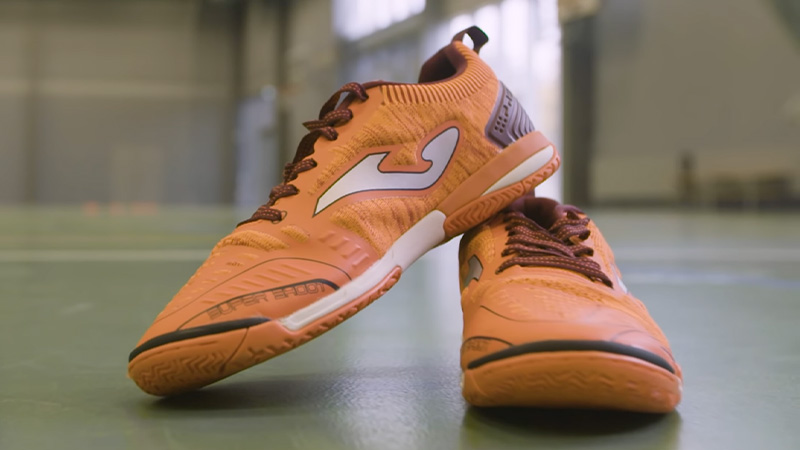
The rise of “terrace fashion” and the resurgence of classic silhouettes like the Adidas Samba have led many to ask: Are indoor soccer shoes good for walking?
While these shoes offer a sleek, low-profile aesthetic that blends seamlessly with modern streetwear, their performance on the sidewalk is significantly different from their performance on the court.
Whether you are a daily commuter or a style enthusiast, understanding the biomechanical trade-offs of wearing futsal shoes for pedestrian activities is essential.
This guide analyzes the structural design of indoor soccer footwear, their impact on foot health, and the practical limits of their durability on urban terrain.
The Evolution of Indoor Soccer Shoes into Lifestyle Staples
Indoor soccer shoes, also known as futsal shoes, were originally engineered for high-intensity movement on polished gym floors or hard courts.
However, in recent years, models such as the Adidas Samba and Nike Streetgato have transced their athletic origins to become global fashion icons.
This shift is largely due to their lightweight construction and the “low-profile” look that complements casual attire better than bulky traditional sneakers.
The Appeal of Lightweight Design
One of the primary reasons users gravitate toward indoor soccer footwear for walking is the weight. These shoes utilize thin, high-quality materials—often leather or synthetic uppers—that provide a “second skin” feel.
This makes them incredibly easy to wear for quick outings or gym sessions where agility is prioritized over heavy padding.
Versatility in Street Fashion
The aesthetic versatility of these shoes cannot be overstated. Because they lack the chunky midsoles of modern running shoes, they offer a streamlined silhouette that pairs perfectly with jeans, chinos, or shorts.
This has transformed them from specialized athletic gear into a “go-to” option for those who value a minimalist look without sacrificing the heritage of a performance brand.
Analyzing the Structural Stability of Futsal Footwear
When evaluating if indoor soccer shoes are good for walking, we must look at the foundation: the sole. These shoes are built with flat, non-marking rubber outsoles.
This specific design choice is intended to maximize surface contact on smooth, hard environments like hardwood or tile.
Performance on Smooth Surfaces
The grip provided by futsal shoes is unparalleled when walking on “indoor” outdoor surfaces. If your daily walk consists of navigating shopping malls, office buildings, or airports, the non-marking rubber offers excellent traction and stability.
The flatness of the sole ensures that your foot remains close to the ground, which can feel more stable for some users compared to high-stack walking shoes.
The Risks of Lateral vs. Forward Motion
A critical technical detail often overlooked is that indoor soccer shoes are engineered for lateral (side-to-side) stability.
In a soccer match, players are constantly pivoting and changing direction. Walking, however, is a repetitive forward-rolling motion.
The stiffness required for lateral support can sometimes feel restrictive during a standard walking gait, as the shoe does not naturally encourage the heel-to-toe transition found in dedicated walking footwear.
The Cushioning Gap: Impact Absorption on Concrete
The most significant drawback to using indoor soccer shoes for long-distance walking is the lack of specialized cushioning. Unlike running or walking shoes, which feature pressurized air, gel, or high-rebound foam, futsal shoes prioritize “court feel”.
Understanding “Court Feel”
For a soccer player, being able to feel the ball and the ground is vital for control and speed. This necessitates a thin midsole. While this is a benefit on the pitch, it becomes a liability on the pavement.
Walking long distances on hard asphalt or concrete without a shock-absorbing layer can lead to significant foot fatigue and increased stress on the ankle and knee joints.
The Long-Term Impact on Joint Health
Repeatedly striking the ground on a thin rubber sole forces your body’s natural structures—your tendons, ligaments, and bones—to absorb the entirety of the impact.
Over time, this lack of protection can contribute to conditions like plantar fasciitis or general soreness in the arches of the feet.
This is why experts generally recommend limiting the use of these shoes to short-term casual wear rather than all-day excursions.
Durability Concerns: The Battle Against Abrasive Surfaces
Another factor to consider is the longevity of the shoe itself. Indoor soccer shoes are designed for controlled environments, and their materials reflect that intent.
Rapid Sole Wear on Asphalt
The rubber compounds used in futsal shoes are typically softer than those found in hiking or heavy-duty walking shoes. While this softness provides the necessary “tackiness” for grip on a gym floor, it is easily decimated by rough outdoor concrete.
Walking on abrasive city streets can tear the rubber and wear the tread thin much faster than expected, effectively “burning through” a pair of expensive shoes in a matter of months.
The Structural Integrity of the Upper
While the leather or synthetic uppers are durable enough for kicking a ball, they are often quite thin to keep the shoe lightweight. Frequent walking causes the shoe to flex at the forefoot thousands of times per day.
Without the reinforced structures found in walking shoes, the upper of an indoor soccer shoe may begin to crack or delaminate prematurely when subjected to the rigors of high-mileage walking.
Comparing Indoor Soccer Shoes to Dedicated Walking Footwear
To help you decide which footwear is appropriate for your daily routine, consider the following technical comparison based on the engineering goals of each shoe type.
| Feature | Indoor Soccer (Futsal) Shoes | Dedicated Walking Shoes |
|---|---|---|
| Primary Engineering Goal | Lateral Stability & Court Feel | Shock Absorption & Forward Gait |
| Cushioning Level | Minimal (Low-profile) | High (Midsole Foams) |
| Sole Construction | Flat, Non-marking Soft Rubber | Contoured, Harder Durable Rubber |
| Grip Environment | Smooth, Polished Surfaces | Varied Terrain (Asphalt, Grass) |
| Typical Fit | Snug/Athletic for Control | Roomy/Anatomic for Swelling |
| Optimal Duration | 2–4 Hours (Casual Use) | 8+ Hours (Continuous Walking) |
The “Snug Fit” Factor and Foot Comfort
Indoor soccer shoes are notorious for their tight, athletic fit. This design is intentional; a snug shoe prevents the foot from sliding inside the footwear, which is crucial for ball control and preventing blisters during high-speed pivots.
Why Tightness Becomes an Issue
When you walk for extended periods, your feet naturally swell. A shoe that feels perfectly snug at the beginning of the day can become painfully tight after three miles of walking.
The narrow toe box common in many futsal models does not allow for the natural “toe splay” that occurs during a healthy walking gait. This can lead to pinched nerves or discomfort in the forefoot.
Choosing the Right Size for Casual Wear
If you intend to wear indoor soccer shoes for walking, many enthusiasts recommend “sizing up” by half a size.
This provides a bit of extra room for the foot to expand during the day, mitigating some of the discomfort associated with the traditional athletic fit. However, even with a larger size, the lack of arch support remains a factor to monitor.
Strategic Use: When to Wear Your Futsal Shoes
Despite the limitations, you don’t have to give up your favorite pair of indoor soccer shoes. The key is understanding the “4-hour rule” for casual wear.
Ideal Scenarios for Futsal Shoes
- Quick Errands: If you are heading to the grocery store or a coffee shop, these shoes are perfectly adequate and provide a stylish edge.
- Office Environments: For those who work in buildings with carpeted or tiled floors, the stability and non-marking soles are highly effective.
- Short Gym Sessions: Their flat soles make them surprisingly good for weightlifting or general gym workouts where a stable base is required.
When to Avoid Them
- Theme Parks or Sightseeing: Any activity involving 10,000+ steps on hard surfaces will likely result in foot pain if you are wearing futsal shoes.
- Hiking or Uneven Trails: The lack of lugged traction and ankle support makes them dangerous on loose dirt or rocky paths.
- Cold Weather: The thin materials provide very little insulation, and the flat soles offer no grip on ice or snow.
Frequently Asked Questions
Can I add insoles to make indoor soccer shoes better for walking?
Yes, adding a high-quality orthotic insole can help bridge the gap in cushioning and arch support.
However, because these shoes have a low-profile design, a thick insole might make the shoe feel too tight or cause your heel to “pop out” of the back. Look for “slim-fit” or “3/4 length” insoles.
Are indoor soccer shoes better than flat sneakers like Vans or Converse?
They are quite similar in terms of “low drop” and minimal cushioning. However, indoor soccer shoes often have better lateral stability and higher-quality upper materials than basic canvas sneakers.
Will walking on concrete ruin the “non-marking” feature?
Walking on concrete won’t stop the shoes from being non-marking, but it will grind down the texture of the sole.
If you plan to use the shoes for an actual soccer match later, you may find that the grip on the court is significantly reduced because the rubber has been “smoothed out” by the pavement.
Final Verdict: Balancing Style and Health
In conclusion, indoor soccer shoes are good for walking in specific, limited contexts. They are an excellent choice for short-term casual wear, offering a lightweight, stylish, and stable experience on smooth surfaces.
Their iconic designs allow you to transition from a sport-inspired look to a professional-casual setting with ease.
However, for the dedicated walker or someone spending all day on their feet, the lack of shock absorption and the specialized lateral stiffness are significant drawbacks.
To preserve both your foot health and the longevity of your footwear, it is best to view indoor soccer shoes as a “part-time” lifestyle choice.
By rotating them with more cushioned walking shoes, you can enjoy the best of both worlds: the sharp, timeless look of a futsal icon and the long-term support your body requires.