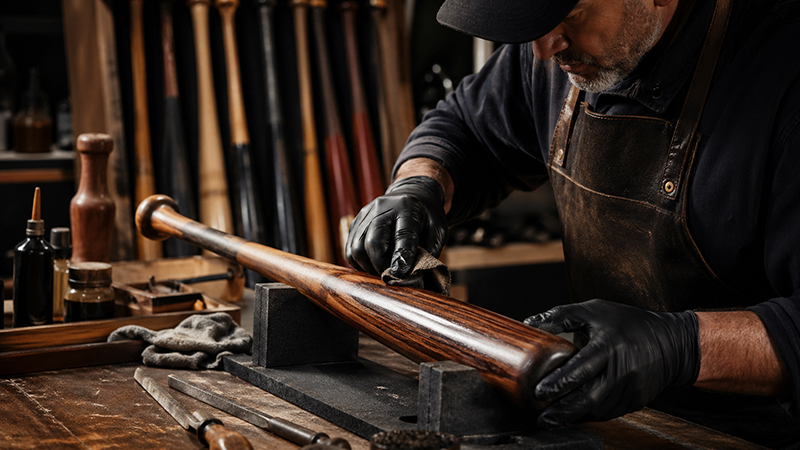
In the high-stakes world of competitive baseball and softball, your equipment is an extension of your craft.
When a premier composite bat—often representing a significant financial investment—begins to exhibit a tell-tale rattle, it can signal anything from a minor cosmetic nuisance to a catastrophic structural failure.
Understanding the mechanics of baseball bat repair is not merely about maintenance; it is about preserving the peak performance and safety of an essential tool.
This comprehensive guide serves as the definitive resource for athletes, coaches, and equipment managers tasked with diagnosing and resolving bat issues.
Drawing on professional maintenance standards, we will explore the nuances of internal debris, epoxy application, and the critical decision-making process between repair and replacement.
The Anatomy of a Rattle: Diagnostic Mapping
Before initiating any repair, a professional diagnostic phase is mandatory. Not all rattles are created equal, and the sound profile often dictates the severity of the internal issue.
1. Identifying the Sound Profile
According to industry standards, the quality of the sound provides the first clue to the bat’s internal state.
- The “Bean” Sound: If the rattle sounds like a single small object (similar to a dried bean) bouncing inside the barrel, it is frequently just a piece of dried epoxy or end-cap glue that has broken loose.
- The “Little Rocks” Sound: A sound resembling several small pebbles or gravel often indicates more significant internal damage, such as internal cracks or the delamination of composite materials.
2. Root Causes of Internal Noise
A rattling bat typically indicates one of three primary failures:
- Loose Epoxy: Hardened adhesive used during the manufacturing process can become brittle over time and snap off.
- Broken Composite Pieces: Under the high-stress environment of repeated impact, small shards of the composite inner wall may break free.
- End-Cap Damage: The bond between the barrel and the end cap may have been compromised, leading to debris entering the barrel or the cap itself vibrating.
The Strategic Prerogative: Warranty and Risk Assessment
Before a mechanical repair is attempted, the owner must evaluate the legal and financial protections available.
1. The Manufacturer-First Protocol
The highly recommended first step is to file a claim on the manufacturer’s official website (e.g., Easton.com). Attempting a DIY repair or utilizing a third-party “Rattle Removal Service” will almost certainly void the manufacturer’s warranty.
Because a rattle can be a precursor to total structural failure, leveraging the manufacturer’s replacement policy is the most secure path to maintaining equipment integrity.
2. Performance and Compliance
While a rattle does not always mean the bat is “dead” or has lost its “pop” immediately, it carries significant regulatory risks.
- Inspection Failure: A rattling bat is likely to fail pre-game inspections by officials. In many sanctioned leagues, any audible rattle is grounds for immediate removal from play to ensure a level playing field and player safety.
- Safety Hazards: A bat with heavy rattling may suffer from structural damage. This makes the bat not only ineffective at transferring energy to the ball but potentially dangerous, as structural failure during a high-velocity swing can lead to the bat shattering.
The Technical Execution: Professional Repair Methodologies
For bats outside of their warranty period, where the user chooses to proceed with restoration, several “Bat Mechanic” techniques can be employed to restore the barrel’s silence and integrity.
1. The End Cap Restoration Method
The most effective and direct way to address internal debris is the removal and reseating of the end cap.
- Step 1: Removal: The end cap is carefully removed to allow access to the interior of the barrel.
- Step 2: Clearing Debris: All loose epoxy pieces, composite shards, or solidified glue are cleared out.
- Step 3: Surface Preparation: Using a Dremel tool, the technician should clean the old, brittle epoxy from both the interior of the barrel rim and the end cap itself.
- Step 4: Reseating: A new layer of flexible epoxy is applied. Flexibility is key here; the adhesive must be able to withstand the vibrations and barrel compression that occur during contact without cracking.
2. The “Epoxy Trick” (Internal Adhesion)
For minor rattles where end-cap removal is deemed unnecessary or too risky, the “Epoxy Trick” offers a localized solution:
- Drilling: A tiny, precision hole is drilled into the end cap.
- Injection: A small amount of marine-grade epoxy is injected through the hole.
- Rotation: The bat is slowly rotated, allowing the loose debris to come into contact with the wet epoxy.
- Curing: Once the “rattle” has stuck to the epoxy, the bat is left to cure, effectively “anchoring” the debris to the end cap so it can no longer move. The access hole is then professionally sealed.
Material Science: Selecting the Right Adhesives
The success of a bat repair is entirely dependent on the quality of the materials used. Standard household glues are insufficient for the extreme G-forces of a baseball swing.
| Material Type | Application | Benefit |
|---|---|---|
| Marine Epoxy | Internal “anchoring” of debris | High strength and moisture resistance. |
| Flexible Epoxy | End cap reseating | Absorbs impact without becoming brittle. |
| Composite-Safe Cleaners | Surface prep | Removes oils without degrading the barrel resins. |
Enhanced FAQ: Expert Insights for Equipment Managers
Q: Can a rattling bat still have “pop”? A: Yes. A rattle does not automatically mean the bat has lost its performance capabilities immediately.
However, the presence of debris is often a trailing indicator that the composite layers are starting to degrade.
Q: Is it safe to use a bat with a significant rattle?
A: Use caution. A heavily rattling bat may indicate structural damage, which can make the bat dangerous or ineffective during play.
Q: Why does the source recommend checking the manufacturer’s website first?
A: Manufacturers like Easton have established protocols for structural failures. Since a rattle often indicates internal cracks or delamination, a warranty claim is the only way to receive a brand-new, certified replacement without additional cost.
Q: What tools are essential for a professional-grade repair? A: A Dremel tool for cleaning old adhesive and a high-quality marine or flexible epoxy are the baseline requirements for a durable repair.
Conclusion: Performance Through Precision
Maintaining a high-performance baseball bat requires a balance of technical skill and a safety-first mindset.
While the “Bat Mechanic” can often silence a rattle and extend the life of a favorite barrel, the integrity of the tool must never be compromised for the sake of a quick fix.
By following the diagnostic steps outlined—prioritizing warranties, assessing structural sounds, and using the correct epoxy applications—players can ensure their equipment remains as reliable as their swing.