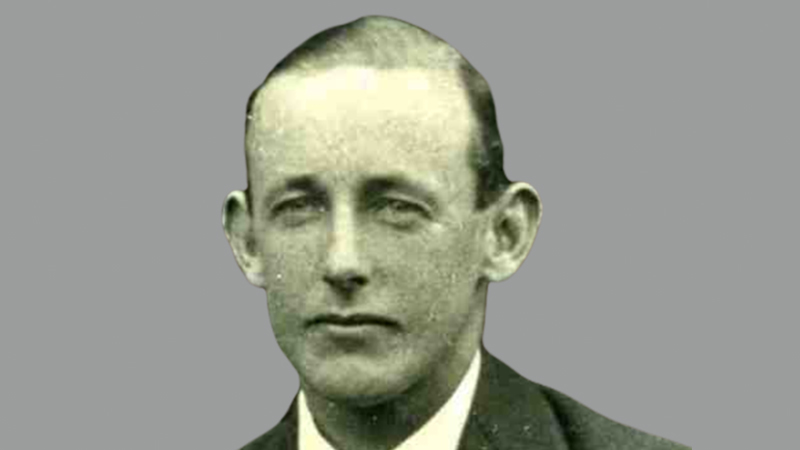
John “Jack” Bailey Hawkes was a legendary Australian amateur tennis player who famously achieved the Triple Crown at the 1926 Australasian Championships.
After a decorated career including nine major titles and multiple Davis Cup appearances, Hawkes retired from the international tour in 1932.
He transitioned into a successful business career, running the family hardware enterprise, Hawkes Brothers, in Geelong until the 1970s.
Hawkes remained an influential figure in tennis administration and spent his later years in coastal towns before passing away peacefully at age 90 on March 31, 1990, leaving behind a profound sporting legacy.
What happened to John Hawkes after his tennis career?
The transition from a high-stakes international athletic career to a stable civilian life is a path many athletes struggle to navigate, yet Jack Hawkes managed this shift with remarkable grace and professionalism.
Following his official departure from the competitive amateur circuit in 1932, he redirected his competitive drive toward the commercial sector and the long-term health of Australian sports.
The Hardware Business: Hawkes Brothers in Geelong
Upon hanging up his wooden racquets, Hawkes returned to his roots in Geelong to take the helm of his family’s enterprise. He successfully operated Hawkes Brothers, a prominent hardware merchant business, for several decades.
His tenure as a business leader lasted until his retirement in the early 1970s, proving that his strategic mind was as effective in the boardroom as it was on the lawn courts.
This period of his life allowed him to build a legacy of commercial stability and community presence that mirrored his consistency as a top-tier athlete.
Administrative Leadership and Quiet Retirement
Even while managing a thriving business, Hawkes never truly left the world of tennis behind. He remained heavily involved behind the scenes as a dedicated tennis administrator in Australia, helping to shape the future of the sport he once dominated.
In his later years, he sought the tranquility of the Australian coastline, living in Ocean Grove and Barwon Heads. He eventually returned to Geelong, where he spent his final days before passing away following a short illness in 1990.
The 1926 Triple Crown: A Historic Achievement
To understand the magnitude of Jack Hawkes’ impact on the game, one must look at the 1926 Australasian Championships, where he achieved a level of dominance that few have ever replicated.
During this single week, he secured the men’s singles, men’s doubles, and mixed doubles titles, a feat known as the “Triple Crown”. This rare accomplishment solidified his status as one of the premier players of the 1920s.
| Title Category | Achievement Detail | Tournament Context |
|---|---|---|
| Men’s Singles | Champion | 1926 Australasian Championships |
| Men’s Doubles | Champion | 1926 Australasian Championships |
| Mixed Doubles | Champion | 1926 Australasian Championships |
| Historic Rarity | Only 3 men ever | Shared with Jean Borotra and Jack Crawford |
This statistical anomaly highlights the sheer physical and mental endurance required to compete—and win—at the highest level across three different disciplines in such a condensed timeframe.
His performance that week remains a benchmark in the history of what is now known as the Australian Open.
Major Career Highlights and Grand Slam Victories
The career of Jack Hawkes was defined by more than just a single week of brilliance; it was a sustained period of excellence on the global stage. Over his tenure as an amateur star, he captured a total of nine major titles across all three primary tennis disciplines.
His ability to adapt his style to different partners and formats made him an invaluable asset to the Australian tennis community during the golden era of the sport.
Success at the U.S. Mixed Doubles
Hawkes was not merely a local hero; his skills translated seamlessly to international soil, particularly in the United States. He claimed two prestigious U.S. Mixed Doubles titles during his travels.
In 1925, he partnered with Kitty McKane to take the crown, and in 1928, he reached even greater heights by winning alongside the legendary Helen Wills.
These victories against world-class opposition cemented his reputation as one of the finest tactical players of his generation.
Representing Australia in the Davis Cup
The Davis Cup has always been the pinnacle of team achievement in tennis, and Hawkes was a vital component of the Australian squad. He proudly represented his country as a member of the Davis Cup team in 1921, 1923, and 1925.
His participation in these high-pressure international matches provided him with the experience necessary to compete at the absolute limits of the sport, further establishing his authority as a leading figure in Australian athletics.
The 1927 Singles Final: Heartbreak at Kooyong
While the 1926 season was a triumph of historic proportions, the 1927 tournament at the Kooyong Lawn Tennis Club provided one of the most dramatic and heartbreaking moments in the annals of the game.
Hawkes reached the singles final once again, looking to defend his title in what would become a legendary five-set marathon against his own doubles partner, Gerald Patterson.
A Grueling Five-Set Marathon
The match was a testament to the endurance and skill of the era’s players, lasting through five grueling sets of high-intensity tennis. Both men knew each other’s games intimately, having shared the court as partners many times before.
The psychological toll of competing against a close ally added a layer of complexity to the match that resonated with the spectators at Kooyong.
The Five Championship Points
In a moment that has been recounted in numerous retrospectives, Hawkes held five separate championship points throughout the match.
Despite being on the verge of back-to-back singles titles, he was unable to close out the victory, ultimately losing the historic encounter. This match served as a turning point in his singles career, as he never reached another Grand Slam singles final afterward.
Understanding the Legacy of Jack Hawkes Today
The memory of Jack Hawkes and his 1926 clean sweep remains a celebrated chapter in Australian sports history. His contributions to the game during the “wooden-racquet era” continue to be honored by historians and the tennis community alike.
Centenary Retrospectives and Media Coverage
In recent years, his legacy has received significant media attention, particularly during centenary celebrations at the Australian Open and the Kooyong Lawn Tennis Club.
These events serve to remind modern fans of the roots of the tournament and the giants who built the foundation for today’s professional stars. The rarity of the Triple Crown remains a central theme in these discussions.
A Multi-Generational Family Impact
The personal side of Hawkes’ story has been kept alive by his descendants, including his son John and grandson Angus. By sharing family stories and personal anecdotes, they have provided a more intimate look at the man behind the trophies.
Their involvement in public tributes ensures that the values of sportsmanship and dedication that Jack Hawkes embodied are passed down to future generations of Australian athletes and fans.
Frequently Asked Questions about Jack Hawkes
When did John Hawkes pass away?
Jack Hawkes passed away at the age of 90 on March 31, 1990, in Geelong.
What was his most significant tennis achievement?
His most notable feat was winning the Triple Crown—the singles, doubles, and mixed doubles titles—at the 1926 Australasian Championships.
Who were some of his famous doubles partners?
He won major titles alongside international legends such as Helen Wills and Kitty McKane.
What business did he run after retiring from tennis? He operated Hawkes Brothers, a hardware merchant business located in Geelong.
How many major titles did he win in total?
Throughout his career, he captured nine major titles across all categories.
Conclusion: A Multi-Generational Legacy
The story of Jack Hawkes is one of immense talent balanced by a commitment to family and community. From the historic lawns of Kooyong to the busy hardware aisles of Geelong, he lived a life of purpose and excellence.
While the game of tennis has changed significantly since the 1920s, the standards he set for achievement and sportsmanship remain as relevant today as they were during his 1926 Triple Crown run.
For anyone looking into the record books of the Australian Open, the name John “Jack” Bailey Hawkes will always stand as a testament to what is possible when skill and perseverance meet.