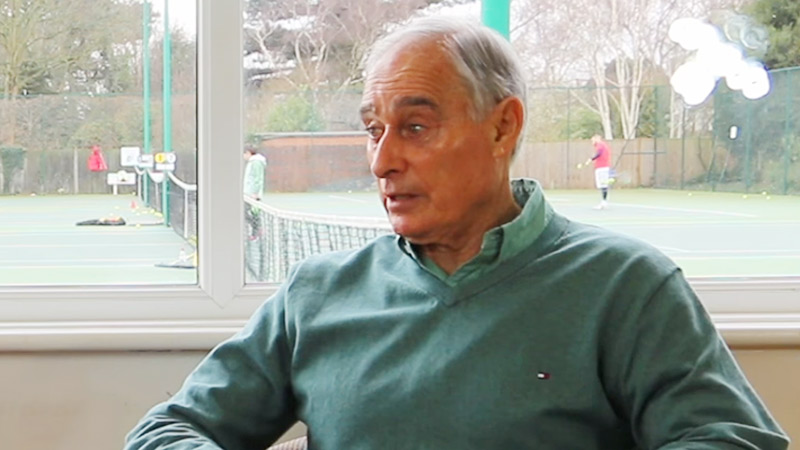
Tennis player Roger Taylor is British. Born in Sheffield, South Yorkshire, on October 14, 1941, Taylor became the definitive face of British tennis during the late 1960s and 1970s.
As the long-time domestic Number 1, his sports nationality is officially registered as Great Britain (GBR) by the ATP and ITF.
Beyond his birth in England, his British identity is cemented by his representation of the United Kingdom in the Davis Cup and his appointment as a Member of the Order of the British Empire (MBE) for his lifelong dedication to the sport across multiple decades of excellence.
What Nationality Is Tennis Player Roger Taylor?
To understand the identity of this legendary athlete, one must look at both his official registrations and his lifelong commitment to representing his home nation on the global stage. Roger Taylor is consistently identified as a British sportsman in every professional capacity.
- Official Nationality: British.
- Birthplace: Sheffield, South Yorkshire, England.
- Date of Birth: October 14, 1941.
- Sporting Code (ISO): GBR (Great Britain).
- National Ranking: Held the British Number 1 spot for several years during the 1960s and 1970s.
- International Representation: Played for and captained the Great Britain Davis Cup team.
- Professional Registrations: Both the Association of Tennis Professionals (ATP) and the International Tennis Federation (ITF) recognize him as a British player.
Roger Taylor’s Sheffield Roots and British Tennis Identity
The story of Roger Taylor begins in the industrial heart of England, where his background provided a stark contrast to the existing norms of the sport. His journey from South Yorkshire to the center court of Wimbledon is a testament to his skill and determination.
Breaking Class Barriers in Yorkshire
Roger Taylor was born in Sheffield, a city known more for its steel than its tennis courts, on October 14, 1941.
Documentation often describes him as a “working-class lad” from Yorkshire, a label that carried significant weight during an era when tennis was viewed largely as an upper-class pursuit in the United Kingdom.
By rising through the ranks from this background, Taylor challenged the traditional landscape of British tennis, proving that elite talent could emerge from any social stratum.
Rising to British Number 1
His ascent in the sport was not merely a local success story; it was a national triumph. Taylor established himself as the premier player in his country, serving as the long-time domestic Number 1 for Great Britain throughout the late 1960s and into the early 1970s.
This period was a pivotal time for the sport as it transitioned into the Open Era, and Taylor’s presence at the top of the British rankings provided stability and leadership for the nation’s tennis fans.
The Handsome Eight and the Evolution of Professional Tennis
As the sport moved toward professionalization, Taylor was at the forefront of the movement that would change the game forever. His involvement in the early professional circuits helped bridge the gap between amateur traditions and the modern tour.
Joining Lamar Hunt’s Professional Revolution
In 1968, a landmark moment occurred in the history of professional tennis with the formation of the “Handsome Eight.” Roger Taylor was selected as the sole British representative to sign with Lamar Hunt for this elite group.
These eight players were the pioneers who created the World Championship Tennis (WCT) tour, effectively laying the groundwork for the professionalized version of the sport we recognize today.
His inclusion in this group highlights his global standing and his importance to the commercial and professional development of tennis on an international scale.
Global Recognition and WCT Impact
Being part of the Handsome Eight meant Taylor was more than just a national hero; he was a global ambassador for a new way of playing tennis.
While he remained fiercely loyal to his British roots, his participation in the WCT tour took him to the furthest reaches of the globe, competing against the highest level of talent available.
This involvement ensured that the British flag was represented in the earliest days of the professional tour, cementing his status as a world-class competitor.
Grand Slam Dominance in Singles and Doubles
The records of major tournaments provide the most tangible evidence of Taylor’s prowess. His ability to perform on the biggest stages in both singles and doubles events made him one of the most versatile players of his generation.
The Wimbledon Semi-Final Legacy
Wimbledon remains the ultimate test for any British player, and Taylor rose to the occasion multiple times. He reached the singles semi-finals at the All England Club on three separate occasions: 1967, 1970, and 1973.
This achievement was historically significant, as he was only the seventh British man to reach the semi-finals at Wimbledon after the sport abolished the Challenge Round in 1922.
His consistency on the grass courts made him a perennial favorite of the home crowd and a respected figure in the tournament’s history.
Global Success and Doubles Titles
While he is often remembered for his Wimbledon runs, Taylor’s success was truly international. In 1970, he reached the semi-finals of the Australian Open, proving his ability to compete on different surfaces and in varying climates.
Furthermore, his skill in doubles was extraordinary. He achieved the rare feat of winning back-to-back US Open men’s doubles titles in 1971 and 1972, demonstrating a level of tactical intelligence and teamwork that complemented his singles game.
Leadership in the Davis Cup and Great Britain Captaincy
National representation was a recurring theme throughout Taylor’s career, extending long after he stopped competing as an active player. His commitment to the British team is one of the most enduring aspects of his professional life.
A Stalwart Player for Great Britain
In international team tennis, Taylor was a powerhouse for the United Kingdom. Between 1964 and 1976, he amassed a highly impressive 26–9 win-loss record as a player in the Davis Cup.
This record underscores his reliability in high-pressure team environments where he was often the anchor for the British squad.
His contributions were not limited to the men’s side; he also served as a trainer for the British women’s national team during the Wightman Cup, showing his dedication to the development of tennis across all categories in his home country.
Transitioning to National Team Captain
The respect Taylor commanded within the British tennis establishment led to his appointment as the Great Britain Davis Cup captain. He held this prestigious leadership role from February 2000 to January 2004.
His tenure as captain allowed him to mentor the next generation of British players, passing down the experience he gained from his own years on the tour and his time with the Handsome Eight.
This role served as a natural progression for a man who had been the face of British tennis for decades.
Official Honours and British Recognition
The British establishment has officially recognized Taylor’s contributions to the sport through various honors. These accolades serve as a permanent record of his status within the nation’s cultural and sporting history.
- Appointment of MBE: The British monarchy appointed Roger Taylor as a Member of the Order of the British Empire (MBE).
- Reason for Honour: This was granted in recognition of his lifelong services to the sport of tennis.
- National Representation: Throughout his career, he officially represented Great Britain/United Kingdom in all international forums.
- ATP/ITF Status: His official sports nationality is recorded as GBR in all professional databases.
Frequently Asked Questions About Roger Taylor
What is Roger Taylor’s official nationality?
Roger Taylor is British. He was born in England and represented Great Britain throughout his professional career in both the Davis Cup and on the ATP tour.
Where was Roger Taylor born?
He was born in Sheffield, South Yorkshire, England. His background is often described as working-class, which was unique in the tennis world at the time.
Did Roger Taylor ever win a Grand Slam?
While he did not win a Grand Slam singles title, he was a three-time semi-finalist at Wimbledon and a semi-finalist at the Australian Open. However, he was a major champion in doubles, winning the US Open men’s doubles titles in 1971 and 1972.
What was the “Handsome Eight”?
The Handsome Eight was a group of eight players, including Roger Taylor, who signed with Lamar Hunt in 1968 to form the professional World Championship Tennis (WCT) tour. Taylor was the only British player in this historic group.
Was Roger Taylor the Davis Cup captain?
Yes, after his playing career ended, Taylor served as the captain of the Great Britain Davis Cup team from 2000 to 2004.
Conclusion: An Enduring British Legacy
The career of Roger Taylor is a defining chapter in the narrative of British tennis. From his early days as a talented youth in Sheffield to his status as a Member of the Order of the British Empire, Taylor has remained a steadfast representative of his nation.
His success in the late 1960s and 1970s provided a bridge for British fans during the transition to professional tennis, and his leadership in the Davis Cup ensured that his influence would be felt by future generations.
Whether reaching the semi-finals of Wimbledon or winning major doubles titles in New York, Taylor’s nationality and his pride in representing Great Britain were always at the heart of his achievements.
He remains one of the most respected figures in the history of the sport, embodying the spirit of a true British champion.