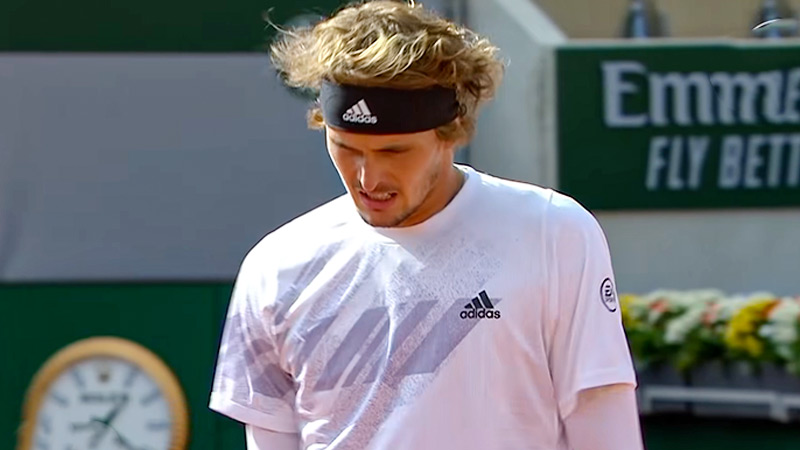
Alexander Zverev is famously known by the nickname “Sascha” because it serves as the traditional Russian diminutive for the name Alexander. Although he was born in Hamburg and competes under the German flag, Zverev’s family heritage is deeply rooted in Russia.
In Slavic linguistic traditions, names like Aleksandr naturally shorten to Sasha through specific affectionate suffixes. The unique German spelling, “Sascha,” utilizes the “sch” to ensure accurate pronunciation in his home country.
While he originally viewed the moniker as a private name for family, it has become his official professional identity, recognized globally by the ATP.
How Does Alexander Turn Into the Nickname Sascha?
The transformation of a formal name into a shortened version follows centuries-old linguistic patterns found across Eastern Europe.
This process is not random but governed by specific rules of the Slavic language that emphasize affection and familiarity within a family unit.
The Slavic Linguistic Chain of Evolution
In Russian culture, names are frequently modified by extracting a specific syllable and adding a diminutive suffix to create a “short form”. For the name Aleksandr (Александр), the evolution followed a historical path that transitioned through several stages.
In older Slavic formats, the name was often lengthened affectionately to Aleksashka. Over time, this was simplified by dropping the beginning of the name, resulting in Sashka, which eventually softened into the widely recognized Sasha.
This linguistic pattern is a standard rule in Russia and is comparable to common English name variations. Just as William becomes Bill, Robert becomes Bob, or James becomes Jim, Aleksandr becomes Sasha.
Other prominent examples in the tennis world include Mikhail becoming Misha or Daniil becoming Danya.
The Significance of the German Spelling
While the name is phonetically “Sasha” in English-speaking regions, the specific spelling of “Sascha” with a “c” is a direct result of Zverev’s upbringing in Germany. In German orthography, the “sch” combination is required to produce the “sh” sound.
Because Zverev grew up in Hamburg, the spelling was adapted to match German phonetics, ensuring that his name would be pronounced correctly by his peers and the local media.
This small spelling variation acts as a bridge between his Eastern European roots and his Western European nationality.
The Family Tradition Behind the Zverev Name
The adoption of the nickname was a practical necessity and a cultural tribute within the Zverev household. Understanding the family’s history provides essential context for why this name stuck throughout his rise to professional stardom.
A Legacy of Russian Tennis Excellence
Both of Alexander Zverev’s parents were high-level professional tennis players representing the Soviet Union.
His mother, Irina Zvereva, was once ranked as the fourth-best player in the Soviet Union, while his father, Alexander Zverev Sr., held a global ranking of 175.
The couple practiced at a military-administered tennis club in Moscow before the collapse of the Soviet Union. In 1991, they migrated from Moscow to Germany, bringing their rich athletic background and cultural naming customs with them.
Differentiating Between the Two Alexanders
One of the primary reasons for the consistent use of the nickname was to avoid confusion within the family home. Because Zverev’s father is also named Alexander, the family called the younger son Sascha from infancy.
This tradition allowed the family to distinguish between the two Alexanders both at home and on the practice courts, where Alexander Sr. has served as his son’s primary coach.
While his elder brother, Mischa, also represents Germany on the ATP tour, it is the younger Alexander who carries this specific linguistic marker of their heritage.
Is Sascha Zverev Russian or German?
The question of Zverev’s identity is one he has addressed frequently throughout his career. While his nickname suggests one origin, his professional loyalty and personal sense of self are firmly planted elsewhere.
Navigating Dual Cultural Identities
Despite the heavy influence of Russian culture within his family, Zverev has been vocal about his national identity. He was born in Hamburg on April 20, 1997, and has spent his entire life within the German sports system.
He has explicitly stated in various interviews that he identifies as German. His success, including winning the gold medal for Germany at the 2020 Tokyo Olympics, has solidified his status as one of the country’s greatest modern sporting icons.
The Preference for a Private Nickname
Interestingly, Zverev did not always intend for “Sascha” to be his public persona. In the past, he expressed a preference for only close friends and family to use the nickname.
He was concerned that a Russian nickname might overshadow his professional identity as a German player. However, as he ascended the world rankings, the name proved too popular to contain.
The tennis community embraced the moniker so completely that it effectively transcended his private life, becoming the standard way he is addressed by the global media.
How Sascha Became a Global Professional Brand
The nickname has moved far beyond the family dinner table and is now a core component of the player’s professional image. It is utilized by every major entity in the sport, from governing bodies to multi-national sponsors.
Peer Recognition and Media Adoption
In the locker room and during televised broadcasts, the name Sascha is ubiquitous. Fellow players such as Novak Djokovic and Daniil Medvedev exclusively refer to him as Sascha during matches and press conferences.
Commentators and umpires have followed suit, often using the nickname interchangeably with his birth name during high-stakes tournaments like Wimbledon.
This widespread acceptance has helped the name become a familiar term for fans, even those who may be new to the nuances of Slavic naming conventions.
Integration into Official ATP Biography
The ATP Tour officially recognizes “Sascha” as Zverev’s nickname on his player biography page. This formal acknowledgment has allowed the name to be used in marketing campaigns and commercial branding.
Over the years, his clothing sponsors and personal management have integrated the name into logos and promotional materials.
The transition from a family diminutive to a global brand is now complete, with the name appearing on everything from tournament brackets to fan merchandise.
Major Career Milestones for Sascha Zverev
| Achievement | Detail | Year/Ranking |
|---|---|---|
| Career-High Ranking | Reached World No. 2 | June 2022 |
| Olympic Success | Gold Medal in Men’s Singles | Tokyo 2020 |
| ATP Finals Titles | Champion (2 Titles) | 2018, 2021 |
| Grand Slam Finals | US Open, French Open, Australian Open | 2020, 2024, 2025 |
| Masters 1000 Titles | Multiple victories across surfaces | Ongoing |
| Youngest Honors | Youngest Challenger winner at 17 | 2014 |
Frequently Asked Questions About Alexander Zverev
How tall is Alexander Zverev?
He stands at 198 cm, or approximately 6 feet 6 inches.
What is his current weight?
He weighs approximately 90 kgs.
Has he ever been World No. 1?
As of February 2025, he has not yet reached the No. 1 spot, though he has reached as high as No. 2.
How many Grand Slam finals has he reached?
He has appeared in three Grand Slam finals: the 2020 US Open, the 2024 French Open, and the 2025 Australian Open.
What was his prize for the 2025 Australian Open?
For finishing as a finalist, he earned A$1.9 million.
Who is his brother?
His older brother is Mischa Zverev, who is also a professional tennis player on the ATP Tour.
Is he a diabetic athlete?
Yes, it has been publicly explained by announcers that Zverev manages Type 1 diabetes while competing at the highest level.
Final Thoughts on the Sascha Moniker
The name Sascha is more than just a label; it is a reflection of the complex, multicultural landscape of modern professional tennis. It honors the Russian heritage of the parents who moved across a collapsing Soviet border to give their children a better future in Germany.
It also represents the unique linguistic journey of the name Alexander as it traveled from Moscow to Hamburg and eventually to the center courts of the world.
While Zverev remains a proud representative of German tennis, the nickname Sascha ensures that his family’s history is never forgotten by the fans who cheer for him.