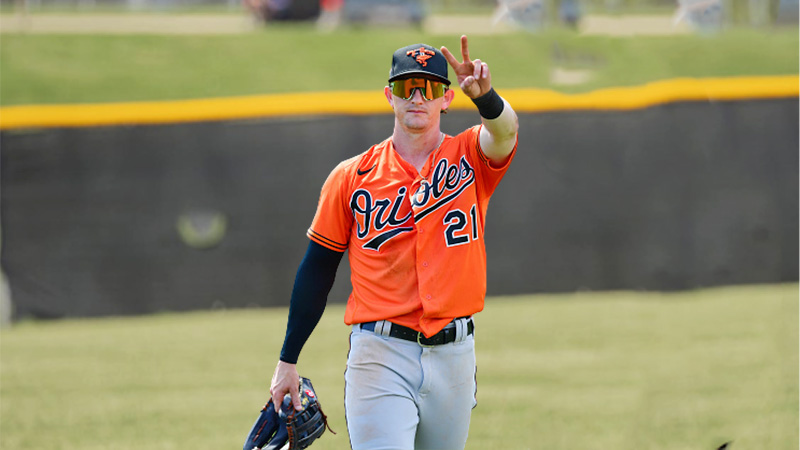
Austin Hays is currently healthy, but he is not playing every day because he fills a part-time, short-side platoon role for the San Diego Padres.
San Diego acquired Hays on a one-year contract to serve as a right-handed bench asset following his release from the Chicago White Sox.
The Padres feature a deep outfield group, leading management to sit Hays against right-handed starting pitchers. Consequently, Hays enters the lineup primarily when facing left-handed starters.
Despite his situational playing status, Hays remains highly effective, producing strong results across left field, right field, and designated hitter duties.
Austin Hays Current Role and Padres Roster Status
San Diego utilizes Austin Hays in a specialized roster capacity designed to maximize lineup flexibility. Understanding his designated game duties helps clarify why his starting appearances remain selective rather than daily.
Platoon Splits Against Left-Handed Pitching
The primary reason behind the reduced playing time for Austin Hays involves tactical pitching matchups. San Diego management deploys Hays specifically against left-handed pitchers to leverage his right-handed batting profile.
When opposing teams send right-handed starting pitchers to the mound, Hays normally remains on the bench.
This tactical platoon arrangement allows San Diego to keep key outfielders rested while optimizing offensive statistical matchups throughout the regular season roster rotation.
Outfield Depth and Position Flexibility
San Diego maintains a deeply established outfield unit, limiting available daily starting slots for bench contributors. Hays splits his field appearances between left field, right field, and designated hitter.
By offering defensive flexibility across multiple positions, Hays provides crucial rotational depth.
His adaptability allows manager flexibility without disrupting core outfield starters, making him an impactful situational option late in tight games or during specialized pitching matchups.
Recent Performance Impact Off the Bench
Despite limited lineup starts, Hays delivers stellar offensive output whenever called upon. During September, Hays posted a robust .400 batting average, highlighting his ability to stay sharp despite irregular game action.
Recently, he demonstrated his power by crushing a solo home run against the Colorado Rockies. This high productivity reinforces his value as a bench contributor who produces immediate offensive impact without needing continuous daily starts.
Austin Hays Injury History and Health Timeline
Physical setbacks and severe medical issues have repeatedly disrupted the major league career of Austin Hays. A comprehensive review of his past physical ailments explains his historical availability patterns across several organizations.
Recent Stints During the 2026 Season
While playing for the Chicago White Sox in April 2026, Hays suffered a Grade 1 right hamstring strain chasing a fly ball, forcing a 10-day IL stint. Soon after returning, a left calf strain sidelined him again.
Recurrent calf soreness interrupted multiple rehab assignments, prompting Chicago to move him to the 60-day IL and eventually designate him for release before he joined San Diego.
Health Struggles Throughout the 2025 Campaign
Opening 2025 with the Cincinnati Reds, Hays landed on the 10-day IL with a low-grade calf strain. Following a scorching start where he hit .365 with 5 home runs in 13 games, a hamstring strain returned him to the IL.
A severe left foot contusion requiring an MRI halted his next comeback attempt, and late-season back spasms caused additional missed game action.
Lower Body Strains and Severe Infection in 2024
In 2024 with Baltimore, Hays missed time due to abductor and lower-body tightness. After a trade to Philadelphia, a left hamstring strain immediately sent him to the IL.
Later in September, a severe kidney infection hospitalized Hays in Toronto, causing extreme fatigue, back pain, brain fog, and heavy legs, which ultimately led Philadelphia to non-tender him.
Early Career Ailments and All Star Peak
Between 2018 and 2021 with Baltimore, Hays endured recurring rib fractures, hamstring strains, plus ankle and thumb surgeries. He achieved relative health across 2022 and 2023, earning an American League All-Star selection in 2023.
However, persistent physical issues subsequently resurfaced, repeatedly interrupting his development into a full-time everyday starter across multiple major league organizations.
Austin Hays Tactical Impact and Performance Metrics
Analyzing how Austin Hays contributes when inserted into the lineup reveals why San Diego values his bench presence. His offensive output demonstrates sharp situational utility despite irregular game appearances.
Elite September Batting Average Progression
Hays demonstrated exceptional plate discipline during September, maintaining a .400 batting average across his limited playing opportunities.
Keeping such a high batting average without daily game reps reflects his disciplined preparation and professional approach off the bench.
San Diego relies heavily on this immediate offensive capability during high-leverage late-game innings against tough opposing bullpen arms.
Situational Power and Defensive Alignment
Beyond contact hitting, Hays provides distinct power, demonstrated by his recent solo home run against the Colorado Rockies. His capacity to play left field, right field, and designated hitter gives San Diego manager tactics valuable flexibility.
Plugging a proven former All-Star into various positions optimizes match conditions while keeping core regulars fresh throughout demanding schedule stretches.
Key Factors Influencing Austin Hays Lineup Decisions
Evaluating daily lineup cards involves weighing several tactical elements regarding player health and opponent pitching profiles. Management considers distinct strategic variables before inserting Hays into the starting order.
- Pitching Matchups: Facing left-handed starters increases Hays’s likelihood of starting due to his platoon advantages.
- Health Management: Past lower-body muscle strains require monitoring to prevent recurrent physical setbacks.
- Roster Depth: San Diego’s established outfielders necessitate rotation, limiting full-time daily starter roles.
- Defensive Versatility: Ability to cover left field, right field, and designated hitter expands late-game substitution options.
- Recent Performance: Strong contact metrics like a .400 September average validate his bench effectiveness.
Frequently Asked Questions About Austin Hays
Is Austin Hays Currently Injured?
No, Austin Hays is currently healthy. While he spent significant time on the injured list earlier in the season with lower-body issues, his current lack of daily starts stems strictly from roster tactics rather than physical impairment. He remains fully healthy and available off the bench for San Diego.
What Team Does Austin Hays Play For Now?
Austin Hays currently plays for the San Diego Padres after signing a one-year contract. Earlier in the 2026 season, he played for the Chicago White Sox before being released following extended calf strain setbacks.
He has also previously played for Baltimore, Philadelphia, and Cincinnati during his major league career.
Why Did the Chicago White Sox Release Austin Hays?
The Chicago White Sox designated Hays for release after persistent calf soreness interrupted multiple minor league rehab assignments.
After initially landing on the injured list with a left calf strain, recurrent soreness prevented a full recovery, leading Chicago to move him to the 60-day IL and release him before he signed with San Diego.
Summary and Final Outlook for Austin Hays
Austin Hays continues to fill an essential role for San Diego despite not holding a full-time starting job.
By excelling in a short-side platoon against left-handed pitching, Hays maximizes his offensive impact while managing his historical physical workload.
His impressive September performance proves that situational bench assets can dramatically influence team success.
As San Diego navigates competitive series, having a former All-Star capable of delivering clutch hits off the bench remains a major tactical advantage.
Sports fans can expect Hays to stay vital in key matchups whenever facing left-handed starters. Explore our detailed team coverage and subscribe today to stay updated on major league lineup news and roster movements.