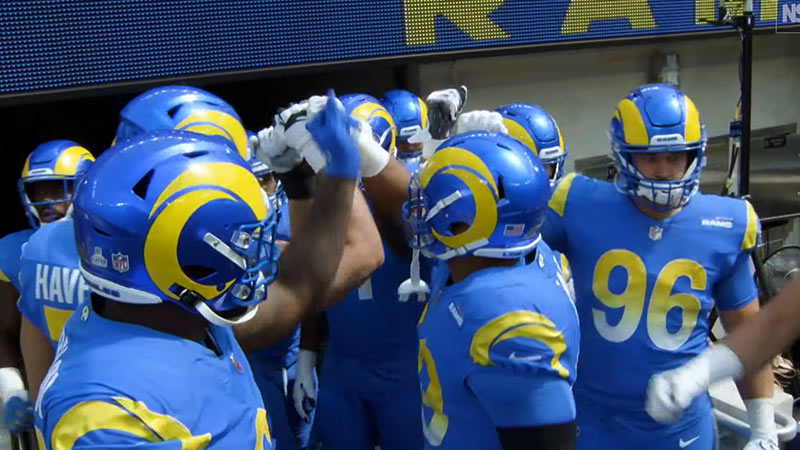
For any professional football franchise, the ultimate journey toward the Lombardi Trophy begins with a very localized mission: conquering the home turf.
Every August, thirty-two teams embark on a grueling 17-game regular season schedule, but the immediate, non-negotiable objective for every organization is locking down the division crown.
Understanding how division titles work is essential for appreciating the tactical chess match of professional football.
Securing a division title does more than just award a banner; it serves as the ultimate gateway to postseason success, guaranteeing a top-four playoff seed and the invaluable advantage of hosting a playoff game.
The Structural Anatomy of the League
To understand how a team captures a division crown, you first need to look at how the league is organized. The organization splits its thirty-two teams into two massive conferences: the American Football Conference (AFC) and the National Football Conference (NFC).
Each of these conferences is further subdivided into four distinct geographic groups: East, North, South, and West. Each division houses exactly four teams.
Over an 18-week schedule featuring 17 games, franchises play a mix of intra-conference, inter-conference, and crucial intra-division matchups.
- The Core Objective: Finish the regular season with the best overall win-loss-tie record among the four teams in your specific group.
- The Reward: The team sitting in first place at the conclusion of the 17-game slate automatically claims the division championship. This milestone locks in a top-four seed in the conference playoffs, bypassing the chaotic scramble for wild-card spots and ensuring at least one home game in front of the home fans.
The Strategic Blueprint for Division Dominance
Winning a division requires more than just accumulating a respectable overall record. Because teams play each other multiple times a year, internal group warfare dictates the rhythm of the race.
1. Defending Home Turf Within the Group
Every single franchise plays its three division rivals twice a year—once at home and once on the road—totaling six internal games.
Sweeping these matchups or dominating your intra-group record provides a massive cushion. Dropping games to direct rivals acts as a double-whammy: not only do you lose ground, but you actively hand momentum and tiebreaker ammunition to the competition.
2. Maximizing Efficiency in Common Games
Beyond the six internal battles, schedules feature blocks of common opponents where division rivals play the exact same external teams from other divisions.
Front offices and coaching staffs pore over analytics to target these specific fixtures. Navigating these common games efficiently keeps a team ahead when overall records begin to mirror one another in December and January.
When Records Collide: Breaking Ties in the Standings
The parity in professional football means that division races frequently come down to the final weekend of the year. What happens if two or three teams finish the 17-game marathon with identical win-loss-tie percentages?
The league relies on a strict, highly organized hierarchy of tie-breaking rules to separate contenders from the pack:
Head-to-Head Competition
The first layer evaluates the direct win-loss-tie percentage in games played between the tied clubs. If Team A swept Team B during the regular season, Team A wins the tiebreaker.
Division Record
If teams split their head-to-head meetings or didn’t play an equal number of times, the focus shifts to the best record compiled against other opponents within the same division.
Common Games
The evaluation expands to look at how each tied contender performed against common opponents, requiring a minimum threshold of shared fixtures.
Conference Record
When divisional metrics still leave teams deadlocked, the lens widens to examine records compiled against all opponents within the same conference.
Advanced Metrics (Strength of Victory and Schedule)
If the deadlock persists, the system evaluates the collective strength of victory (the combined winning percentage of the teams you have beaten) and strength of schedule.
Further layers involve net points, common touchdowns, and, in extremely rare scenarios, a randomized coin toss.
Frequently Asked Questions
Does winning a division guarantee a first-round bye?
No. Under the current postseason format, only the conference’s number-one overall seed (the division winner with the single best record) receives a first-round bye.
The remaining three division champions host a playoff game in the Wild Card round against wild-card qualifiers.
What happens if two teams finish with a tie game on their record?
A tie counts mathematically as half a win and half a loss for both clubs. When calculating final standings percentages, this nuance can drastically influence tight divisional races where percentage points dictate the champion.
Can a team with a losing record win a division?
Yes. On rare occasions, if a division experiences extreme parity, injuries, or struggles across all four rosters, a team can finish with a sub-.500 record (such as 8-9) and still capture the crown if they hold the tiebreakers over their equally struggling rivals.
Conclusion
Conquering an NFL division is a grueling test of depth, resilience, and tactical execution across an 18-week schedule.
By outperforming local rivals, mastering high-stakes tiebreakers, and protecting home turf, franchises earn more than just a regular-season trophy.
They secure the coveted top-four playoff seeding and the right to host postseason football, setting the stage for a deep and historic run toward ultimate championship glory.