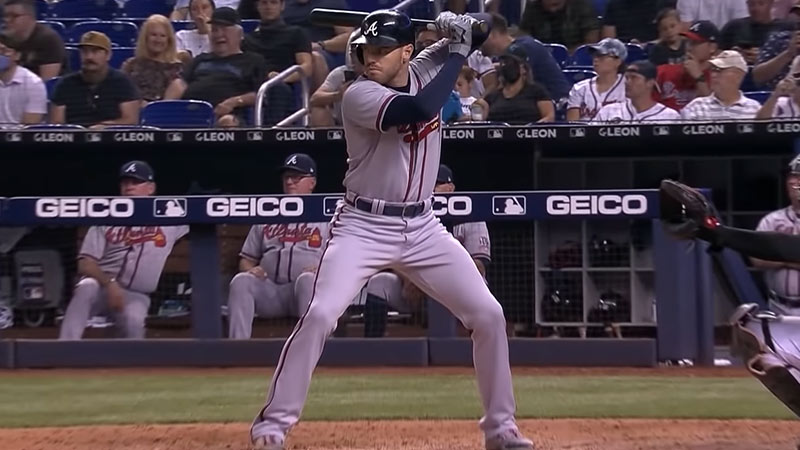
Reaching Major League Baseball (MLB) is one of the most difficult achievements in all of professional sports.
Behind every player stepping onto a major league diamond is a decade-long journey defined by relentless dedication, elite athletic performance, mental resilience, and navigating complex professional pathways.
With only a fraction of amateur players ever hearing their names called on draft day—and an even smaller percentage of minor leaguers ultimately cracking a big-league roster—understanding the exact mechanics of the professional baseball pipeline is essential for any aspiring athlete, coach, or parent.
Understanding the Landscape: The Numbers Behind the Dream
The journey to the major leagues is a statistical gauntlet. Out of millions of kids who play youth baseball, only a tiny percentage earn a college scholarship or get drafted.
Once inside a professional organization, roughly 10% to 15% of minor league players ever make a Major League Baseball appearance.
Success requires treating the pursuit like a business long before the uniform is professional. Raw talent opens the door, but advanced metrics, developmental efficiency, and psychological resilience determine who stays.
Step 1: Entry Pathways into Professional Baseball
An aspiring professional must first secure a contract through one of the established entry channels. Modern scouting relies heavily on a blend of traditional talent evaluation and advanced data analytics (such as TrackMan, Hawkeye, spin rates, and exit velocities).
1. The MLB Draft
For amateur players based in the United States, Canada, and U.S. territories, the MLB Draft serves as the primary gateway.
High School Track: High school prospects offer organizations raw physical projection and high ceilings, though they carry greater developmental risk. Scouts evaluate arm strength, running speed, body frame, and natural bat-to-ball skills.
College Track: College baseball programs in the NCAA provide structured competition against older, more polished players. College performances offer reliable analytical samples, making collegiate performers heavily targeted for their immediate organizational readiness.
The MLB Draft League: Specialized circuits like the MLB Draft League give high-level amateurs an expanded platform to perform in front of professional scouts using wood bats and professional-grade tracking technology.
2. International Free Agency
Players outside of North America—predominantly from baseball powerhouses like the Dominican Republic, Venezuela, Cuba, and Mexico—typically enter the professional ranks via international free agency.
Academies and Showcase Circuits: Prospects are eligible to sign starting at age 16. Major league organizations operate state-of-the-art training academies abroad, where young talent is cultivated in professional environments focusing on conditioning, nutrition, language acquisition, and advanced baseball instruction.
Step 2: Surviving and Advancing Through the Minor League System
Signing a professional contract is merely the starting line. Players must navigate a grueling multi-tier minor league ladder designed to weed out underperformers and refine elite talent.
Rookie Leagues and Complex Levels
The journey begins at spring training complexes or short-season rookie leagues. Here, the focus shifts from raw athleticism to professional execution.
Coaches work with players to optimize swing paths, clean up pitching mechanics, and build the physical durability required for a 140-game professional calendar.
Single-A (Low-A and High-A)
At the Single-A level, players face nightly competition against seasoned collegiate pitchers and advanced hitters.
Success here is measured less by batting average or win-loss records and more by peripheral metrics: swing decisions, strikeout-to-walk ratios, pitch recognition, and defensive range.
Double-A: The Ultimate Proving Ground
Baseball insiders universally agree that Double-A is where prospects either make their career or stall out. At this level, organizations test players against elite, upper-tier talent that includes former major leaguers on rehab assignments and top-tier prospects.
Adjustments must be instantaneous, as opposing pitching staffs quickly exploit mechanical vulnerabilities.
Triple-A: The Doorstep of the Show
Triple-A represents the final tier of development. Players here possess major league-ready skills and serve as the direct depth chart for the big league club.
Beyond performance, Triple-A tests mental stamina as players wait for an injury, trade, or slump to open an active roster spot.
Step 3: The Call-Up and Roster Mechanics
Earning a promotion to the major leagues involves more than just hitting home runs or striking out batters; it is an intricate operational puzzle for front offices.
The 40-Man Roster: To protect prospects from being selected by other teams in the Rule 5 Draft, organizations must add them to the 40-man roster. This step confers major league status, salary protections, and places the player one step away from the active roster.
The 26-Man Active Roster: When an opening occurs due to injury, trade, or performance, the front office executes a major league call-up. Whether a player travels across the country on a red-eye flight to join the team for a night game or receives the news in a quiet manager’s office, adapting immediately to the speed and media spotlight of the big leagues is critical.
Step 4: Professional Habits, Daily Routines, and Mindset
Physical gifts create opportunities, but mental fortitude and daily discipline separate multi-year veterans from flash-in-the-pan call-ups.
The Elite Daily Routine
Video and Data Study: Modern professionals spend hours in the clubhouse breaking down opposing pitcher tendencies, spray charts, and pitch sequencing via advanced software tools.
Physical Maintenance: A 162-game season requires obsessive recovery protocols. Elite players prioritize sleep science, individualized physical therapy, arm-care routines, and customized nutritional plans to maintain peak force production from April through October.
Mental Resilience and Failure Management
Baseball is a sport built on failure. Even the greatest hitters in history fail 70% of the time over a season. Developing strict mental discipline prevents a 0-for-20 slump from turning into a mechanical overhaul that disrupts a player’s entire career.
Mental toughness, emotional baseline control, and short-term memory are non-negotiable traits for survival at the highest level.
Frequently Asked Questions
What age do most players reach the major leagues?
The average age of a rookie making their major league debut typically ranges between 23 and 25 years old.
Exceptional talents—often high-round draft picks or elite international prospects—may debut at 20 or 21, while college graduates usually arrive closer to 23 or 24 after progressing through the minor league system.
How do professional scouts evaluate players today?
Scouts combine traditional observational evaluations with advanced analytics. While eye tests assess makeup, hustle, and instinct, organizations heavily weigh objective data like exit velocity, launch angle, sprint speed, defensive runs saved, spin rate, and pitch extension.
What is the Rule 5 Draft?
Held annually during the Winter Meetings, the Rule 5 Draft allows organizations with open spots on their 40-man rosters to select unprotected players from other teams’ minor league systems.
Players selected must remain on the active major league roster for the entire subsequent season, or be offered back to their original club.
Conclusion
Making it to Major League Baseball demands an uncompromising commitment to self-improvement, adaptability, and resilience.
Whether entering through the amateur draft, international academies, or specialized showcases, every big leaguer shares a common trait: the ability to turn daily preparation into consistent, high-level execution under extreme pressure.
For those willing to put in the work, the path exists—requiring equal parts physical talent, mental toughness, and unwavering dedication to the game.