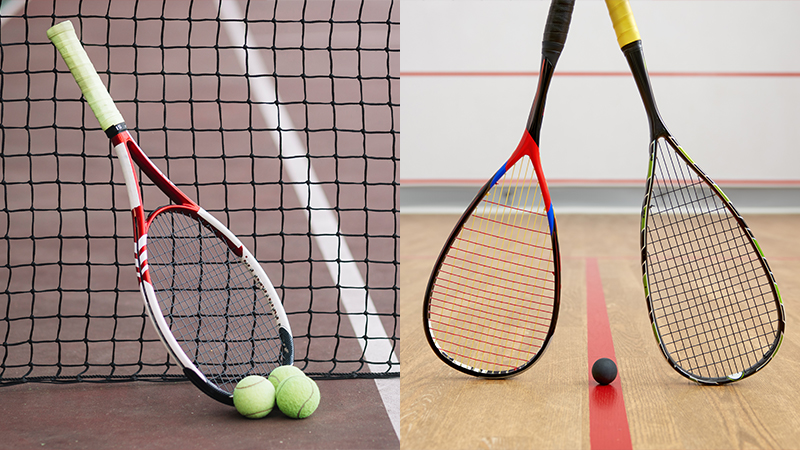
In the landscape of modern athletics, few things cause as much linguistic and technical confusion as the “Racketball vs. Racquetball” debate. To the uninitiated, the distinction seems like a mere regional spelling variation—a simple case of “American English versus British English.”
As racquet sports continue to surge in popularity as a high-energy alternative to “tedious gym routines,” understanding these nuances is essential for players, club owners, and equipment manufacturers alike.
This comprehensive guide analyzes the strategic, technical, and historical divergence between Racketball (now officially known as Squash57) and Racquetball, providing the clarity needed to dominate the court.
The Core Identity: Defining the Two Contenders
To understand the difference, one must first identify the lineage of each sport. While they share the commonality of being played within four-walled courts, their DNA is distinct.
Racketball (Squash57)
This sport is essentially a variation of squash. It was developed to be more accessible, utilizing equipment that slows the game down and increases the “hit-ability” of the ball.
In 2016, England Squash, the sport’s governing body, officially rebranded it as Squash57 to distinguish it from its American cousin and highlight its unique characteristics.
Racquetball
This is a standalone racquet sport that originated in the United States. It was never intended to be a variation of squash, but rather a unique game with its own trajectory, scoring system, and specialized court dimensions.
The confusion stems from the similarity in names, yet as we dive into the technical specifications, the gap between the two becomes a canyon.
The 57mm Revolution: Equipment Specifications
The most significant physical differentiator between these two sports lies in the equipment—specifically, the ball and the racket.
The Ball: Speed vs. Playability
The name “Squash57” provides a direct clue to its technical makeup. The ball used in this sport has a diameter of 57mm, which is larger than both a standard squash ball and a traditional racquetball.
- Squash57 (Racketball): The 57mm ball is larger, bouncier, and softer. This increased size and “squishiness” serve a strategic purpose: they slow down the pace of the game, giving players more time to react and making the sport significantly more accessible for beginners.
- Racquetball: In contrast, the ball used in racquetball is smaller and harder. This results in a faster, more explosive game where the ball maintains its velocity longer, requiring higher levels of precision and faster reflexes from the players.
The Racket: Precision vs. Surface Area
Racket design further separates the two disciplines:
- Racketball (Squash57) Rackets: These feature a larger head size. A larger hitting surface reduces the margin for error, making it easier for players to make consistent contact with the ball, even during high-intensity rallies.
- Racquetball Rackets: These rackets possess a smaller head size. Because the ball is smaller and the game is faster, racquetball demands a higher degree of precision. The smaller racket head is designed for “sweet spot” accuracy rather than broad surface area.
Decoding the Rulebook: Bounces and Returns
The strategic depth of any racquet sport is defined by its rules regarding ball movement and player interaction. Here, the two sports diverge sharply.
The “Two-Bounce” Rule in Squash57
In the world of Racketball (Squash57), the rules are designed to favor long rallies and sustained cardiovascular engagement. One of the standout features of this sport is that the ball is permitted to bounce twice before a player must return it.
This rule, combined with the bouncier 57mm ball, ensures that points are not ended prematurely, making it an excellent “high-energy excitement” alternative for those looking to get fit.
The Multi-Bounce Dynamic of Racquetball
Racquetball operates on a different logic. According to the sport’s unique set of rules, the ball is allowed to bounce as many times as necessary before a player must return it.
This creates a completely different rhythm on the court, emphasizing court positioning and the ability to track a fast-moving, hard ball across multiple angles before executing a return.
The 2016 Rebrand: Why “Squash57” Matters
In 2016, the governing body England Squash made a strategic decision to rebrand Racketball as Squash57. This was not merely a cosmetic change but a calculated move to dominate the racquet sports market by focusing on accessibility and appeal.
The rebranding served three primary purposes:
- Differentiation: It ended the “Racketball vs. Racquetball” naming confusion by giving the squash-based variant a unique, trademarked identity.
- Highlighting Characteristics: By including “57” in the name, the sport emphasizes the 57mm ball that defines its playstyle.
- Global Expansion: The rebrand aimed to make the game more appealing to a wider audience, positioning it as a “bridge” sport for beginners and a lifelong fitness option for older players who might find traditional squash too taxing on the joints.
Audience Profiling: Which Sport is Right for You?
From a strategic perspective, choosing between these sports depends on your athletic goals and “engagement preferences”.
- The Beginner/Casual Player: Squash57 (Racketball) is the clear winner here. The larger racket head and the bouncier, slower 57mm ball make the learning curve much shallower. It offers an immediate “fun factor” without the frustration of constant missed hits.
- The Precision Specialist: If you enjoy a game that prizes “accuracy” and “skill to hit the ball accurately,” Racquetball is the superior choice. The smaller, harder ball and smaller racket head require a more refined technique and offer a faster, more aggressive style of play.
- The Fitness Enthusiast: Both sports offer a reprieve from “tedious gym routines”. However, the two-bounce rule in Squash57 often leads to longer rallies, which can translate to a more consistent aerobic workout.
The Global Landscape: Tournaments and Community
The infrastructure for these sports is robust, particularly in North America and the UK. Organizations like CourtBound.com provide extensive resources for both, including:
- Rule Guides: Comprehensive breakdowns for Singles Squash, Hardball Doubles, and specifically Squash57 Rules.
- Tournament Access: Information on upcoming tournaments in Canada and the US, ensuring that players have a pathway from casual play to competitive excellence.
- Equipment Ecosystem: A specialized market for “Squash Racquets” and “Accessories” tailored to the specific needs of each sport.
Joining the community of these racquet sports is more than just a hobby; it is a lifestyle shift toward high-energy fitness and social engagement.
Advanced FAQ: Clearing the Air
Q: Can I play Racketball (Squash57) on a Racquetball court?
A: While physically possible, it is not recommended for competitive play. Squash57 is rooted in the game of squash and is traditionally played on a squash court, which has different dimensions and markings than a dedicated racquetball court.
Q: Is Squash57 just “easy squash”?
A: Not exactly. While it is more “accessible” due to the 57mm ball, the longer rallies often result in a higher cardiovascular demand. It is a “different” sport, not necessarily an “easier” one at high levels of play.
Q: Why does the spelling of “Racket” change?
A: Generally, “Racketball” (with a ‘k’) refers to the British/Squash57 variant, while “Racquetball” (with a ‘qu’) refers to the American sport. However, this is a general rule and not a strict legal requirement.
Conclusion: Beyond the Name
The “Racketball vs. Racquetball” debate is a prime example of how small technical details—a 57mm ball, a few extra inches of racket head, or an extra bounce—can create entirely different athletic experiences.
Whether you choose the accessible, rally-heavy world of Squash57 or the high-precision, fast-paced environment of Racquetball, you are choosing a path away from the monotony of the treadmill. Both sports represent a commitment to “get fit, have fun, and never look back”.
As the racquet sports industry continues to evolve, staying informed on these distinctions ensures that you are not just a player, but an educated participant in a global sporting tradition.