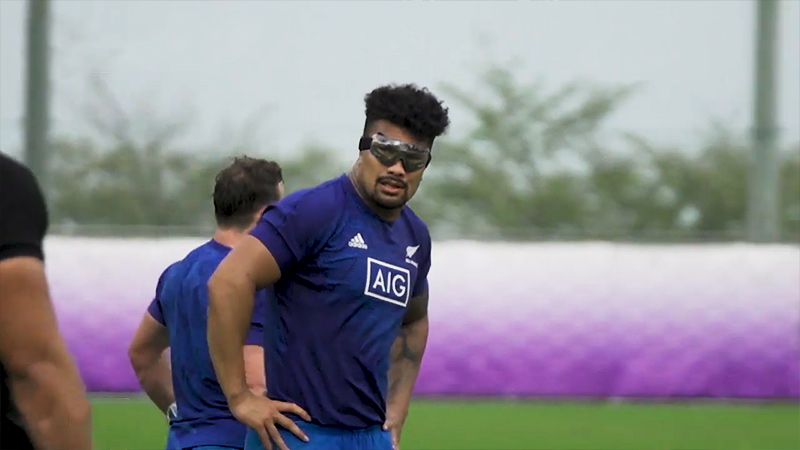
Spectacle wearing is not allowed in rugby union, which means players are at risk of eye injuries. There are numerous types and sizes of eye protection available to protect players from injury.
Players should always wear protective gear when playing rugby union because there’s a lot of potential for serious injury if they don’t take precautions. Eye protection can be expensive, but it’s worth it to avoid getting injured during playtime or practice sessions.
Can You Wear Glasses While Playing Rugby?
You are not allowed to wear spectacle wearing while playing rugby union. This includes glasses, contact lenses and any other type of eyewear. Players are at risk of eye injuries when they play the sport without protective gear that can protect them from impact and injury.
There are numerous types and sizes of eye protection available to players so make sure to choose something that is fit for your needs. Eye protection should be worn at all times, even during practice sessions so you don’t put yourself or others in danger by accidently injuring your eyesight during practice sessions or games.
Always consult with a medical professional before starting or continuing any sports activity if you have concerns about your vision safety.
Spectacle Wearing Is Not Permitted
Yes, you can wear glasses while playing rugby if they are medically necessary. Wearing spectacles is not permitted in any other sport but it is allowed in rugby because of the physicality of the game.
If your glasses get broken during play, make sure to take them off so that you don’t injure yourself further. Contact your team doctor or coach if you have any questions about whether or not wearing glasses during rugby is safe for you and your teammates。 Always consult with a medical professional before making any decisions about modifying your health routine.”
Players Are At Risk Of Eye Injuries
Yes, players are at risk of eye injuries while playing rugby. To prevent these injuries, wear protective eyewear whenever you play the sport. If you get an injury to your eyes during a game, don’t hesitate to go to the hospital for treatment.
Make sure that all members of your team are wearing safety gear and glasses when they play rugby so everyone is protected from eye injuries. Always heed warning signs from referees or coaches if you see someone in danger on the field – don’t put yourself in jeopardy by taking risks.
Rugby Union Requires Protective Gear To Protect Players From Injuries
Yes, you can wear glasses while playing rugby union. Protective gear like helmets, pads and goggles are necessary to protect players from injuries. Wearing glasses during play will help keep your vision clear and minimize the chances of eye injury in the event of a collision or fall.
Be prepared for vigorous physical activity by wearing comfortable clothing that fits well and has sleeves to protect arms from impact blows . If you have any questions about whether protective gear is necessary for your sport or if you need prescription lenses, speak with your doctor before starting play.
There Are Numerous Types And Sizes Of Eye Protection Available
Yes, you can wear glasses while playing rugby if they’re prescription-style eyeglasses and the lenses are protected by a safety shield. There are numerous types and sizes of eye protection available to fit any need or budget.
Make sure to choose the right type of eye protection for your sport and lifestyle – sunglasses may not be suitable for play in direct sunlight, for example. Always check with your coach before game day to make sure that you’re wearing the appropriate protective gear – failure to do so could result in serious injury.
Remember: safety first – don’t forget to protect your eyes during sports activities.
Can you wear glasses while playing sports?
Yes, you can wear glasses while playing sports if they’re properly fitted. Wearing glasses during activity will help protect your eyes from potential injury.
Sport Can Be Enjoyed With or Without Glasses
Many people enjoy playing sports despite having vision problems. Some professional athletes often wear glasses or contact lenses in their sport to protect their eyes from damage. If you have normal vision, wearing appropriate sports gear can help prevent injury and improve your performance.
Vision Problems May be Managed with Proper Care and Treatment
If you have any type of vision problem, it is important to seek proper care and treatment from a qualified doctor or optometrist who can prescribe the correct eyewear for your specific needs. By taking these steps, you can manage most vision problems so that they do not interfere with your enjoyment of sports.
Appropriate Sports Gear Can Help Prevent Injury
When choosing the right equipment for your sport, make sure to look for items which will protect you from injury while also allowing you to perform at your best level. For example, skating helmets are designed to reduce head injuries while baseball batting gloves offer protection against blisters and scrapes on the hands.
Can you play rugby with goggles?
Rugby is a dangerous sport and can be very hazardous if not done correctly. Players wear protective gear, including goggles to help keep them safe when they are tackling or running across the pitch. However, even with these precautions in place, accidents do happen.
If you have ever been injured playing rugby, it’s important to seek medical attention as soon as possible so that you can start your healing process. If you experience blurred vision or headaches after playing rugby, it is also worth seeing an eye doctor for further evaluation.
Playing rugby with goggles can provide some protection from injury. It also enhances your vision and may help improve your performance on the field. However, if you have any medical conditions which would make wearing goggles harmful or uncomfortable, then it is best to avoid playing rugby while wearing them.
Can you wear contact lenses in rugby?
Yes, you can wear contact lenses in rugby. However, be sure to talk to your eye doctor first to make sure that they are safe for playing rugby and also fit properly.
Different Sports Have Their Own Restrictions
Rugby is a sport that involves contact with other players, and as such, different sports have their own restrictions on what type of contact lenses can be worn. In some cases, soft contact lenses are allowed while in others protective eyewear must always be used.
Soft Contact Lenses Are Allowed In Some Cases
Depending on the sport, certain types of contacts are generally allowed while others are not. For example, football allows for soft contacts but rugby does not allow them at all due to the amount of physical activity involved in the game.
Protective Eyewear Is Always Recommended
Regardless of whether or not you wear soft contact lenses during your sport, it is always recommended that you use protective eyewear to avoid any injuries caused by collisions or falls. This includes glasses and goggles for athletes who play football or rugby respectively.
Don’t Try To Fix Things That Aren’t Broken.
If something goes wrong with your eyes during your sporting event- even if it’s because you’re wearing soft contact lenses- don’t try to fix things that aren’t broken. Trying to adjust your lens yourself may cause further damage and could even lead to blindness if done incorrectly.
What do athletes with glasses do?
Athletes with glasses are able to see clearly without having to worry about dirt or other debris getting in their eyes. They do not offer all-around vision support, but they better protect athletes from seeing things coming from their sides.
Glasses can be a hindrance during athletic competitions, as they may make it difficult for competitors to see what is happening on the field or track.
How do sports players keep their glasses on?
Some sports players like to keep their glasses on while they play. This is because it can be hard to see the ball if you take them off. Some people also wear glasses for protection against the sun and other light sources.
- Sports players use a variety of techniques to keep their glasses on during play. Some common methods include using anti-slip wax, keeping the glasses close to their nose when working out, and not playing with the gear too much.
- If your sports frames are made of plastic or other materials that can easily break, it is important to keep them as close to your face as possible while you are working out in order for them not to break. Additionally, do not twist or turn the frame unnecessarily while wearing it; this can also cause it to crack or shatter.
- When taking off your lenses for any reason, be sure that you do so slowly and gently so as not to damage them further and lose vision altogether. Also remember never put your empty glass back on: instead place it facedown onto a soft surface where others won’t step on it (like a towel), then remove the lens from top side first before placing bottom side back into position onto front of lens case/frame
- Lastly, always store your sports equipment safely away from children and pets – they may knock things over which could result in serious injury if ingested.
To Recap
There is no definitive answer to this question, as it depends on the type of rugby you are playing and your personal fitness level. If you wear glasses, make sure they are securely fastened in case of a collision.
Finally, always be aware of your surroundings and take appropriate safety precautions when playing rugby.