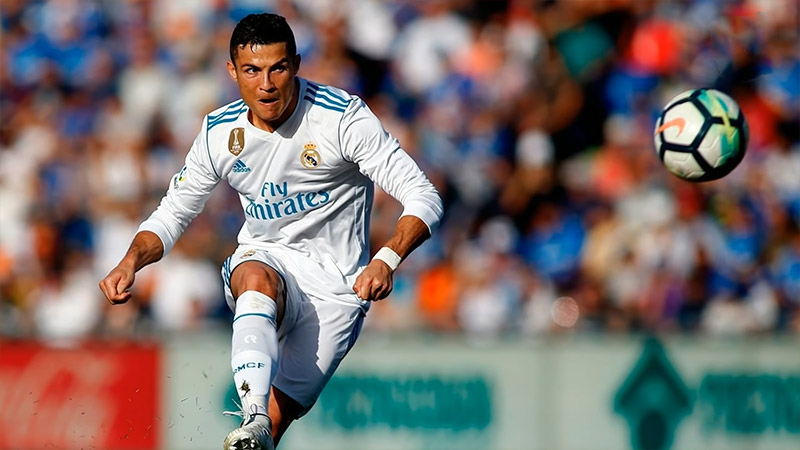
In the world of high-performance sports, few figures command as much attention, scrutiny, and respect as Cristiano Ronaldo.
While his physical prowess and scoring records are often the primary focus of media coverage, a deeper analysis reveals that his greatest contribution to the game—and perhaps his most enduring legacy—is his unique approach to leadership.
Known as “The Ronaldo Standard,” his style offers a blueprint for anyone seeking to lead teams in high-pressure environments, whether on the pitch or in the boardroom.
What makes Ronaldo a good leader is not a single trait but a synergy of relentless work ethic, high emotional intelligence, and an uncompromising lead-by-example mentality.
This blog post explores the pillars of his leadership and how these principles can be applied to achieve peak performance in any field.
Leading by Example: The Foundation of Self-Mastery
The most visible aspect of Ronaldo’s leadership is his commitment to self-mastery. Many leaders demand excellence from their teams without first embodying those standards themselves. Ronaldo flips this hierarchy.
The Power of the “First In, Last Out” Mentality
At nearly 40 years of age, an age where most professional athletes have long since retired, Ronaldo remains at the pinnacle of physical fitness.
This is not a result of luck or genetics alone; it is the product of an ultra-strict diet, recovery, and training regimen.
By maintaining these standards, he eliminates any room for entitlement within his team. When the most decorated player in the squad is also the most disciplined, it creates an unspoken mandate: if the leader is doing the work, everyone else must follow.
Authenticity Through Dedication
Leadership is often about perceived authority, but for Ronaldo, authority is earned through constant dedication.
He proves that elite performance requires a “lead-by-example” mentality, which serves as a silent but powerful tool to inspire teammates to raise their own personal standards.
In a professional setting, this translates to the “Ronaldo Standard”—a refusal to settle for mediocrity and a commitment to personal growth as the primary means of influencing others.
2. High Accountability: Owning the Critical Moments
A defining characteristic of a great leader is the willingness to take responsibility when the stakes are highest. Many individuals can lead when things are going well, but true leadership is forged in the crucible of high-pressure situations.
Thriving Under Pressure
Ronaldo does not shy away from the spotlight; he thrives on it. Whether it is taking a deciding penalty or leading a late-game comeback, he takes full responsibility during critical moments. This high accountability drives both himself and his team toward victory.
By stepping forward when others might hesitate, he provides a psychological safety net for his teammates, allowing them to perform with the knowledge that their leader is willing to bear the heaviest burdens.
The Accountability Loop
Accountability in the Ronaldo Standard is two-fold:
- Personal Accountability: Owning one’s performance and preparation.
- Collective Accountability: Driving the team to win by taking the lead in “must-win” scenarios. This brand of leadership ensures that the team remains focused on the objective, regardless of the external noise or the difficulty of the task at hand.
3. The “Prove Them Wrong” Mentality: Transforming Adversity into Fuel
Mental toughness is the engine of the Ronaldo Standard. Throughout his career, Ronaldo has faced immense criticism and public doubt, yet he has consistently used these external pressures to his advantage.
Adversity as a Catalyst
Rather than being diminished by criticism, Ronaldo uses it to fuel his motivation. This “prove them wrong” mentality is essential for any leader navigating a competitive landscape.
He thrives on adversity, using every setback as an opportunity to adapt his game and keep outperforming his opponents.
Adaptability and Longevity
Leadership also requires the ability to evolve. Ronaldo’s career longevity is a testament to his mental toughness; he has successfully adapted his style of play over decades to remain effective.
For leaders in the business world, this highlights the importance of resilience and the ability to pivot when the environment changes. By viewing challenges not as obstacles but as fuel for growth, leaders can maintain a competitive edge over a long career.
4. Inspirational Influence and Vocal Leadership
While some leaders prefer to lead quietly, Ronaldo is a vocal presence who actively shapes the environment around him. He understands that to maximize a team’s potential, a leader must be willing to demand excellence.
Pushing the Collective Standard
Ronaldo is known as a vocal leader who demands high standards from his teammates. This is not about being critical for the sake of it; it is about pushing individuals to maximize their own potential.
By setting a high bar for everyone in the organization, he ensures that the collective performance never dips below a certain threshold.
The Role of Emotional Intelligence (EQ)
Effective vocal leadership requires more than just shouting instructions; it requires high emotional intelligence.
Ronaldo uses his passion and intense focus to connect with his teammates, pushing everyone around him to achieve peak performance. He understands when to demand more and when to provide the necessary support to keep the team’s morale high.
5. Mentorship: Building the Next Generation of Champions
A leader’s success is often measured by the success of those they leave behind. Despite his intense personal focus, Ronaldo has demonstrated a significant commitment to mentorship and the development of younger talent.
Supporting Younger Players
As a captain, Ronaldo has been noted for his ability to encourage and support younger players. This mentorship takes many forms, from offering technical advice to simply boosting team morale through positive reinforcement. By investing in the growth of his teammates, he ensures the long-term sustainability of the team’s success.
Creating a Culture of Excellence
Mentorship within the Ronaldo Standard isn’t just about one-on-one coaching; it’s about fostering a culture where excellence is expected and supported.
When a leader of his stature takes the time to mentor others, it sends a clear message: the team’s collective goals are just as important as individual accolades.
6. The Psychological Edge: Passion and Intense Focus
At the core of Ronaldo’s leadership style are three psychological pillars: passion, intense focus, and high emotional intelligence.
- Passion: His visible love for the game acts as a contagion, sparking similar enthusiasm in his teammates.
- Intense Focus: His ability to remain laser-focused on the goal, regardless of distractions, provides a clear roadmap for the team to follow.
- High EQ: His ability to read the room and manage the emotional state of the team allows him to be a more effective motivator.
These traits combined create a leadership style that is both demanding and inspiring, pushing every individual in his orbit to strive for their personal best.
Conclusion: Implementing the Ronaldo Standard
What makes Ronaldo a good leader is his refusal to separate his personal standards from his leadership duties.
By mastering himself, embracing accountability, and turning adversity into an advantage, he has created a template for elite leadership that transcends football.
To implement the Ronaldo Standard in your own professional life, consider these actionable takeaways:
- Audit your self-discipline: Are you setting the pace for your team through your own work ethic?
- Seek out accountability: Do you step up in critical moments to support your team?
- Reframe criticism: Are you using feedback and adversity as fuel for improvement?
- Invest in mentorship: Are you actively helping the next generation of leaders in your organization?
Ultimately, leadership is about influence, and Ronaldo’s influence is rooted in a relentless pursuit of excellence that inspires everyone around him to achieve their peak performance.