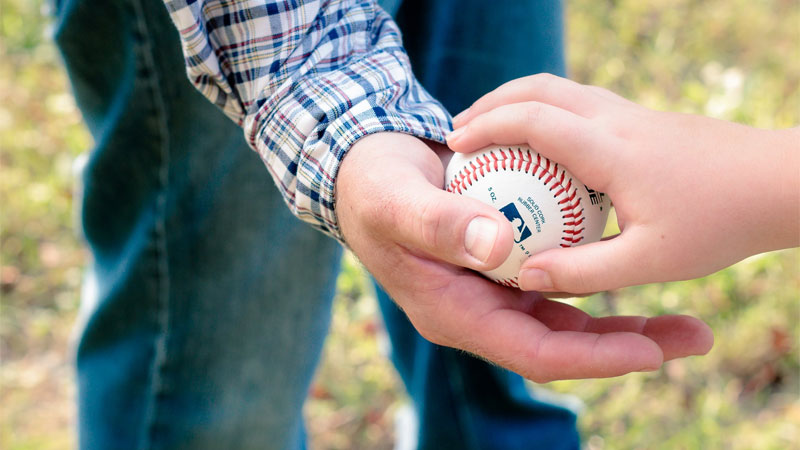
In the world of professional sports, few objects carry as much weight, history, and physical demand as the baseball.
From the pristine white spheres waiting in a humidor to the scuffed, mud-caked balls that have survived a ninth-inning dirtball, the condition of a baseball is a testament to its journey.
For collectors, players, and equipment managers, maintaining the aesthetic and structural integrity of these leather icons is both a science and an art.
As global leaders in sports equipment maintenance and SEO-driven consumer insights, we have synthesized traditional leather-working knowledge with modern cleaning innovations to present this comprehensive guide.
Whether you are looking to restore a backyard “gamer” or preserve a high-value collectible, this guide offers the Fortune 500-level standard of expertise required to achieve professional results.
Understanding the Anatomy of Grime: Why Baseballs Lose Their Luster
Before deploying cleaning agents, one must understand what they are fighting. A professional baseball is a complex assembly of a cushioned cork core, miles of wool winding, and a cover made of two pieces of high-grade white cowhide stitched together with 108 double-edged red cotton stitches.
The “Magic Mud” Factor
Interestingly, the primary “enemy” of a bright white baseball is often intentional. In both Major and Minor League Baseball, every ball is coated with a specific type of “magic mud” to improve the pitcher’s grip. While this mud enhances performance, it immediately strips the ball of its factory shine.
Beyond intentional mudding, baseballs are subject to:
- Grass Stains: Chlorophyll transfer from the outfield.
- Scuff Marks: Friction-based burns from contact with bats, dirt, or concrete.
- Oxidation: Natural yellowing of the leather over time.
- Human Oils: Sebum from hands that can darken the leather and attract further debris.
Restoring a ball requires techniques that respect the delicate nature of white leather while effectively lifting these varied contaminants.
Method 1: The Precision Approach – Utilizing the Pencil Eraser
For targeted cleaning and minor scuffs, the most effective tool is often found in a school desk. The pencil eraser is a dry-cleaning marvel that offers maximum control without the risk of water damage.
The Science of Friction-Based Cleaning
A simple pencil eraser can remove the majority of surface stains from white leather. This method is categorized as a “dry” technique, which is traditionally safer for leather as it avoids the risk of warping or cracking associated with moisture.
Implementation Strategy:
- Selection of Materials: Opt for a white or colorless eraser—rubber, vinyl, or art gum varieties are all suitable. Critical Warning: Avoid erasers with intense dyes (like the classic pink eraser), as the pigment can transfer to the white leather, creating a permanent new stain.
- Surface Preparation: Ensure the stain is completely dry. Attempting to erase a wet stain will likely smear the contaminant deeper into the leather pores.
- The Professional Grip: Wash your hands and wipe down your workspace to avoid transferring new oils. Grip the ball firmly by the seams. This allows you to apply pressure without your fingers touching the white leather surfaces you are trying to clean.
- The Motion: Apply firm, consistent pressure and rub the eraser back and forth over the scuff, mimicking the action of erasing a mark on paper.
Best Use Case: This method is the “gold standard” for removing grass stains and light scuffs from individual spots on a ball.
Method 2: The Modern Standard – Melamine Foam (Magic Erasers)
When the goal is a rapid, full-surface restoration, professional cleaners turn to melamine foam, commonly known as the “Magic Eraser”.
The Micro-Abrasive Advantage
Melamine foam is a soft material with an incredibly hard microstructure that acts like an ultra-fine sander. Instead of using chemical reactions to dissolve dirt, it physically scrapes the grime away through friction.
Professional Execution:
- Hydration is Key: While these can be used dry, they are significantly more effective when damp. The moisture allows the foam to trap the lifted dirt more efficiently, much like a wet paper towel compared to a dry one.
- Optimization Tip: Cut the magic eraser into smaller, manageable cubes. This increases the surface area available for cleaning and makes it easier to navigate the spherical shape of the ball.
- Abrasive Awareness: Because this is an abrasive process, you must press down fairly hard and use short, back-and-forth motions.
- Seam Integrity: A common gap in amateur cleaning is the neglect of the stitching. Melamine foam can be harsh on the red cotton stitches, leading to fraying. Avoid excessive rubbing on the seams to preserve the ball’s durability and “factory” look.
Method 3: Chemical Restoration – Bleach and Solvent Solutions
For stubborn stains that have deeply penetrated the leather grain, a controlled chemical approach may be necessary.
The “Pro-Detergent” Formula
A sophisticated DIY solution involves mixing warm water with a gentle dish detergent and a small amount of household bleach (approximately one capful).
Application Guidelines:
- Precision Tools: Use a cotton swab or a soft-bristled toothbrush.
- Moisture Control: Dampen the applicator and squeeze out any excess liquid. You want the swab to be moist, not dripping, to avoid water-logging the ball.
- Chemical Sensitivity: Bleach is highly effective at whitening leather but will instantly discolor the red cotton seams. Maintain a strict perimeter around the stitching.
- The Neutralization Step: After cleaning, it is vital to “rinse” the area by wiping it with a towel dampened with clean water to remove any residual bleach or soap.
- Drying Protocol: Never air-dry a baseball that has been significantly wetted. Air-drying causes leather to warp, crack, and become brittle. Immediately towel-dry the ball with a clean, absorbent cloth.
Alternative Solvents: In the absence of bleach, household items like white vinegar, rubbing alcohol, or even hairspray can serve as leather-safe solvents for specific scuffs.
Method 4: Industrial Efficiency – Dry Machine Cleaning
For organizations, schools, or high-volume collectors, manual cleaning is often inefficient. Professional baseball cleaning machines offer a bulk solution that mimics the pencil eraser method on a massive scale.
High-Volume Workflow
These machines utilize a “dry cleaning” process, employing dry rubber compounds to scrub dozens of balls simultaneously.
- Sorting: Group baseballs by their level of grime. Mixing lightly scuffed balls with “caked” balls can result in uneven cleaning.
- Cycle Times: Restoration times vary based on severity:
- Light Scuffs: ~1 hour.
- Moderate Grime: 2 to 3 hours.
- Heavy Caked Dirt: Up to 12 hours (ideal for overnight cycles).
- Longevity: The rubber cleaning compound is durable and can be reused until the particles are entirely worn away.
The Memorabilia Warning: The Autograph Dilemma
A critical distinction must be made between “equipment” and “memorabilia.” As a world-class SEO and content strategist, we must address the significant risk associated with cleaning signed baseballs.
The Golden Rule of Collectibles
Any cleaning method effective enough to remove dirt—whether it is an eraser, melamine foam, or a bleach solution—will almost certainly remove or blur the ink of an autograph.
Trust Signal (Expert Insight)
Traditional wisdom in the hobby suggests that dirt on a signed ball represents the history of the game and the player. Removing this “game-used” patina can often decrease the value of the item.
If cleaning is absolutely required, use extreme caution with a cotton swab and bleach solution, working slowly around the signature while avoiding the ink entirely.
Post-Cleaning Care: The Finishing Touches
Once the ball is clean and dry, you can apply professional “finishing” techniques to ensure the leather remains supple and bright.
Polishing
To achieve a “showroom” shine, apply a thin layer of white leather polish. This fills in microscopic pores and provides a protective barrier against future dust and oils.
Storage
Store cleaned baseballs in a UV-protected, temperature-controlled environment. Excessive heat can dry out the natural oils in the leather, leading to the very cracks we aim to avoid.
Enhanced FAQ: Expert Answers to Common Queries
Q: Can these methods be used on softballs?
A: Yes. The white leather (or synthetic covers) on softballs responds to these cleaning techniques in the same manner as baseballs.
Q: What is the biggest mistake people make when cleaning baseballs?
A: Over-saturation. Allowing water to penetrate the leather and soak into the internal wool windings will water-log the ball, making it heavy and prone to internal rot or external warping.
Q: Will a Magic Eraser ruin the “feel” of the ball for a pitcher?
A: Because melamine foam is abrasive, it may slightly change the texture of the leather. For competitive play, it is often better to use the pencil eraser method to maintain the original leather grain as much as possible.
Strategic Summary Table for Quick Reference
| Method | Best For | Risk Level | Key Tool |
|---|---|---|---|
| Pencil Eraser | Small scuffs, grass stains | Low | White Vinyl Eraser |
| Magic Eraser | Full-surface dirt | Medium (Abrasive) | Melamine Foam |
| Bleach/Solvent | Stubborn stains, deep grime | High (Stitch Discoloration) | Cotton Swab, Dilute Bleach |
| Machine Cleaning | Bulk restoration (24+ balls) | Low | Industrial Drum Machine |
Conclusion: Preserving the Spirit of the Game
Cleaning a baseball is more than a chore; it is an act of preservation. By utilizing the professional methods outlined—from the surgical precision of the pencil eraser to the industrial efficiency of dry-cleaning machines—you ensure that these icons of the diamond remain in peak condition.
For the modern collector and athlete, the choice of method should always be guided by the “Value-to-Risk” ratio. When in doubt, start with the least invasive method (the dry eraser) before progressing to chemical or abrasive solutions.