Feet are the foundation of every skating session. They absorb impact, control balance, and translate subtle body movements into smooth glides or powerful strides.
When foot pain starts creeping in, performance drops and enjoyment fades quickly. Many skaters—whether on inline skates, roller skates, or ice skates—experience aching arches, throbbing toes, burning heels, or cramping mid-session.
Understanding why this happens is the first step toward skating comfortably and confidently.
Below is a detailed breakdown of the 15 common reasons your feet hurt when skating and exactly what you can do about it.
1. Skates That Don’t Fit Properly
Poor fit is the number one cause of foot pain in skating.
Skates that are too tight compress nerves, restrict circulation, and create pressure points. This can lead to numb toes, tingling sensations, or sharp pain along the sides of the foot.
Skates that are too loose allow your foot to slide around inside the boot. That constant friction causes blisters, instability, and muscle overuse as your feet work overtime to stay balanced.
Signs of a Bad Fit:
- Toes curling or cramping
- Heel lifting inside the boot
- Pain along the sides of the foot
- Red marks after skating
What to Do:
- Make sure your toes lightly brush the front without curling.
- Your heel should stay firmly in place.
- Try different brands—boot shapes vary widely.
- Consider heat-moldable liners if available.
A properly fitted skate should feel snug but not painful.
2. Lack of Arch Support
Skating places sustained pressure on the arches of your feet. Without proper support, the plantar fascia (the thick band of tissue under your foot) becomes strained.
Flat feet or high arches are especially prone to discomfort.
When arch support is lacking:
- The foot collapses inward (overpronation).
- Muscles fatigue faster.
- Heel and midfoot pain develop.
Solution:
- Replace stock insoles with supportive orthotic insoles.
- Choose insoles designed specifically for skating or high-impact sports.
- If pain persists, consult a podiatrist for custom orthotics.
Strong arch support can completely transform your comfort level.
3. Overtightening Your Laces
Many skaters lace their boots too tightly in an attempt to gain control.
While ankle stability is important, excessive tightness:
- Restricts blood flow
- Compresses nerves
- Causes numbness and cramping
A common symptom is the “pins and needles” feeling during a session.
Better Lacing Strategy:
- Keep the toe box slightly looser.
- Tighten gradually toward the ankle.
- Re-adjust after skating for 10–15 minutes as your foot settles.
Balanced lacing provides control without cutting off circulation.
4. Weak Foot Muscles
Skating engages small stabilizing muscles that don’t get much use in daily life. Beginners often experience soreness simply because these muscles aren’t conditioned yet.
Common symptoms:
- Arch fatigue
- Foot cramping
- Burning sensation after 20–30 minutes
Strengthen Your Feet With:
- Towel scrunch exercises
- Toe spreads
- Calf raises
- Short barefoot balance drills
As your intrinsic foot muscles strengthen, pain decreases significantly.
5. Overuse and Sudden Increase in Activity
Jumping from occasional skating to long sessions can shock your feet.
Your body adapts gradually to stress. Increasing duration or intensity too quickly causes inflammation and strain.
Warning signs:
- Dull aching after skating
- Morning heel stiffness
- Tender arches
Prevention:
- Increase skating time gradually.
- Take rest days.
- Stretch calves and plantar fascia after sessions.
Recovery is just as important as training.
6. Hard or Unsupportive Boot Construction
Some skate boots prioritize style over support. Thin padding or rigid materials can create hot spots.
Roller skates designed for aesthetics may lack the structural support needed for longer sessions. Similarly, entry-level inline skates may have minimal cushioning.
Consider Upgrading If:
- Pain persists despite a proper fit.
- Padding compresses quickly.
- The boot feels overly stiff in pressure areas.
A higher-quality boot often includes better ankle support and shock absorption.
7. Improper Skating Technique
Foot pain sometimes stems from how you skate.
Common technical mistakes include:
- Leaning too far forward (puts pressure on toes)
- Leaning back (strains arches)
- Gripping toes inside boots
- Locking knees
Good skating posture distributes weight evenly.
Ideal Position:
- Knees slightly bent
- Core engaged
- Weight centered over midfoot
Relaxing your toes inside the boot also reduces tension.
8. Blisters and Friction
Friction from repetitive movement causes skin irritation.
Blisters usually develop from:
- Loose boots
- Thin socks
- Seams rubbing against skin
Prevention Tips:
- Wear moisture-wicking skating socks.
- Avoid cotton.
- Use blister tape or moleskin in high-friction areas.
- Ensure a snug fit.
Once blisters form, rest until healed to prevent infection.
9. Plantar Fasciitis
Persistent heel or arch pain may indicate plantar fasciitis.
This condition involves inflammation of the plantar fascia and often causes:
- Sharp heel pain in the morning
- Pain after long skating sessions
- Tenderness under the foot
Treatment:
- Stretch calves daily.
- Ice your heel after skating.
- Wear supportive footwear off-skates.
- Use arch-supporting insoles.
Ignoring it can lead to chronic discomfort.
10. Nerve Compression (Skate Bite or Lace Bite)
Ice skaters often experience “lace bite,” where tight laces press into tendons at the front of the ankle. Inline and roller skaters can also experience nerve compression across the top of the foot.
Symptoms:
- Tingling
- Numbness
- Shooting pain
Solutions:
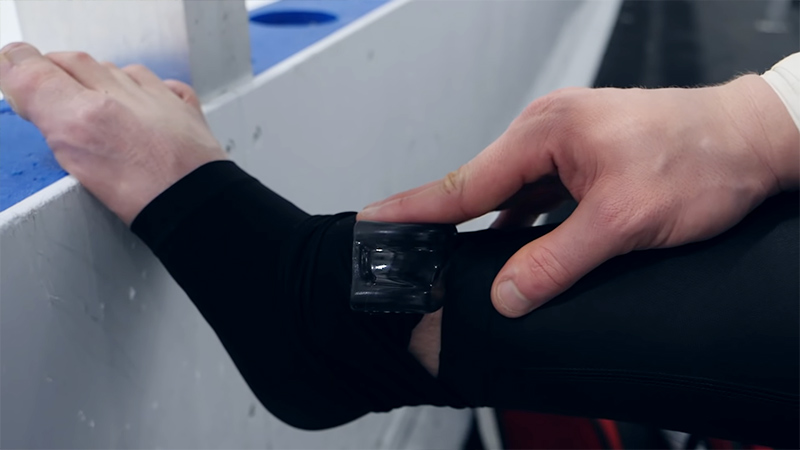
- Use gel lace pads.
- Adjust lacing pressure.
- Try different lacing patterns to relieve pressure points.
Nerve pain usually improves quickly once pressure is reduced.
11. Cold Conditions (Ice Skating)
Cold temperatures reduce circulation and make feet feel stiff or painful.
Skating indoors at rinks or outdoors in winter can cause:
- Numb toes
- Aching arches
- Reduced flexibility
Prevent Cold-Related Pain:
- Wear thermal skating socks.
- Keep skates dry.
- Warm up before stepping on ice.
Warm muscles and joints function better.
12. Shock and Impact From Surfaces
Outdoor skating on rough pavement increases vibration and impact.
Hard landings during tricks or jumps also send force directly into your feet.
Shock force relates to motion and deceleration. When your body mass changes velocity quickly, force increases.
Greater acceleration (like sudden stops or landings) increases force, which your feet must absorb.
Reduce Impact Stress:
- Bend knees when landing.
- Choose smoother surfaces.
- Use shock-absorbing insoles.
- Upgrade to wheels designed for your terrain.
Proper technique minimizes force transfer.
13. Incorrect Wheel Setup (Inline Skates)
Wheel hardness and size influence shock absorption.
- Hard wheels = more vibration.
- Softer wheels = better cushioning.
- Larger wheels = smoother roll over cracks.
Using the wrong setup for your skating style can increase foot fatigue.
Match your wheels to:
- Indoor rink skating
- Outdoor pavement
- Aggressive skating
- Speed skating
14. Dehydration and Cramping
Foot cramps can occur from electrolyte imbalance or dehydration during long sessions.
Symptoms:
- Sudden arch tightening
- Toe spasms
- Muscle locking
Stay hydrated before and during skating, especially in warm environments.
15. Your Body Is Still Adapting
New skaters often experience foot soreness simply because skating activates muscles differently than walking or running.
Unlike walking, skating involves lateral pushes and continuous stabilization. That sustained tension builds endurance gradually.
Most beginners notice improvement after 2–4 weeks of consistent skating.
How to Relieve Foot Pain After Skating
Immediate Relief:
- Remove skates promptly.
- Elevate feet.
- Ice sore areas for 15–20 minutes.
- Gently stretch arches and calves.
Ongoing Care:
- Roll foot over a massage ball.
- Strengthen foot muscles.
- Replace worn insoles.
- Rest when pain signals overload.
Pain that persists for weeks may require medical evaluation.
When to See a Professional
Consult a podiatrist or sports medicine specialist if you experience:
- Severe swelling
- Persistent numbness
- Sharp stabbing heel pain
- Pain that worsens over time
Chronic foot pain is not something to ignore.
Final Thoughts
Foot pain while skating usually comes down to one or more factors: poor fit, weak support, overuse, technique issues, or equipment setup. Small adjustments—better insoles, smarter lacing, improved posture, or gradual training increases—often make a dramatic difference.
Skating should feel powerful and freeing, not painful. Paying attention to what your feet are telling you helps prevent minor discomfort from turning into long-term injury. With the right setup and care, you can glide longer, stronger, and far more comfortably.