In the modern landscape of professional rugby union, success is often dictated not by the flair of the backline, but by the physical dominance and tactical discipline of the forwards.
At the heart of this physical confrontation sits the Number 6, known as the blindside flanker.
This position serves as the team’s primary physical anchor, a player whose work is often grueling and selfless, yet absolutely critical to the structural integrity of the side.
While many casual observers are drawn to the speed of the winger or the playmaking of the fly-half, the blindside flanker is the “enforcer” who ensures those players have the space and possession to operate.
This guide provides an exhaustive analysis of the role, the physical requirements, and the tactical intelligence required to master one of rugby’s most demanding positions.
Defining the Role: The Invisible Architecture of the Team
The blindside flanker is one-third of the back-row unit, operating alongside the openside flanker (Number 7) and the Number 8. Together, these three players must function with a high degree of synergy to secure possession and disrupt the opposition.
However, the Number 6 has a distinct identity characterized by physicality and defensive responsibility.
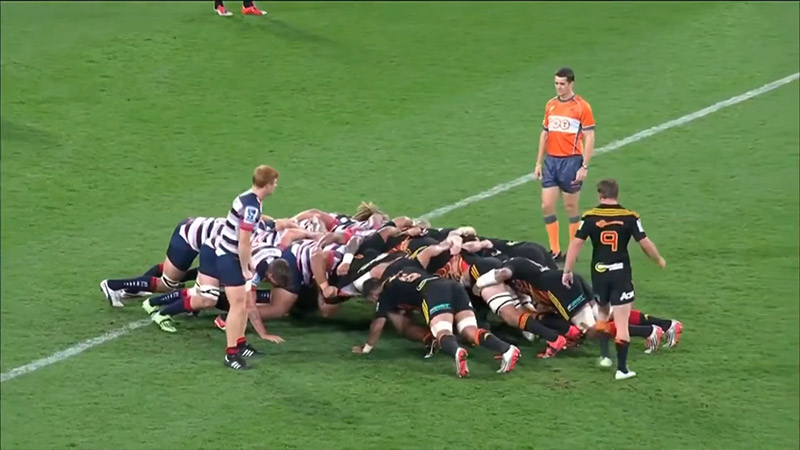
The “blindside” itself refers to the narrow side of the pitch—the area between a set-piece (like a scrum) and the nearest touchline. While the openside flanker is often tasked with “hunting” the ball across the wide expanse of the field, the blindside flanker is the guardian of the short side, ensuring that the opposition cannot exploit the lack of numbers in that tight channel.
The Core Philosophy of the Number 6
A world-class blindside flanker is defined by a “work-first” mentality. They are responsible for the heavy tackling and aggressive rucking that allows a team to dictate the tempo of a match.
Their primary objective is to make life difficult for the opposing team, using their size and strength to act as a human roadblock.
Tactical Defensive Responsibilities: Guarding the Gate
Defense is the hallmark of the Number 6. In a professional environment, defensive structures are built around the expectation that the blindside flanker will win their individual physical battles.
1. Defending the Short Side
During a scrum, the blindside flanker is positioned on the “blind” side of the set-piece. This is a high-pressure zone. If the opposing Number 8 or scrum-half decides to break toward the narrow side, the Number 6 is the first line of defense.
They must possess the lateral quickness to react and the strength to stop a charging runner in a confined space, preventing them from turning the corner and gaining significant ground.
2. The Role of the Physical Enforcer
The term “enforcer” is not used lightly in rugby. The blindside flanker is expected to deliver impact tackles.
These are not merely “wrap-and-hold” tackles; they are dominant collisions intended to drive the attacker backward, stalling the opposition’s momentum and potentially forcing a turnover.
By consistently winning the “gain line” battle on defense, the Number 6 creates a psychological edge for their team.
Offensive Utility: Making the “Hard Meters”
While the Number 6 is a defensive specialist, their contribution to the offensive phase is equally vital, focusing on high-density areas of the pitch.
1. Ball Carrying in Tight Spaces
When a team is looking to build phases, they often need a player to carry the ball directly into the heart of the opposition’s defensive line.
The blindside flanker excels at ball carrying in tight spaces. Unlike a center who might look for a gap, the Number 6 is tasked with driving straight into defenders to gain “tough meters”. These carries are essential for:
- Committing multiple defenders to a single tackle.
- Creating a stable platform for the next phase of play.
- Wearing down the physical reserves of the opposition pack.
2. Rucking and Secure Possession
In the modern game, the breakdown is a battlefield. The blindside flanker is often the first player to arrive at a breakdown, tasked with clearing out opponents or securing possession.
This requires immense core strength and a low center of gravity to “remove” threats and protect the ball for the scrum-half.
Without the efficient “clean-out” work of the Number 6, the team’s attacking rhythm would quickly dissipate.
The Physical Profile of a Number 6
To meet these tactical demands, the physical profile of a blindside flanker is specialized. While there is room for variation based on team strategy, certain traits are non-negotiable.
Size and Power
Generally, the blindside flanker is larger and more physically imposing than their counterpart on the openside. This extra mass is necessary for the heavy collisions they face in the “tight” of the game. They need the leg drive of a second-row forward but the mobility of a back-rower.
Endurance and Work Rate
Despite their size, the Number 6 must possess an extraordinary work rate. Professional matches are played at an incredible pace, and a flanker who fades in the final twenty minutes becomes a liability.
They need the endurance to stay active across the entire pitch, transitioning from a defensive tackle to an offensive ruck within seconds, repeatedly, for the duration of the match.
Comparing the Back-Row: The 6 vs. The 7
A common point of confusion for new fans is the difference between the two flankers. While both are “flankers,” their roles are complementary rather than identical.
- The Number 6 (Blindside): Focuses on power, short-side defense, and heavy rucking. They are the “anchor.”
- The Number 7 (Openside): Focuses on speed, ball-stealing (jackalling), and linking play. They are the “hunter.”
A balanced team requires the blindside’s brute force to complement the openside’s agility. If the Number 7 is the scalpel, the Number 6 is the sledgehammer.
The Modern Evolution: The Blindside as a Lineout Option
In the contemporary professional era, the role of the Number 6 has expanded to include a significant contribution to the lineout.
Because blindside flankers are typically tall and strong, they serve as a critical third jumping option alongside the two locks.
Winning your own lineout ball and disrupting the opposition’s throw is a key metric for success.
A Number 6 who can jump effectively adds a layer of complexity to the team’s set-piece strategy, making it harder for the defense to predict where the ball will be delivered.
Training and Preparation for the Position
Becoming a world-class blindside flanker requires a specialized approach to conditioning and skill development.
1. Strength and Conditioning
Training for a Number 6 focuses on “functional power.” This includes:
- Compound Lifts: Squats, deadlifts, and power cleans to build the explosive power needed for tackling and carrying.
- Core Stability: Essential for maintaining a strong position in the ruck and resisting the “clear-out” attempts of opposing forwards.
- High-Intensity Interval Training (HIIT): To simulate the “stop-start” nature of rugby and build the stamina required for a high work rate.
2. Technical Skill Set
Beyond physical attributes, the player must hone specific technical skills:
- Tackle Technique: Learning to “drive through” the contact to ensure the attacker is neutralized.
- Ruck Entry: Mastering the “gate” entry to avoid penalties while effectively removing opposition threats.
- Reading the Game: Developing the tactical IQ to anticipate where the opposition will attack, especially on the blindside.
The Psychological Edge: The Mentality of the Enforcer
Playing Number 6 is as much about mindset as it is about physical ability. It is a position for players who embrace contact and take pride in doing the “unseen work.”
A great blindside flanker finds satisfaction in a perfectly executed ruck clearance or a dominant tackle that changes the momentum of a game.
They must be resilient, as the physical toll of the position is immense. This “hard-nosed” mentality is often what inspires the rest of the forward pack to elevate their own intensity.
Conclusion: The Heartbeat of the Team
The Number 6 position—the blindside flanker—is the embodiment of rugby’s core values: teamwork, toughness, and tactical discipline. They are the players who do the heavy lifting, ensuring that the team remains solid under pressure and assertive in attack.
Whether they are stopping a powerhouse runner on the narrow side, driving through a ruck to protect the ball, or making the hard meters into the teeth of the defense, the blindside flanker is indispensable.
For any team aspiring to reach the pinnacle of the sport, finding a player who can combine the size of a lock with the engine of a flanker is the key to unlocking consistent success.