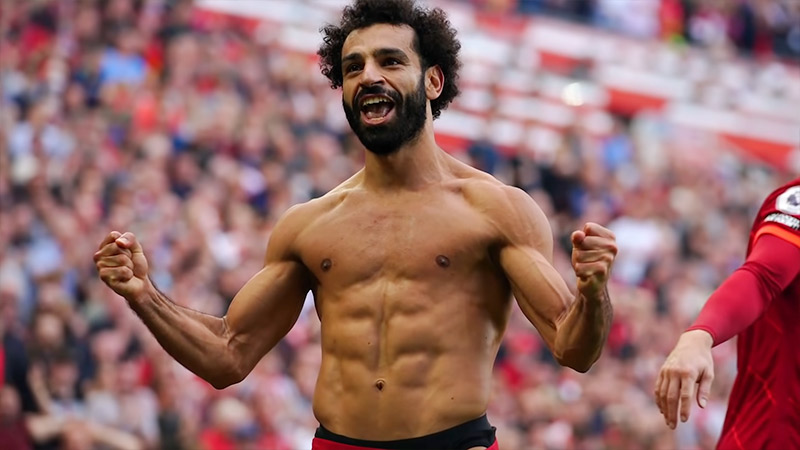
For decades, the soccer world was governed by a persistent myth: that lifting weights would make a player “bulky,” slow, and rigid.
Modern sports science has thoroughly dismantled this misconception, proving that a targeted strength program is no longer optional—it is a requirement for the elite level.
Today’s game is faster and more physical than ever, demanding athletes who possess explosive power and resilience.
Integrating resistance training into a player’s regimen is the most effective way to improve speed, boost explosiveness, and drastically reduce the risk of debilitating injuries that could otherwise sideline a promising career.
The Strategic Shift: Why Strength is the New Standard
The transition from purely aerobic training to a holistic athletic approach has redefined the modern player. Historically, coaches feared that hypertrophy—the growth of muscle size—would compromise a player’s agility.
However, functional strength training focuses on Neuromuscular Efficiency rather than just aesthetics.
By teaching the nervous system to recruit more muscle fibers simultaneously, players can produce greater force without necessarily adding significant body mass.
This shift allows athletes to maintain their lean profile while gaining the strength necessary to dominate on the pitch.
Understanding the Rate of Force Development
One of the primary reasons soccer players should lift weights is to improve their “rate of force development.”
In a sport defined by split-second reactions, the ability to generate maximum power in the shortest possible time is the difference between winning a 50/50 ball and being a step too late.
Weightlifting trains the fast-twitch muscle fibers used during sprinting and jumping, ensuring that every stride is more powerful and every leap is higher.
Enhancing Physicality and Ball Retention
Soccer is a contact sport where shielding the ball and winning tackles are essential skills. Strength training provides the physical foundation needed to withstand challenges from opponents.
A strong upper body and core allow a player to maintain their center of gravity under pressure, ensuring they aren’t easily knocked off the ball during intense physical duels.
The Injury Prevention Pillar: Safeguarding Your Career
The most compelling argument for weightlifting in soccer is its impact on longevity and health.
Statistics show that a structured strength training program can reduce on-field injuries by an impressive 60%. This is a massive return on investment for any athlete looking to reach the professional level.
By strengthening the connective tissues—tendons and ligaments—lifting creates a “protective armor” around the joints most vulnerable to the high-intensity movements of soccer.
Protecting the ACL and Lower Extremities
Knee injuries, particularly ACL tears, are a significant concern in soccer due to the constant pivoting, cutting, and sudden deceleration.
Lifting weights strengthens the muscles surrounding the knee, such as the quadriceps and hamstrings, which act as stabilizers. This increased stability significantly lowers the risk of non-contact ligament tears.
Ankle Stability and Resiliency
Ankle sprains are among the most common injuries in the sport. Through unilateral (single-leg) exercises often found in a weightlifting program, players improve their proprioception and the strength of the ligaments supporting the ankle joint.
This ensures that even when landing on uneven turf or during a mistimed tackle, the joint is better prepared to handle the stress without failing.
The Blueprint: Essential Exercises for Soccer Athletes
A soccer-specific lifting program should prioritize functional movements over traditional bodybuilding isolation exercises. The goal is to build an athlete, not just a muscle.
By focusing on multi-joint movements, players develop “transferable strength”—power that translates directly from the gym to the match.
- Lower Body Power:
- Barbell Squats: These are the gold standard for developing overall lower body power and driving force into the ground.
- Deadlifts: Critical for posterior chain health, deadlifts strengthen the hamstrings and glutes, which are the primary engines for sprinting.
- Bulgarian Split Squats: Since soccer is played mostly on one leg (running, kicking, jumping), unilateral exercises are vital for single-leg stability and correcting muscle imbalances.
- Core Stability and Rotational Power:
- Planks: Essential for building a static core that can withstand impact.
- Rotational Work: Exercises like Woodchoppers or Russian Twists help players stabilize their torso when absorbing force while kicking or changing direction.
- Upper Body Integrity:
- Pull-ups and Rows: These exercises build a strong back, which is necessary for maintaining posture and balance during a 90-minute match.
- Push-ups: A fundamental movement for upper body strength used in shielding and holding off opponents.
Periodization: Integrating Strength into the Soccer Calendar
The biggest challenge for most players is knowing when and how much to lift. A “one-size-fits-all” approach does not work in a sport with a grueling competitive schedule.
Periodization—the systematic planning of athletic training—is required to ensure that a player is strong but not fatigued when it matters most.
The Preseason: Building the Foundation
The preseason is the optimal time for high-intensity strength building. During this phase, players should aim for 2–3 sessions per week.
The focus here is on “Maximum Strength”—lifting heavier loads to build the baseline power that will be maintained throughout the year.
Because there are no league matches, the body has more time to recover from the central nervous system fatigue associated with heavy lifting.
The In-Season: Maintaining the Edge
Once the competitive season begins, the goal shifts from “building” to “maintaining.” To avoid overtraining and ensure match-day freshness, players should scale back to approximately 1 session per week.
This maintenance session keeps the muscles primed and the joints protected without the high volume that causes excessive soreness.
Off-Season Recovery and Hypertrophy
The off-season offers a brief window to address specific weaknesses or add necessary lean muscle mass. This is often the time when players focus on “hypertrophy” or corrective exercises to fix imbalances that may have developed during the long season.
Maximizing Longevity and Metabolic Health
Weight training offers biological benefits that extend far beyond the pitch. Regular resistance training improves bone mineral density, making the skeletal system more resistant to fractures.
Furthermore, it enhances metabolic function, allowing the body to process energy more efficiently. This metabolic efficiency is crucial for maintaining peak performance late into the second half, where fatigue often leads to mistakes and injuries.
| Benefit | Impact on Soccer Performance | Long-term Value |
|---|---|---|
| Increased Bone Density | Better resistance to contact injuries. | Reduced risk of osteoporosis later in life. |
| Metabolic Boost | Improved energy utilization during matches. | Easier body composition management. |
| Tendon Strength | Faster recovery from explosive sprints. | Prevention of chronic issues like tendonitis. |
| Hormonal Balance | Improved recovery through better testosterone/cortisol ratios. | Enhanced mood and mental focus. |
Professional Standards: Prioritizing Safety and Form
While the benefits of lifting are clear, the execution must be flawless to avoid setbacks. For any athlete, but especially younger players, technique must always precede weight.
Lifting with poor form not only reduces the effectiveness of the exercise but can actually increase the risk of the very injuries the player is trying to prevent.
The Role of a Qualified Coach
Especially when starting, working with a strength and conditioning coach is highly recommended. A professional can ensure that the “Soccer Athlete’s Blueprint” is followed correctly, adjusting the volume and intensity based on the player’s age, position, and training history.
Consistency Over Intensity
The most successful athletes are not those who lift the heaviest once a month, but those who are consistent year-round. Strength is a slow-burn adaptation. It takes weeks of consistent stimulus for the body to build the neurological and structural changes required for elite performance.
Frequently Asked Questions About Soccer and Weightlifting
Will lifting weights make me slower?
No. In fact, it will likely make you faster. Speed is a byproduct of how much force you can drive into the ground. By increasing your strength-to-weight ratio through functional movements, you improve your ability to accelerate and maintain top-end speed.
When is the best time of day to lift?
For most players, lifting in the morning or early afternoon is ideal, as it leaves several hours for recovery before evening team training sessions.
If you must lift on the same day as soccer practice, ensure you prioritize the most important session of the day—usually the on-field work.
At what age should soccer players start lifting?
While heavy maximal lifting should wait until physical maturity, bodyweight strength and functional movement patterns can begin at a young age. This builds the coordination and “movement literacy” required for more advanced programs later in their career.
How do I balance lifting with cardio?
Lifting should complement your cardio, not compete with it. During the season, your on-field training provides the necessary aerobic and anaerobic conditioning.
Your gym work should focus strictly on strength and power to balance the high-volume running done during matches.
Conclusion: Take Control of Your Development
The evidence is clear: the modern soccer player must be a complete athlete. Integrating a functional strength program into your routine is the fastest way to bridge the gap between “good” and “elite.”
By focusing on movements that improve your rate of force development, protecting your joints through targeted resistance training, and adhering to a professional periodization schedule, you position yourself at the top of the competitive hierarchy.
The blueprint is simple: prioritize form, stay consistent throughout the seasons, and treat your strength training as a long-term investment in your career.
Whether you are a youth player looking to make the varsity team or a professional seeking to extend your longevity, lifting weights is the key to unlocking your full potential on the pitch.
Do not let the myths of the past hold back your future performance. Start your journey into functional strength today and experience the difference in every sprint, tackle, and goal.