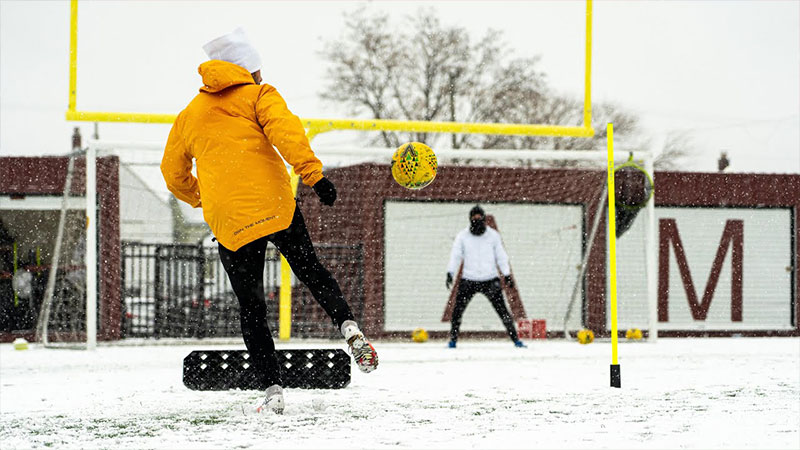
Determining whether soccer is a winter sport requires a look beyond the local pitch to the diverse schedules of the global stage.
While the sport is played year-round in various formats due to its immense popularity, it is widely classified as a winter sport because the world’s most prominent professional leagues operate during the colder months.
This designation is often a point of confusion for fans in North America or Scandinavia, where the climate dictates a different approach.
Understanding this global calendar involves analyzing historical traditions, regional climatic adaptations, and the strategic shifts currently reshaping the professional landscape.
The European Influence: Defining the Professional Standard
In the landscape of professional athletics, the European model serves as the primary benchmark for the sport’s seasonal identity.
The most watched and financially dominant leagues—including the English Premier League, Spain’s La Liga, and the German Bundesliga—traditionally begin their campaigns in August and conclude the following May.
This schedule ensures that the bulk of the competitive season, including the most intense title races and knockout stages, occurs throughout the winter months.
Historical Foundations in British Education
The roots of the winter classification are found in the 19th-century British school system. During the 1800s, soccer was re-established in these institutions specifically to provide a rigorous physical alternative for students during the winter.
At the time, summer months were strictly reserved for sports like cricket, making soccer the designated activity for the colder half of the academic year.
This historical precedent established a seasonal divide that the professional game eventually adopted and exported globally as the sport grew.
Alignment with the International Transfer Market
The August-to-May cycle is not merely a matter of tradition; it is a strategic logistical choice that facilitates the global transfer market.
By operating on a winter-dominant schedule, European clubs align their “off-season” with the summer months, providing a window for high-profile international tournaments and player movements.
This synchronization allows for a cohesive global ecosystem where players can move between top-tier clubs without missing significant portions of their respective domestic seasons.
The Olympic Paradox: Grass vs. Snow
One of the most frequent points of confusion regarding soccer’s seasonal status stems from its role in the Olympic Games.
Despite most professional leagues being classified as winter entities, soccer is officially recognized as a Summer Olympic sport. This distinction is based entirely on the playing surface rather than the calendar.
The International Olympic Committee classifies sports based on whether they are contested on grass or on ice and snow; because soccer is played on grass, it remains a pillar of the Summer Games.
Analyzing Regional Variations and Climatic Adaptations
The “soccer season” is far from a monolith. Because the sport is played in nearly every nation on Earth, leagues must adapt to local environments to ensure player safety and pitch quality. In many regions, the traditional European “winter” schedule is physically impossible due to extreme weather conditions.
The following table outlines how major regions categorize their seasons based on local climates and strategic goals:
| Region / League | Typical Start | Typical End | Primary Classification |
|---|---|---|---|
| Major European Leagues | August | May | Winter |
| MLS (Current Model) | February/March | December | Summer/Fall |
| MLS (Starting July 2027) | July | May | Winter-dominant |
| Scandinavia (Norway/Sweden) | March | November | Spring/Autumn |
| Japan (J1 League) | February | December | Summer/Fall |
| Brazil (Serie A) | May | December | Winter (Southern Hem.) |
Challenges in Northern Latitudes
In Northern Europe, specifically in countries like Norway, Sweden, and parts of Russia, playing through the deep winter is often unfeasible.
To avoid the most extreme sub-zero temperatures and heavy snowfall, these nations typically run their leagues from March to November.
This “spring-to-autumn” cycle ensures that matches are played in the best possible conditions for both the athletes and the spectators, even if it means being out of sync with the major European leagues.
The Southern Hemisphere Perspective
In the Southern Hemisphere, the seasons are inverted, adding another layer to the “winter sport” definition. In Brazil, for instance, the Serie A season typically runs from May to December.
While this aligns with the calendar year, it actually places the core of the competition during the Southern Hemisphere’s winter months.
This allows clubs to avoid the oppressive heat of the South American summer, which can pose significant health risks to players during high-intensity matches.
The Strategic Evolution of Major League Soccer
North American soccer is currently in the midst of a historic transformation regarding its seasonal identity.
Historically, Major League Soccer (MLS) has operated on a “summer” calendar, with the season beginning in late February or early March and concluding with the MLS Cup in December.
This was originally intended to avoid direct competition with the NFL and to take advantage of warmer weather in northern markets.
The 2027 Transition to Winter-Dominant Play
In a significant move to align with the global market, MLS is transitioning to a “Summer-to-Spring” schedule beginning in July 2027.
This change will shift the league toward a winter-dominant calendar that ends in May, mirroring the structure of the top European leagues.
This transition is expected to improve the league’s standing in the global transfer market and provide a more consistent schedule for players who also represent their national teams in international windows.
Balancing Climate and Commercial Interests
The shift to a winter-dominant schedule in North America presents unique challenges, particularly for teams in cold-weather cities like Toronto, Chicago, and Minneapolis.
To manage this, the league will likely utilize a mid-winter break, a common feature in leagues like the Bundesliga.
By pausing play during the coldest weeks of January, the league can maintain its “winter” status while mitigating the logistical hurdles of extreme ice and snow.
Logistical and Biological Impacts of the Winter Calendar
Operating as a winter sport requires significant infrastructure and a focus on player wellness. In the professional tier, the demand for high-quality grass pitches in cold climates has led to the widespread adoption of undersoil heating systems and advanced turf management. These technologies allow leagues like the Premier League to maintain consistent playing surfaces even when ambient temperatures drop below freezing.
The Importance of the Mid-Winter Break
For leagues that play through the winter, the “mid-winter break” is a critical component of the season. Many European and Middle Eastern leagues incorporate a short hiatus to allow players to recover from the physical toll of competing in cold, damp conditions.
This break is essential for reducing injury rates and ensuring that the quality of play remains high during the final stretch of the season in the spring.
Player Physiology in Cold Weather
From a performance standpoint, soccer athletes must adapt their training and recovery for winter play. Cold temperatures require longer warm-up periods to prevent muscle strains, and hydration remains a priority even without the visible sweat associated with summer heat.
The professionalization of the sport has led to specialized nutrition and apparel strategies designed specifically to keep players at peak performance levels during the winter months.
Frequently Asked Questions
Is soccer played in the snow at the professional level?
Yes, professional soccer is frequently played in the snow, provided the pitch remains playable and the lines are visible (often cleared and repainted in bright orange). However, extreme conditions that threaten player or fan safety will result in match postponements.
Why do some leagues still prefer a summer schedule?
Leagues in regions with extremely harsh winters, such as Scandinavia or parts of North America, often prefer a summer-based schedule to maximize attendance and ensure the best possible pitch conditions.
Does the winter schedule affect the World Cup?
While the World Cup is traditionally a summer event, the 2022 tournament in Qatar was moved to November and December to avoid extreme summer heat, effectively making it a “winter” World Cup. This required a major temporary adjustment to the schedules of winter-dominant leagues worldwide.
Conclusion: A Global Sport with Local Nuance
Ultimately, whether soccer is a winter sport depends entirely on where you are standing. Culturally and professionally, the sport is defined by the winter cycles of Europe and the Middle East, where the most prestigious trophies are contested between August and May.
However, the sport’s true strength lies in its adaptability. From the summer-to-autumn leagues of Japan to the upcoming winter-dominant shift in North America, soccer proves it can thrive in any season.
As the global calendar continues to evolve and synchronize, the “winter sport” label will likely become even more prevalent, unifying the world of soccer under a common competitive timeline.