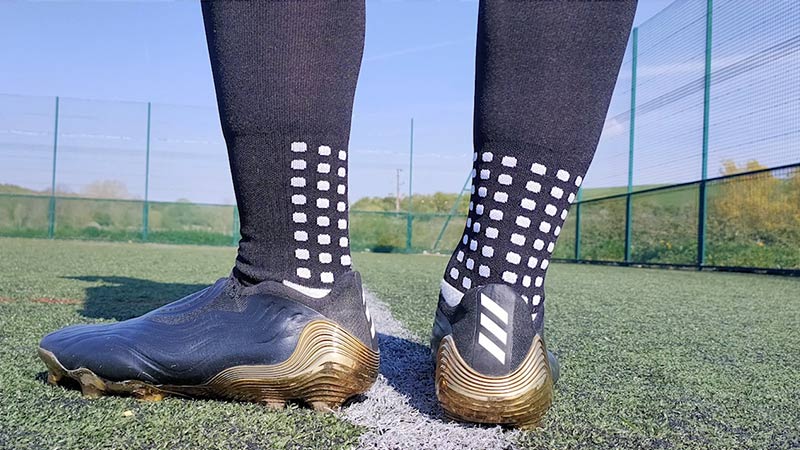
When a referee steps onto the pitch, every piece of equipment serves a vital function in match management. While the whistle and cards are iconic symbols of authority, footwear is the foundation of an official’s physical performance.
Professional soccer referees often cover six to eight miles per match, demanding a balance between traction, comfort, and professional regulations.
The question of whether these officials wear traditional cleats involves understanding the intersection of FIFA guidelines and surface-specific needs.
This comprehensive guide explores the standards governing referee footwear, the types of shoes permitted, and how top-tier officials maintain their edge across various field conditions.
The Official Verdict: Do Referees Wear Cleats?
The short answer is yes: soccer referees can and frequently do wear cleats. However, unlike players who are almost always seen in traditional boots, referees have a broader range of options depending on the environment and the level of the match.
While FIFA regulations allow for significant flexibility, the choice is never arbitrary.
FIFA and Association Guidelines
Official regulations from global bodies like FIFA do not mandate a single type of shoe. Instead, they provide a framework that allows for running shoes, turf shoes, or traditional cleats.
This flexibility is essential because referees operate across a wide spectrum of environments, from the pristine grass of a World Cup stadium to the weathered artificial turf of a local community center.
Most professional officials will lean toward footwear that ensures high-level traction, especially when the stakes of the match require them to be in perfect proximity to the action.
The Influence of Personal Preference
Beyond the rulebook, personal preference plays a massive role in what an official chooses to wear. Some referees prioritize the “locked-in” feel of a soccer boot, which allows for aggressive pivoting and sprinting.
Others, particularly those working multiple assignments in a single day, may prioritize the dampening of impact provided by specialized running or turf shoes.
The goal is to remain inconspicuous yet physically capable of following every play without the risk of a slip that could lead to a missed call.
Categorizing Footwear: From Grass to Turf
Referees typically choose their shoes based on the specific surface they are officiating to ensure both safety and performance. Below is a breakdown of the primary footwear categories utilized by modern match officials.
| Footwear Type | Ideal Surface | Primary Advantage | Traction Profile |
|---|---|---|---|
| Traditional Cleats | Natural Grass (Wet/Soft) | Maximum grip and stability | High (Molded Studs) |
| Turf Shoes | Artificial Turf / Hard Ground | Impact absorption and joint relief | Medium (Small Studs) |
| Running/Trail Shoes | Dry Grass / Youth Complexes | Superior arch support and comfort | Low (Tread Pattern) |
- Cleats (Soccer Boots): These are the preferred choice for natural grass fields, particularly when conditions are soft or wet. They allow the referee to maintain footing during sudden accelerations.
- Turf Shoes: Featuring numerous small rubber studs, these are designed for artificial turf or hard-packed grass. They offer more cushioning than traditional cleats, which is a critical factor for reducing foot fatigue during long tournament days.
- Running or Trail Shoes: Many grassroots and youth referees opt for black running shoes because they provide extra support and comfort compared to the stiff construction of many performance cleats.
Mandatory Standards for Competitive Officiating
Regardless of whether a referee chooses a running shoe or a professional boot, they must adhere to strict aesthetic and safety standards enforced by associations like the USSF.
These rules ensure that the officiating crew maintains a professional and neutral presence on the field.
The Strict “Predominantly Black” Mandate
The most visible requirement for referee footwear is color. In the professional and competitive landscape, shoes must be predominantly black.
While modern players often wear flashy, neon, or multi-colored boots, referees are expected to remain understated.
High-visibility colors or white cleats are generally considered unacceptable at any competitive level. This standard helps distinguish the officials from the players and reinforces their role as neutral arbiters of the game.
Safety Regulations and the Metal Spike Ban
Safety is a non-negotiable aspect of the referee’s kit. Just like the players they supervise, referees are strictly prohibited from wearing shoes with metal spikes or any features that could endanger others on the pitch.
This rule prevents unnecessary injuries during accidental contact. Officials are expected to use molded plastic or rubber studs that provide traction without posing a laceration risk to players.
Professionalism and Visual Integrity
Officiating is as much about perception as it is about rules. Most major referee associations require that footwear be kept clean and in good condition to maintain a professional appearance.
A referee who shows up with mud-caked shoes or footwear with visible holes undermines their own authority before the match even begins.
The discipline of maintaining one’s gear is often seen as a reflection of the discipline the official will bring to the match itself.
The Biomechanics of Referee Movement
Understanding why a referee might choose one shoe over another requires a look at the physical demands of the job. A center referee does not move like a striker or a defender; their movement is constant, varied, and largely reactive.
Linear vs. Lateral Demands
While players engage in high-intensity duels and frequent lateral cutting to beat an opponent, referees primarily engage in linear running interspersed with diagonal shifts to maintain a clear line of sight.
This means that while they need traction, they also need a shoe that supports the repetitive “pounding” of the turf.
The cushioning found in turf shoes or high-end running shoes can mitigate the risk of stress fractures and plantar fasciitis, which are common among veteran officials.
Distance and Endurance Factors
In a high-level 90-minute match, a referee may cover significantly more distance than the average player. This endurance requirement makes weight a critical factor.
A heavy, traditional leather boot like the Adidas Copa Mundial—while a classic choice for its comfort and all-black look—can become heavy when wet.
Modern synthetic cleats or lightweight turf shoes have gained popularity because they reduce the energy expenditure required to maintain a high work rate into the final minutes of a match.
Environmental Factors and Field Management
A world-class official is always prepared for the environment. Often, this means carrying multiple pairs of shoes to a single match site. The conditions of the field can change rapidly due to weather or the quality of the groundskeeping.
Adapting to Saturated Grass
On a rain-slicked natural grass pitch, a referee wearing running shoes is a liability. The lack of deep traction can lead to slips, which not only looks unprofessional but can also result in the referee being out of position for a critical decision.
In these instances, the traditional cleat is the only viable option. The molded studs provide the necessary “bite” to allow the official to stay in the play.
The Challenges of Artificial Turf and Heat
Artificial turf presents the opposite problem. These surfaces often have high friction and can retain heat. A traditional cleat with long studs can feel uncomfortable on turf, leading to “stud pressure” on the sole of the foot.
This is why turf-specific shoes are the preferred tool for synthetic pitches. They provide enough grip to prevent slipping but are designed with a flatter profile that distributes the official’s weight more evenly across the surface.
Expert Maintenance for Match Officials
To satisfy the requirements of being “clean and in good condition,” referees should adopt a standard maintenance routine for their footwear. Pro-level care not only keeps you looking the part but also extends the life of your investment.
- Debris Removal: After every match, use a soft-bristled brush to remove grass, mud, and rubber pellets from the studs.
- Safe Drying: Never place cleats in a dryer or near a radiator. This can cause the materials to shrink or crack. Instead, stuff them with newspaper and let them air-dry at room temperature.
- Leather Conditioning: If you use classic leather boots, apply a black leather conditioner or polish. This preserves the “predominantly black” look while keeping the leather soft and water-resistant.
- Sole Inspection: Regularly check the studs for uneven wear. Worn-down studs can lead to slips and potential injury.
Frequently Asked Questions
Are referees required to wear Adidas Copa Mundials?
No, while they are a classic and popular choice among professionals for their comfort and all-black design, they are not a requirement. Referees are free to choose any brand as long as the shoe is predominantly black and safe for use.
Can I wear trail runners for youth matches?
Yes. Many grassroots and youth officials prefer trail runners or black running shoes because they provide more support and comfort for officiating multiple games in a single day compared to stiff cleats.
Why can’t I wear white or neon shoes?
Associations require predominantly black footwear to maintain a neutral, professional appearance that does not distract from the game or the players.
Conclusion: Elevating Your Game Through Your Gear
Choosing the right footwear is a foundational skill for any serious soccer official. By understanding the balance between the traction of a cleat, the cushioning of a turf shoe, and the comfort of a runner, you can tailor your gear to the specific demands of your match.
Always remember to prioritize the predominantly black standard and ensure your shoes are clean and safe for the pitch.
Whether you are just starting your journey as a grassroots official or aiming for the professional ranks, the right pair of shoes will keep you stable, comfortable, and ready to make the right call under pressure.