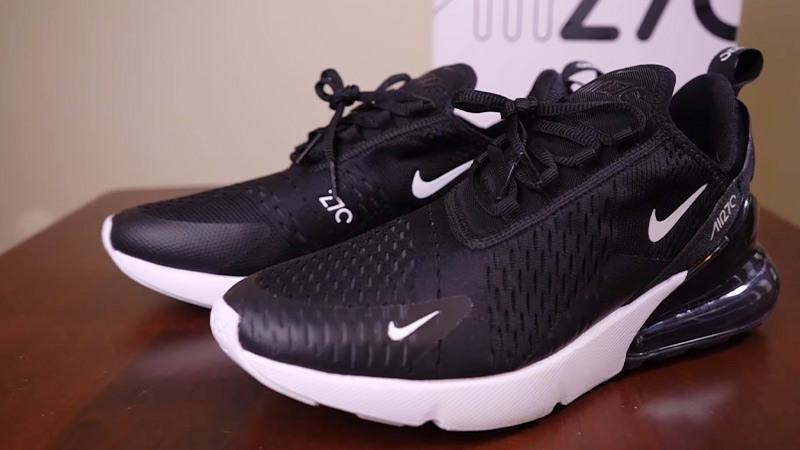
In the world of athletic footwear, few silhouettes have achieved the “street-style” icon status of the Nike Air Max 270.
With its massive, visible Air unit and sleek, modern design, it is a staple in gyms and on city streets alike.
However, a common question arises among players—from casual weekend warriors to competitive athletes: Can these lifestyle giants perform on the volleyball court?
While the aesthetic appeal is undeniable, the short answer is that Nike Air Max 270s are generally not recommended for volleyball.
Despite their popularity, there is a significant divide between a “lifestyle” shoe and a “performance” shoe. Below, we dive deep into the design, safety, and performance reasons why you might want to keep your 270s for the walk to the gym rather than the game itself.
Design Intent: Lifestyle vs. Performance
The most critical factor to understand when evaluating any shoe is its design purpose. The Nike Air Max 270 is categorized strictly as a lifestyle shoe intended for daily, casual use.
In footwear engineering, “lifestyle” means the shoe is optimized for linear movement (walking forward) and all-day comfort.
On the other hand, “performance” footwear is engineered to withstand the specific, high-intensity stresses of a particular sport.
Volleyball is a high-intensity sport that requires explosive jumping, rapid pivoting, and constant side-to-side (lateral) movements.
Because the Air Max 270 was not designed with these high-intensity athletic mechanics in mind, it fails to provide the structural integrity required for a competitive match.
The Stability Crisis: A Lack of Lateral Support
Volleyball is arguably one of the most lateral sports in existence. Whether you are a libero diving for a dig or a middle blocker closing a block, your feet are constantly moving side-to-side.
A major drawback of the Nike Air Max 270 is that it lacks the necessary lateral support for these specific movements. In a dedicated court shoe, the “upper” (the material covering the top of your foot) is often reinforced to keep your foot locked over the midsole during hard cuts.
Because the 270 is built for casual comfort, the materials are often too flexible or soft. Without this support, your foot can slide inside the shoe or over the edge of the sole, leading to a significant lack of ankle stability. This instability is a primary reason why they are deemed unsuitable for intense play.
Safety Risks: The “Heel-to-Toe” Hazard
One of the most defining features of the Air Max 270 is the oversized Air unit in the heel. While this provides excellent cushioning for walking, it creates a specific safety risk on the volleyball court.
- The High, Sloped Drop: The 270 features a high, sloped heel-to-toe drop. This design elevates your heel significantly higher than your toes.
- Increased Injury Risk: In a sport where you are constantly jumping and landing—often near other players’ feet at the net—this high center of gravity is dangerous. The indicate that this sloped design can increase the risk of ankle injury or rolling your foot, especially during rapid direction changes.
For volleyball, athletes generally need a “court feel”—a lower, more stable base that allows them to feel the ground and maintain balance during explosive transitions. The 270’s “tall” heel does the opposite, making the wearer more susceptible to “rolling” off the high Air cushion.
Impact on Athletic Performance: The “Unresponsive” Sole
Beyond safety, there is the question of performance. Does the shoe help you play better? In the case of the 270, the answer is likely no.
While the shoes offer good cushioning for impact absorption, that same cushioning can work against you in a game.
In a fast-paced sport, you need “energy return”—the ability of the shoe to bounce back quickly so you can make your next move. They note that the sole of the Air Max 270 may feel unresponsive compared to dedicated court shoes.
Cushioning vs. Traction
Traction is the “glue” that keeps a volleyball player from sliding into the net or failing to stop for a ball. Dedicated court shoes use specialized rubber compounds designed to grip dusty hardwood floors.
While the Air Max 270 provides comfort, it lacks the specialized traction found in footwear designed for the court.
Without high-grip traction, players may find themselves slipping during defensive transitions, which not only hampers performance but also adds to the risk of groin or ligament strains.
Better Alternatives: What Should You Wear?
If the Air Max 270 isn’t the right choice, what is? They are clear: it is highly recommended to use proper court shoes.
When shopping for volleyball footwear, look for:
- Volleyball-Specific Shoes: Brands like Asics, Mizuno, or Nike’s own “Hyperspike” line are built specifically for the sport’s vertical and lateral demands.
- Basketball Shoes: If you prefer the look of a Nike sneaker, many basketball shoes are excellent alternatives. They are designed for similar movements—jumping, lateral cutting, and quick starts—and offer the better stability, traction, and support that the Air Max 270 lacks.
Final Verdict
The Nike Air Max 270 is a triumph of lifestyle design, offering incredible comfort and a head-turning silhouette for your daily routine. However, the volleyball court is not where it belongs.
The combination of a high safety risk due to the sloped heel, a lack of lateral support, and an unresponsive sole makes it a poor choice for the sport.
To protect your ankles and play your best game, invest in a pair of dedicated court shoes that can actually keep up with your hustle. Save the 270s for the post-game celebration.