Ideal Water Temperatures for Swimming: What You Need to Know for Safety, Comfort, and Performance
Swimming is more than just a recreational activity; it’s a vital component of a healthy lifestyle, a competitive sport, and a powerful therapeutic tool.
Yet, a fundamental factor often overlooked, but critically important for maximizing your swimming experience and ensuring safety, is the water temperature.
Far from being a mere matter of preference, the ideal water temperature is a complex interplay of physiological needs, activity intensity, and environmental conditions.
Understanding these nuances is crucial for every swimmer, from competitive athletes to parents of toddlers, and those seeking aquatic therapy.
In this comprehensive guide, we delve into the science and recommendations behind optimal water temperatures, ensuring you are equipped with the knowledge to make informed decisions for your next dip.
We will explore the general guidelines, specific requirements for different age groups and activities, and crucially, the inherent risks associated with swimming in water that is either too cold or too hot.
What is a Good Water Temperature for Swimming?
For the majority of individuals, whether they are taking a casual dip or engaging in moderate activity, there exists a general sweet spot for water temperature.
A generally good water temperature for swimming is typically between 25.5°C and 28°C (78–82°F). This specific range is widely regarded as optimal because it provides an excellent balance of comfort and refreshment for most people.
Within this zone, the water feels neither too cold to cause an immediate shiver nor too warm to feel oppressive or sluggish.
It allows for sustained activity without the body having to work excessively hard to either warm up or cool down, making it an enjoyable and safe environment for a broad spectrum of swimmers.
Recommended Temperatures for Different Swimmers and Activities
The concept of a universally “ideal” water temperature quickly dissipates when accounting for the diverse needs of various swimmers and their activities.
Tailoring the water temperature to the specific individual and their purpose in the water is fundamental for an optimal, safe, and effective experience.
Competitive Swimmers
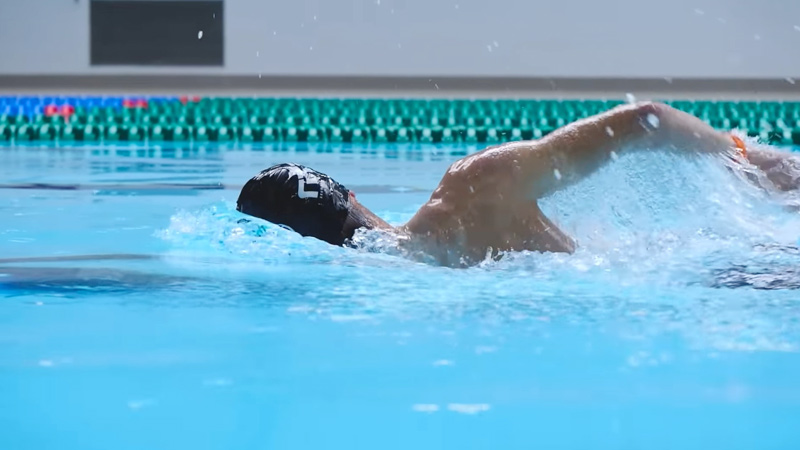
For competitive swimmers, whose training and racing demand peak physical output, temperature plays a critical role in performance and preventing heat-related issues. These athletes prefer a cooler temperature of around 25–27°C (77–81°F).
The rationale behind this preference is clear: maintaining a slightly cooler water environment helps to prevent overheating and dehydration during intense training or racing. During strenuous exercise, the body naturally generates a significant amount of heat.
In warmer water, this heat cannot dissipate as effectively, leading to an elevated core body temperature, which can impair performance, accelerate fatigue, and increase the risk of heat exhaustion.
Recognizing this physiological demand, international federations, such as FINA, rigorously regulate competition temperatures within this specific range to ensure fair play and swimmer safety. This disciplined approach underscores the direct link between water temperature and athletic success in competitive aquatic sports.
Children (Toddlers and Babies)
When it comes to the youngest swimmers, their physiological makeup dictates a need for significantly warmer water. Toddlers and babies possess less body mass compared to adults and consequently cool down much more quickly.
Their smaller size and higher surface area to volume ratio mean they are more susceptible to heat loss. To ensure their comfort and prevent them from getting too cold, which could lead to distress or even hypothermia, they are more comfortable in warmer water, around 29–31°C (84–88°F).
This warmer range helps maintain their core body temperature, making their swimming lessons or recreational splashing a more positive and safer experience.
For parents and guardians, being mindful of this recommendation is essential for the well-being of their little ones in the pool.
Seniors or Water Therapy
For seniors, individuals with chronic conditions, or those undergoing water therapy, warmer water offers substantial therapeutic benefits.
Water therapy, or hydrotherapy, leverages the buoyant and resistive properties of water to aid rehabilitation and pain management.
In these contexts, warmer water, specifically approximately 30–32°C (86–90°F), is particularly beneficial. This elevated temperature plays a crucial role in promoting physical comfort and healing.
It effectively helps to relax muscles and soothe stiff joints, which is especially advantageous for individuals managing conditions such as arthritis.
The warmth increases blood flow, reduces muscle spasm, and enhances flexibility, allowing for greater ease of movement and more effective therapeutic exercises without discomfort.
This targeted temperature provides a gentle, supportive environment that maximizes the therapeutic potential of aquatic activity.
Leisurely/Recreational Swimming
For the average recreational swimmer, whose primary goal is relaxation, enjoyment, or casual splashing, the water temperature contributes significantly to the overall experience.
Unlike the precise requirements of competitive swimming or the therapeutic needs of seniors, leisurely swimming calls for a temperature that simply feels pleasant and inviting.
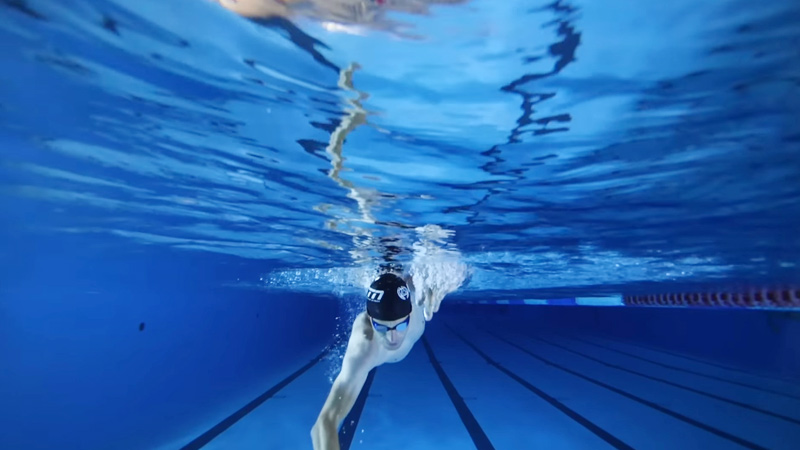
The average recreational swimmer will generally find a temperature of 26–29°C (79–84°F) to be enjoyable for relaxation and splashing around.
This range provides a comfortable medium, allowing individuals to unwind without feeling either too cold or too warm.
It facilitates prolonged enjoyment in the water, making it ideal for family fun, cooling off on a hot day, or simply de-stressing after a long week.
The focus here is entirely on comfort and satisfaction, ensuring the swimming experience is a delightful escape.
Risks of Swimming in Extreme Temperatures
While the benefits of swimming are widely acknowledged, ignoring water temperature can expose swimmers to significant health risks.
Both excessively cold and excessively warm water can pose serious dangers, transforming a seemingly innocuous activity into a hazardous one. Understanding these risks is fundamental for maintaining safety.
Too Cold
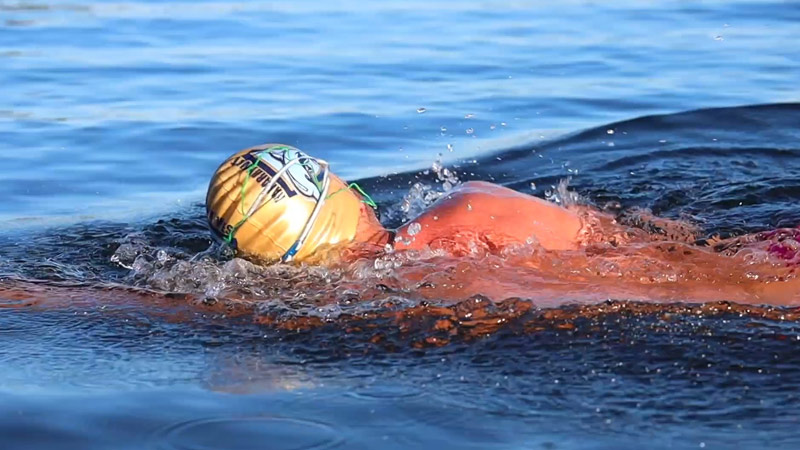
Swimming in water that is too cold can trigger a cascade of adverse physiological responses, some of which are immediate and life-threatening.
Danger Zone: Hypothermia: Temperatures below 21°C (70°F) should be treated with extreme caution, as prolonged exposure in such conditions can rapidly lead to hypothermia.
Hypothermia is a dangerous medical condition where the body loses heat faster than it can produce it, causing a dangerously low core body temperature.
Symptoms include shivering, confusion, slurred speech, and loss of coordination, ultimately impairing judgment and physical capability.
Cold Shock: Even more acutely dangerous are water temperatures between 10–15°C (50–60°F), which are known to trigger cold shock.
This involuntary physiological response is characterized by an uncontrollable gasp reflex, which can be immediately fatal if the swimmer’s head is submerged.
The sudden inhalation of water due to this reflex can directly lead to drowning, making cold shock one of the most immediate and severe dangers of cold water immersion.
Cardiovascular Strain: Colder water also imposes considerable stress on the cardiovascular system. It causes blood vessels to constrict, which in turn can increase heart rate and blood pressure.
For individuals with underlying heart conditions or even seemingly healthy individuals, this acute strain carries a significant risk of cardiac arrest in extreme cases.
The body’s sudden attempt to maintain core temperature by restricting blood flow and accelerating heart function can overwhelm the system, especially without proper acclimatization or existing vulnerabilities.
Too Hot
Conversely, water that is excessively warm also presents its own set of dangers, particularly during active swimming.
Overheating and Dehydration: Water that is too warm (specifically above 29°C or 84°F for active swimming) can hinder the body’s natural cooling mechanisms.
When immersed in warm water, the body struggles to dissipate the heat it generates through exercise, leading to a rapid increase in core body temperature.
This can cause your body to overheat and significantly increase the risk of dehydration as the body tries to cool itself through sweating, leading to excessive fluid loss.
Heat Exhaustion: Engaging in high-intensity activity in excessively warm water is inherently dangerous and significantly elevates the risk of developing heat exhaustion.
Symptoms include heavy sweating, faintness, dizziness, fatigue, and a rapid, weak pulse. If not addressed promptly, heat exhaustion can progress to heatstroke, a life-threatening medical emergency.
Bacteria Growth: Beyond the direct physiological risks to swimmers, higher temperatures in pools create an environment conducive to the proliferation of undesirable microorganisms.
Higher temperatures can accelerate the growth of bacteria and algae in the pool. This not only affects water clarity and quality but also increases the risk of skin infections, gastrointestinal illnesses, and other health issues for swimmers.
Proper chemical balance and filtration become even more critical in warmer pool environments to mitigate these risks.
Considerations for Open Water Swimming
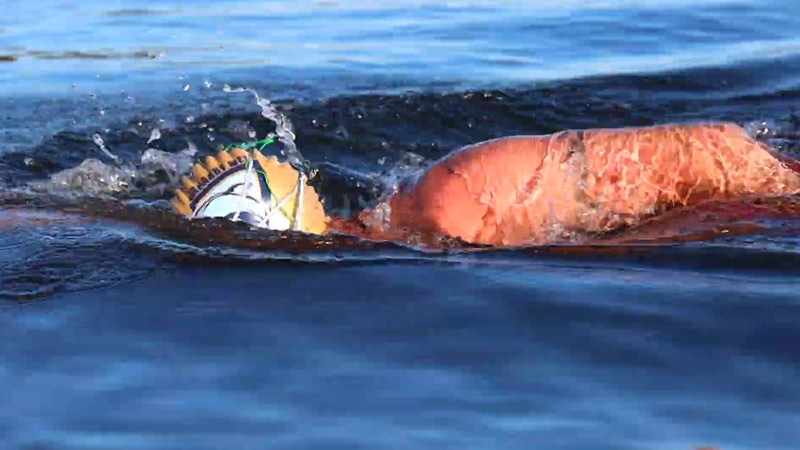
Unlike the carefully controlled environments of swimming pools, natural bodies of water such such as lakes, rivers, and oceans present a unique set of challenges and considerations when it comes to temperature.
These environments are inherently less predictable and subject to greater temperature fluctuations and risks. Therefore, special precautions are necessary to ensure safety and enjoyment.
Air Temperature vs. Water Temperature
One common misconception in open water swimming is to equate the comfort of warm air temperature with the safety of the water.
While a warm air temperature can indeed make cooler water more tolerable, it is crucial to remember that the water itself can still pose a risk of cold shock.
The body’s response to cold water is primarily dictated by the water temperature, not the surrounding air.
A sunny day might make a cold lake seem inviting, but the underlying water temperature could still be dangerously low, triggering the immediate and severe physiological responses described earlier.
Wearing a Wetsuit
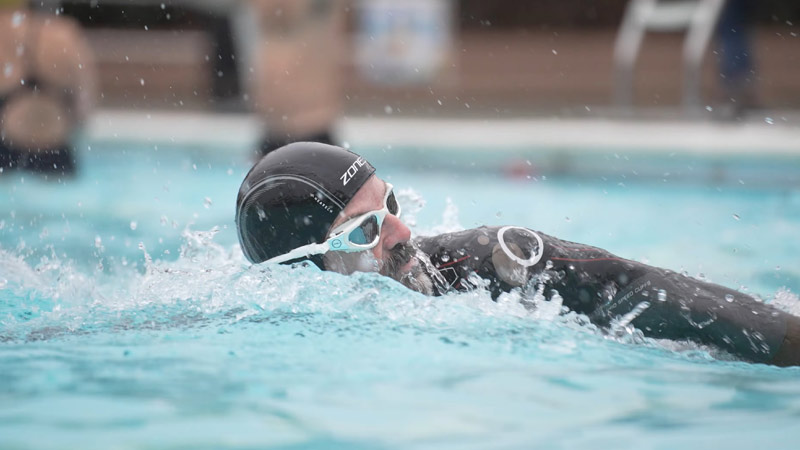
For those venturing into cool open water, protective gear is often a necessity. In cool open water environments, a wetsuit is frequently recommended to help maintain body temperature and prevent cold shock.
Wetsuits provide an insulating layer that traps a thin film of water against the skin, which is then warmed by body heat, significantly reducing heat loss to the colder surrounding water.
This vital equipment extends safe swimming times and greatly reduces the risk of hypothermia and cold shock.
Never Swim Alone
The unpredictable nature of natural water bodies underscores the importance of a fundamental safety rule: you should never swim in extreme conditions without a buddy.
Natural water can harbor unpredictable currents and sudden temperature changes that are invisible from the surface. Moreover, environmental factors like hidden obstacles, marine life, and varying depths add to the complexity.
Having a companion ensures that if an emergency arises—whether it’s a sudden cramp, an encounter with cold shock, or being caught in a strong current—there is someone there to provide immediate assistance or call for help. The buddy system is a non-negotiable best practice for open water safety.
Ensuring Your Optimal Swim Experience: Practical Tips and Best Practices
Navigating the world of ideal water temperatures for swimming requires a blend of knowledge, preparation, and mindful awareness.
By integrating the insights discussed, swimmers can significantly enhance their safety, comfort, and the effectiveness of their aquatic endeavors.
Know Your Needs: There’s no single perfect water temperature. Competitive swimmers benefit from cooler pools, while toddlers, seniors, and those seeking therapy need warmer water for safety and comfort.
Check Pool Temperatures: Always ask or look for posted pool temps to ensure conditions match your purpose—whether it’s laps, lessons, or therapy.
Be Cautious in Open Water: Air warmth doesn’t mean safe water. Always check water temperature, wear a wetsuit in cold conditions, and never swim alone. Assess currents and hazards before entering.
Listen to Your Body: Exit the water if you feel chilled, numb, dizzy, or overheated. Your body’s signals are the best safety guide.
Stay Hydrated: Warm water can increase dehydration risk. Drink fluids before, during, and after swimming.
Conclusion: Mastering Your Aquatic Environment
The ideal water temperature for swimming depends on age, activity level, and environment. Competitive swimmers often prefer cooler water to boost performance, while warmer pools are better for babies, therapy, and relaxation.
Safety is key, as extremes can be dangerous: frigid water risks cold shock and cardiac strain, while overly warm water may cause overheating, dehydration, or bacteria growth.
Open-water swimming adds challenges such as shifting currents, temperature changes, and the need for protective gear and a swim buddy.
By considering these factors, swimmers can choose conditions that match their goals while minimizing risks.
A data-driven, safety-focused approach ensures every swim is not only refreshing but also secure and tailored to individual needs, transforming the experience into an enjoyable and safe pursuit.