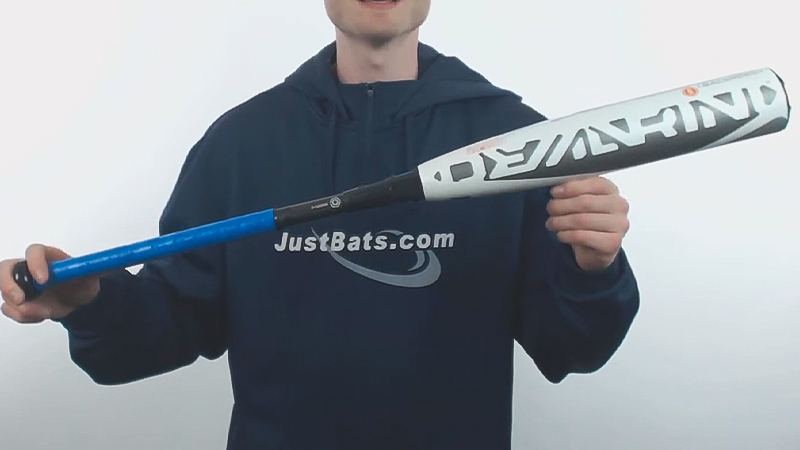
In the world of competitive youth baseball, equipment can often be the difference between a routine flyout and a game-changing home run.
However, occasionally a bat enters the market that is too effective. When a bat’s performance exceeds safety and fairness regulations, it faces a ban—leading to the unique category of equipment known as retooled bats.
This guide explores the engineering, legality, and performance of retooled bats to help players, parents, and coaches understand exactly what they are bringing to the plate.
The Definition of a Retooled Bat
At its core, a retooled bat is a manufacturer-modified piece of equipment. These are not bats modified by third parties or “rolled” in a garage; rather, they are bats that have been sent back to the original manufacturer to be re-engineered.
The term became widely known primarily through the DeMarini 2017 CF Zen models. When these specific bats were released, they were found to be performing at a level that exceeded the allowed limits for youth play, leading to an immediate ban from sanctioned play.
To save these high-quality products, the manufacturer “retooled” them to bring them back into compliance with USSSA standards.
Why Do Bats Need to Be Retooled?
The primary reason for retooling is compliance. Organizations like USSSA (United States Specialty Sports Association) set strict performance limits to ensure player safety and maintain a level playing field.
When a bat is deemed “too high-performing,” it is banned from tournament and league play because it produces exit velocities that are considered dangerous or unfair.
By retooling these bats, manufacturers can offer a legal alternative to a banned model, ensuring the equipment meets the necessary 1.15 BPF (Bat Performance Factor) standard.
The Engineering: How a Bat is “Fixed”
The process of retooling is a sophisticated mechanical overhaul. It is not a simple cosmetic fix; it involves changing the internal physics of the barrel.
1. Structural Overhaul
To begin the process, manufacturers take the original “banned” bat and perform a physical teardown. This involves removing the original end cap to access the internal chamber of the barrel. Once the old cap is removed, the manufacturer can implement the necessary hardware changes before applying a new end cap and sealing the bat back to factory specifications.
2. Reducing the “Trampoline Effect”
The “pop” a hitter feels comes from the trampoline effect—the way the barrel compresses and rebounds when it strikes a ball. To curb excessive performance, manufacturers install specific internal components:
- Ceramic Sleeves: A sleeve may be inserted into the barrel to stiffen the structure.
- Restrictor Rings: These rings are placed inside to limit how much the barrel can flex upon impact.
These modifications are specifically designed to reduce the trampoline effect of the barrel, ensuring the bat no longer exceeds the legal performance “ceiling”.
How to Identify a Retooled Bat?
If you are buying a used bat or checking equipment before a game, it is vital to know if a bat has been retooled. Because the original versions of these bats remain illegal, umpires and tournament directors look for specific visual cues.
The Orange End Cap
The most common identifier for a retooled bat (particularly the DeMarini CF Zen) is a bright orange end cap. This serves as a universal signal to officials that the bat has undergone the manufacturer’s modification process.
Compliance Stamps
Retooled bats are often marked with a new, legal, or “fixed” sticker or stamp. These markings verify that the bat now adheres to the 1.15 BPF standard required for most youth leagues.
Performance: Does a Retooled Bat Still Have “Pop”?
One of the most common questions from players is whether a retooled bat performs as well as the original “hot” version.
The honest answer is that there is a performance reduction. Because the goal of retooling is to reduce the “pop” to meet legal standards, the bat will naturally have less power than the original banned version. The internal restrictors and ceramic sleeves intentionally “slow down” the barrel.
However, while it may not be as “hot” as the illegal version, a retooled bat is still a high-quality, high-end piece of engineering.
It remains approved for use in leagues and tournaments that require the 1.15 BPF standard. For many players, having a legal version of a premium bat is preferable to switching to a completely different model.
Summary: Should You Use a Retooled Bat?
A retooled bat represents a middle ground between elite engineering and regulatory safety. While the retooling process involves manufacturer modifications like adding internal sleeves and changing end caps to reduce performance, it allows these premium bats to stay in the game legally.
Key Takeaways:
- Safety First: Retooling ensures the bat meets USSSA 1.15 BPF standards.
- Easy Identification: Look for the bright orange end cap and updated compliance stamps.
- Adjusted Performance: Expect slightly less power than the original “banned” model, but enjoy the benefit of a fully legal, high-quality bat.