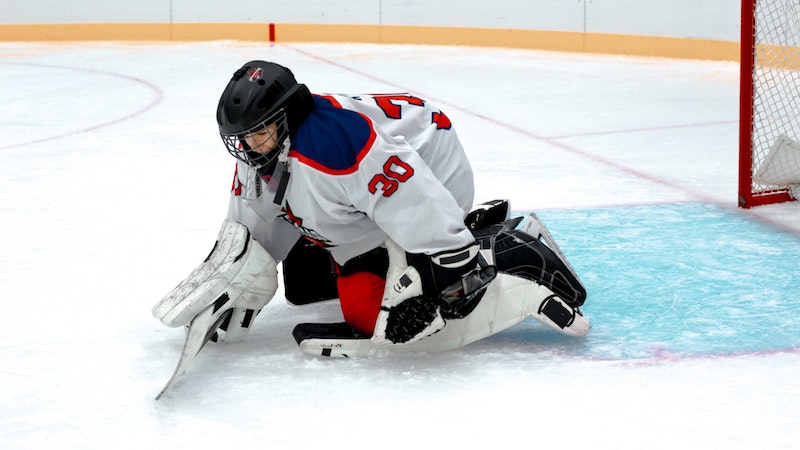
Attending a live hockey game is one of the most exhilarating experiences in modern sports culture. The roaring crowd, the lightning-fast speed of the players, the thundering crashes against the glass, and the infectious energy of the arena create an unforgettable environment.
However, for first-time fans, casual spectators, or anyone attending a game in a new venue, one practical question frequently arises before stepping through the turnstiles: Is it cold at a hockey game?
The short answer is yes. It is typically chilly at an indoor hockey game, with seating-area temperatures usually ranging from 50°F to 65°F (10°C to 18°C).
While this temperature range might sound relatively mild on paper, sitting still in an indoor arena for two to three hours exposed to ambient chilly air can make you feel significantly colder than expected.
Furthermore, arena conditions are far from uniform; where you sit, how many people are in attendance, and whether you are attending an indoor or outdoor game all dramatically alter your personal comfort.
Arena Microclimates: Why Are Rinks Kept Cold?
To understand how to dress appropriately, it helps to understand why hockey venues maintain cool ambient temperatures in the first place.
The chill inside an arena is not an accidental byproduct or an oversight in climate control; it is a carefully managed environmental requirement designed to support high-level athletic performance and safety.
Ice Surface Maintenance Requirements
The primary driver of arena refrigeration is the physical requirement of the playing surface itself. Arena air is kept cool specifically to keep the ice hard, smooth, and safe for skating. If ambient room temperatures rise too high, the ice surface begins to soften, creating slushy conditions, gouges, and deep ruts.
Soft ice drastically slows down puck movement, increases player fatigue, and significantly raises the risk of severe injuries caused by skate blades catching unexpectedly in soft grooves.
To maintain structural integrity, the air directly above the ice surface is kept at a frigid 23°F to 29°F (-5°C to -2°C).
Specialized refrigeration pipes running beneath the concrete slab under the ice constantly circulate chilling chemicals to keep the frozen sheet solid throughout intense athletic play.
Air Proximity and Convection Patterns
Temperature distribution inside a closed building follows clear laws of physics. Cold air rises off the ice surface, making the first few rows noticeably colder than the upper deck.
Because cold air radiates directly off the massive sheet of ice, spectators sitting in proximity to the rink experience a continuous wash of cold air.
As you move farther away and higher up into the seating bowl, this direct radiant effect diminishes, allowing ambient building heat to accumulate.
The Thermal Impact of Crowd Density
Another fascinating environmental variable is human body heat. A sold-out game or packed arena will feel slightly warmer due to body heat from thousands of fans.
Every person inside the building acts as a small thermal radiator, generating ambient heat that accumulates in higher seating sections and concourses.
Conversely, attending a sparsely populated practice session, local youth game, or mid-week matchup in a large stadium will feel markedly colder because there are far fewer human bodies to offset the refrigeration systems.
Row-by-Row Temperature Breakdown
Because hockey venues feature distinct thermal zones, your personal experience will depend heavily on your exact ticket location. Below is a detailed breakdown of what you can expect across different areas of the building.
The Ice Surface and Rink Level
The most intense cold is concentrated right on the ice sheet itself. The ice surface and rink air remain consistently between 23°F and 29°F (-5°C to -2°C).
While players stay warm through extreme physical exertion, off-ice officials, bench personnel, and ice crew members must wear specialized cold-weather outerwear to remain comfortable during long periods of standing.
Lower Bowl and Glass Seats (Around 40°F – 50°F / 4°C – 10°C)
If you are lucky enough to sit in the lower bowl close to the ice, prepare for a crisp, cool climate. Lower bowl seats near the ice experience average temperatures around 40°F to 50°F (4°C to 10°C).
At glass level, there is virtually no thermal barrier between you and the frozen playing surface. Spectators sitting within the first ten rows will feel a persistent chill, especially on exposed skin such as hands, ankles, and faces.
Upper and Mid-Level Seats (50°F – 65°F / 10°C – 18°C)
As you elevate toward the middle rows, mezzanine level, or upper balcony, ambient conditions become significantly milder. Upper and mid-level seats typically stay within a range of 50°F to 65°F (10°C to 18°C).
Heat naturally rises toward the upper structure of the building, and the combined warmth from surrounding spectators creates a far more tempered environment. In the topmost rows of large modern arenas, you may even find yourself removing your jacket midway through the second period.
Outdoor Hockey Games (Matches Outdoor Weather Conditions)
Specialty events such as winter classics, stadium series, and outdoor games present a completely different set of environmental factors. An outdoor hockey game matches prevailing outdoor weather conditions, which are often well below 32°F (0°C).
Unlike indoor venues where climate controls prevent wind and extreme freezing, outdoor venues expose fans to sub-freezing temperatures, wind chill, snow, and freezing precipitation.
Attending an outdoor game requires full winter weather gear equivalent to what you would wear for a day of skiing or Arctic tailgating.
The Ultimate Spectator Layering Guide: What to Wear
Successfully dressing for a hockey game comes down to versatility. Because temperatures vary between the chilly seating bowl, warm concourses, and outdoor entry lines, adopting a strategic layering approach allows you to adjust your clothing as needed throughout the event.
The Base Layer: Climate Control Next to Your Skin
Your foundational garment sets the stage for comfort. You should start with a long-sleeve thermal shirt or a high-performance moisture-wicking top.
Synthetic fabrics or fine merino wool are ideal choices because they regulate body heat without trapping sweat.
A proper base layer provides consistent warmth without adding excessive bulk under your outerwear.
The Mid-Layer: Insulating Warmth & Team Pride
The middle garment provides main insulation while showcasing team spirit. Excellent mid-layer options include a cozy sweater, a casual hoodie, or an official team jersey.
A hockey jersey is specifically cut loose to fit comfortably over underlying hoodies or long-sleeve tops, making it both a stylish and practical choice for game night.
The Outer Layer: Flexible Wind and Chill Protection
Your choice of outerwear depends largely on where your seats are located inside the arena. You should bring a light jacket or a zip-up coat, especially if you are sitting in the lower rows.
A zip-up coat is particularly advantageous because it allows you to easily vent heat if you get warm during high-energy moments or while walking through packed arena concourses.
Bottoms and Footwear: Safeguard Your Lower Body
Upper body layering is vital, but neglecting your legs and feet is a common mistake for first-time game attendees. Cold air settles low near concrete stadium floors, which can quickly draw warmth out of your lower extremities.
- Bottoms: Wear full-length pants, such as sturdy jeans or warm leggings. Avoid shorts, skirts without heavy tights, or lightweight athletic pants that permit cold air drafts.
- Footwear: Wear closed-toe shoes or insulated boots. Concrete arena floors radiate cold directly into thin soles. Pair your closed-toe shoes with thick wool or thermal socks to keep your toes warm during all three periods.
Key Differences: Youth Community Rinks vs. Major Arenas
Understanding the type of building you are visiting is crucial for accurate outfit planning:
Major Stadiums & Professional Arenas:
- High-capacity HVAC climate control systems.
- Large crowds generating significant body heat.
- Ambient seating temperatures generally hover near the warmer end of the spectrum, between 55°F and 65°F (13°C to 18°C), except in lower bowl rows directly next to the ice.
Local Youth and Community Ice Rinks:
- Smaller facilities focused purely on ice preservation with minimal spectator heating.
- Lacks the thermal buffer of thousands of spectators.
- Spectator stands can feel nearly as cold as the ice itself (often 38°F to 45°F / 3°C to 7°C).
- Visiting a local community rink usually calls for heavy winter coats, gloves, beanies, and warm blankets regardless of row selection.
Final Game-Day Attire Checklist
Before heading out the door to enjoy the fast-paced thrill of live hockey, double-check your outfit against this handy summary:
- Base Layer: Thermal shirt or moisture-wicking top.
- Mid-Layer: Favorite sweater, hoodie, or team jersey.
- Outer Layer: Light jacket or zip-up coat (essential for lower bowl seating).
- Bottoms: Full-length jeans, heavy leggings, or warm trousers.
- Footwear: Closed-toe shoes or boots paired with warm, full-length socks.
By planning and layering thoughtfully, you will stay cozy, comfortable, and ready to cheer your team on to victory!