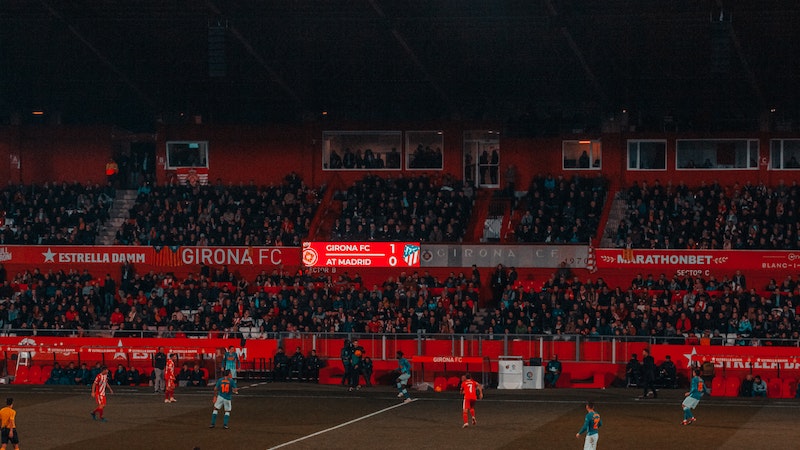
Soccer is more than just a sport; it is a global phenomenon that unites billions of people across every continent. From the dusty streets of Lagos to the gleaming stadiums of Munich, the passion for the game remains unmatched.
Often called the beautiful game, soccer serves as a universal language that bridges cultural and linguistic gaps. Its popularity isn’t accidental; it is the result of a unique blend of accessibility, emotional intensity, and deep-seated community roots.
In this exploration, we analyze the fundamental drivers that make soccer the most beloved sport on the planet today.
The Absolute Simplicity and Accessibility of the Sport
The most significant driver behind the global dominance of soccer is its inherent simplicity. Unlike sports that require expensive gear, specialized courts, or complex setups, soccer thrives on its minimal requirements.
This low barrier to entry ensures that the game is truly for everyone, regardless of their background or financial status.
Minimal Equipment and Financial Inclusivity
The beauty of soccer lies in its “one-ball” requirement. To start a game, you only need a ball, or even an object that mimics one. There is no need for helmets, pads, expensive rackets, or specialized footwear to experience the joy of the game.
This lack of a wealth barrier makes it the most democratic sport in existence, allowing children in impoverished areas to compete on the same tactical level as those in wealthy academies.
The Versatility of the Playing Surface
Soccer is not confined to perfectly manicured grass pitches. The game is incredibly resilient and can be played on almost any available surface, including concrete, sand, or dirt.
This adaptability allows the sport to flourish in diverse environments, from urban jungles to coastal beaches. Because the environment does not dictate the quality of the fun, the sport remains a constant presence in daily life globally.
Easy-to-Understand Rules for Newcomers
The objective of soccer is straightforward: get the ball into the opposing team’s goal using any part of the body except the hands and arms. While professional matches involve nuances like the offside rule, the basic mechanics are intuitive.
This simplicity allows a first-time viewer to understand the stakes immediately, making it highly “watchable” and easy to broadcast to a global audience.
Building Global Communities and Deep Cultural Roots
Soccer functions as a social fabric, weaving together individuals from different walks of life into a single, cohesive unit. The sense of belonging it provides is a powerful motivator for fans and players alike.
| Feature | Impact on Popularity |
|---|---|
| Club Identity | Clubs represent specific neighborhoods and cities, creating a sense of local pride and heritage. |
| Generational Bonding | The sport is often a family tradition, with passion passed down from parents to children. |
| National Unity | Global tournaments like the World Cup create immense national pride and temporary unity. |
| Social Connection | Supporters’ groups offer a ready-made community for fans to share their passion. |
The history of soccer is deeply intertwined with the development of modern cities. Many of the world’s most famous clubs began as workers’ teams, representing the identity of specific neighborhoods or industrial sectors.
This historical weight means that for many, supporting a team is not a choice but a birthright. When the World Cup arrives, this local passion scales to a national level, turning entire countries into synchronized cheering sections.
This deep emotional investment is why the sport maintains such high engagement levels year-round.
The Thrill of Unpredictable and Dramatic Gameplay
One might assume that a low-scoring sport would be less exciting, but in soccer, the scarcity of goals is exactly what creates its high-stakes atmosphere. The emotional payout of a single goal is often higher than the cumulative points in high-scoring sports.
The Emotional Weight of the Low-Scoring Game
In soccer, every single goal carries massive emotional weight. Because goals are hard to come by, the tension builds throughout the match, leading to an explosive release of energy when the ball finally hits the net.
This “scarcity value” makes the sport incredibly dramatic, as one moment of brilliance can define a player’s career or a team’s season.
Continuous Action and Narrative Flow
Soccer is played in two 45-minute halves with minimal interruptions. Unlike sports plagued by frequent commercial breaks or timeouts, soccer maintains a rhythmic flow.
This continuous action keeps the audience engaged and allows for a narrative to develop on the pitch. The “running clock” means that the tension is persistent, forcing players to manage their energy and strategy in real-time without external pauses.
The Phenomenon of the “Giant Killing”
One of the most captivating aspects of the game is its unpredictability. Soccer is one of the few sports where underdog teams regularly defeat elite, wealthy clubs.
The low-scoring nature means that a well-organized defense and one lucky counter-attack can lead to an upset.
This possibility of “late drama,” where matches completely change in the final seconds, keeps fans on the edge of their seats until the final whistle.
A Showcase of Human Artistry and Athleticism
While the rules are simple, the execution of soccer at a high level is a display of incredible human potential. The combination of extreme physical endurance and technical precision creates a compelling spectacle.
Extreme Physical Endurance and Fitness
Professional soccer players are among the fittest athletes in the world, often running up to 14 kilometers in a single match. This requires a combination of aerobic capacity and anaerobic sprinting ability.
Fans admire the sheer grit and determination required to maintain high performance over 90 minutes, especially during the grueling closing stages of a match.
Technical Precision and the Art of Control
Controlling a ball using only the feet requires immense precision and years of dedicated practice. The ability to trap a ball falling from the sky, dribble through a crowd of defenders, or strike a shot with “curve” is seen as a form of human artistry.
Creative players use unexpected tricks and improvisation to bypass defenders, turning the pitch into a canvas for their imagination.
The Strategic Chess Match on the Pitch
Beyond the physical exertion, soccer is a deep mental challenge. Managers are constantly adjusting formations and player roles to outsmart their opponents.
This “tactical chess” involves predicting the opponent’s movements, exploiting space, and making mid-game substitutions to shift the momentum. For the analytical fan, these layers of strategy provide endless opportunities for discussion and debate.
Frequently Asked Questions (FAQ)
Why is soccer called “the beautiful game”?
The term, popularized by legends like Pelé, refers to the sport’s combination of grace, teamwork, and the artistic potential of individual play. Its beauty lies in how such a simple concept can produce such complex and emotionally resonant moments.
Is soccer the most popular sport in the world?
Yes, with an estimated fan base of over 3.5 billion people, soccer is the most popular sport globally. Its reach extends across Europe, Africa, South America, and Asia, making it a truly global pastime.
Why do some people call it “football”?
In most of the world, the sport is called “football” because it is primarily played with the feet. The term “soccer” originated in England as a slang abbreviation for “Association Football” and is primarily used in countries like the United States, Canada, and Australia to distinguish it from other local forms of football.
Why is the World Cup so significant?
The FIFA World Cup is the pinnacle of the sport, occurring every four years. It is significant because it brings together the best national teams in a high-stakes tournament that often halts daily life in participating nations, fostering a unique sense of global community and competition.
How does soccer impact local economies?
Beyond entertainment, soccer is a massive economic driver. It creates jobs in stadium management, broadcasting, tourism, and merchandise. Local clubs often act as economic anchors for their communities, driving foot traffic to businesses on match days.
Conclusion: Join the Global Conversation
The enduring popularity of soccer is rooted in its ability to be both a simple playground game and a sophisticated professional spectacle.
It offers a unique mix of accessibility, community, drama, and athleticism that no other sport can replicate. Whether you are a tactical analyst or a casual viewer, there is a place for you in the global soccer community.
Are you ready to experience the passion for yourself? Start by following a local club or tuning into a major international match.
The world of soccer is vast, welcoming, and always full of surprises. Embrace the beautiful game today and see why billions of people call it their favorite sport.