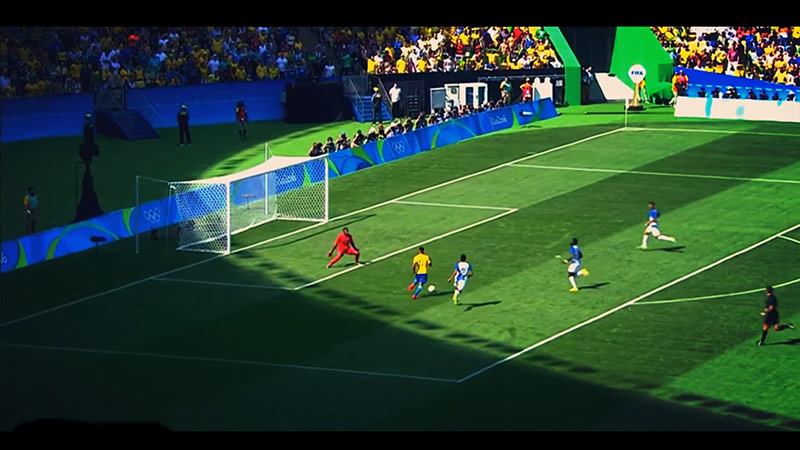
The Olympic Games represent the pinnacle of global athletic achievement, yet the men’s football tournament remains a unique anomaly in the sporting world.
While spectators expect to see the world’s most elite icons, the rosters are primarily composed of emerging youth players.
This structural choice is a calculated result of a century-long political struggle between FIFA and the International Olympic Committee (IOC).
By enforcing an Under-23 (U23) age limit, FIFA ensures the Olympics never rivals the prestige or commercial dominance of the World Cup.
Understanding this rule requires examining history, legal loopholes, and the intricate power of club-over-country politics.
The Strategic Power Struggle Between FIFA and the IOC
The primary reason for the U23 restriction is the protection of the FIFA World Cup’s commercial exclusivity.
As the absolute governing body of global football, FIFA views the World Cup as its premier asset and works tirelessly to safeguard its broadcast revenues and prestige.
If the Olympics were allowed to host a full-scale senior tournament, it would essentially create a “second World Cup” every four years, diluting the market and potentially decreasing the value of FIFA’s own flagship event.
Consequently, the men’s Olympic tournament is strategically positioned as a developmental showcase rather than a premier international championship.
This ensures that while the Olympic brand remains iconic, it does not directly compete with FIFA for the title of the “largest tournament for football”.
The restriction is a deliberate ceiling placed on the competition to maintain a clear hierarchy in the international game, where the World Cup remains the ultimate peak of professional success.
A Century of Evolution: From Amateurs to Professionals
The road to the current U23 format was paved with decades of dispute and political compromise. To understand why the age limit exists today, one must look at how the definition of “amateurism” was manipulated during the 20th century.
The Amateur Era and the Rise of State-Sponsored Pros (1900–1980)
For the first eight decades of the modern Olympics, the IOC enforced a strict ban on professional athletes to maintain the “purity” of the games. However, this created a significant competitive imbalance.
While Western European and South American nations sent genuine amateur squads, Soviet bloc countries sent elite “state-sponsored” professionals.
These players were officially listed as soldiers or factory workers but were, in reality, full-time athletes who dominated the tournament for years.
The 1984 Turning Point and World Cup Restrictions
By the 1980s, the IOC recognized that the amateur rule was no longer sustainable and finally admitted professional players for the 1984 Los Angeles Games. However, FIFA immediately interceded to prevent the Olympics from becoming too competitive.
They implemented a rule banning any European or South American player who had already appeared in a World Cup match from participating in the Olympics.
This was the first major legal barrier designed to keep the world’s best players out of the Olympic spotlight to protect FIFA’s interests.
The 1992 Barcelona Compromise and the U23 Mandate
The modern era of Olympic football officially began at the Barcelona 1992 Games, where the current Under-23 format was born. This transition was designed to clear up historical confusion and provide a clear, unified standard for all participating nations.
By shifting to a youth-focused tournament, the Olympics found a new identity as a platform for future stars to announce themselves on the global stage.
The 1996 “Overage” Amendment: Balancing Youth and Fame
While the U23 rule successfully separated the Olympics from the World Cup, organizers realized that the lack of recognizable stars could hurt commercial appeal. For the Atlanta 1996 Games, the IOC negotiated a critical amendment: the “three overage players” rule.
This loophole allows each country to add three players over the age of 23 to their roster, providing a necessary boost to ticket sales and television viewership without threatening the tournament’s status as a youth event.
| Feature | Men’s Olympic Tournament | Women’s Olympic Tournament |
|---|---|---|
| Age Limit | Strictly U23 (+3 overage exceptions) | No age limits (Senior teams) |
| FIFA Calendar | Not included (Club release optional) | Fully included (Mandatory release) |
| Prestige Level | Minor youth trophy | Elite tier / Major Championship |
| Primary Goal | Developmental showcase | Global growth of the sport |
Why Women’s Football Follows a Different Path
In sharp contrast to the men’s game, the women’s Olympic tournament has no age restrictions and features full senior national teams.
When women’s football was introduced to the Olympics in 1996, the sport was not yet commercially established on a global scale. FIFA saw the Olympics as a vital tool for growth rather than a threat to its existing properties.
As a result, the women’s Olympic gold medal is considered an elite achievement, second only to the FIFA Women’s World Cup in terms of prestige.
The Legal Battleground: Club vs. Country
A major factor keeping the U23 rule in place is the legal distinction of the FIFA International Match Calendar.
Because the men’s Olympic tournament is not included in this official calendar, professional clubs are not legally obligated to release their players for the games.
This gives elite clubs the power to block their star players from participating, a right they frequently exercise to avoid the risk of injuries or physical burnout before the start of domestic league seasons.
Elite clubs continue to heavily lobby for the U23 rule because it limits the number of their high-value assets who are called away for summer duty.
For a club like Real Madrid or Manchester City, losing a top-tier player to a “minor youth trophy” is seen as an unnecessary business risk.
This creates a situation where the best U23 players in the world—such as those signed to Premier League clubs—often miss the Olympics entirely due to club pressure.
Innovation and the Future of the International Game
While the Olympics remains a youth-focused event, FIFA continues to use its premier senior tournaments, like the upcoming 2026 World Cup, as labs for innovation.
These changes often highlight the growing gap between the developmental nature of the Olympics and the high-tech, commercialized world of the senior game.
Technical Advancements in the Senior Game
The 2026 World Cup will introduce several new rules aimed at increasing “ball-in-play” time, such as countdown timers for throw-ins and goal kicks. FIFA is also investing millions into research for natural grass solutions in synthetic stadiums to prevent injuries.
These high-stakes investments are reserved for senior-level competition, further underscoring that the U23 Olympic format exists in a different tier of the global football ecosystem.
The Developmental Impact of the U23 Format
The U23 rule does serve a positive purpose by providing a pathway for players in developing football nations.
For example, the captain of China’s U23 team recently became the first Chinese player in nearly two decades to sign for a Premier League club, illustrating how the Olympic cycle can still provide a springboard for individual careers even if the tournament lacks senior prestige.
Frequently Asked Questions
Can professional players play in the Olympics?
Yes, professional players can compete, provided they meet the age requirements. Since 1984, the amateur-only rule has been abolished, but the men’s game remains restricted by age rather than professional status.
Why are there 3 overage players allowed?
The overage rule was introduced in 1996 as a compromise to help organizers market the event. It allows teams to bring in experienced leaders and global stars to increase the tournament’s “star power” and ticket sales.
Does the U23 rule apply to the Women’s Olympics?
No. The women’s tournament has no age limits. FIFA uses the Olympics to help grow the women’s game, so senior national teams are encouraged to participate with their best possible rosters.
Why don’t clubs have to release players for the Olympics?
The men’s Olympic tournament is not on the FIFA International Match Calendar. Under FIFA regulations, clubs are only required to release players for tournaments listed on the official calendar, such as the World Cup or continental championships.
Conclusion: A Tournament Defined by Compromise
The Under-23 rule in Olympic football is the definitive example of how sports politics and commercial interests shape competition.
It is a system designed to honor the Olympic tradition while ensuring that FIFA’s World Cup remains the undisputed king of the football world.
While this may frustrate fans who want to see the “best vs. the best,” it has transformed the Olympics into a unique youth showcase that offers a glimpse into the future of the sport.
As the international calendar becomes more crowded and the stakes for professional clubs continue to rise, the U23 rule acts as a necessary buffer.
It balances the IOC’s desire for a global spectacle with FIFA’s need for commercial dominance and the clubs’ need for player preservation.
For now, the Olympic gold medal will remain a prestigious prize for the world’s best young talents, while the senior legends continue to save their greatest performances for the World Cup stage.