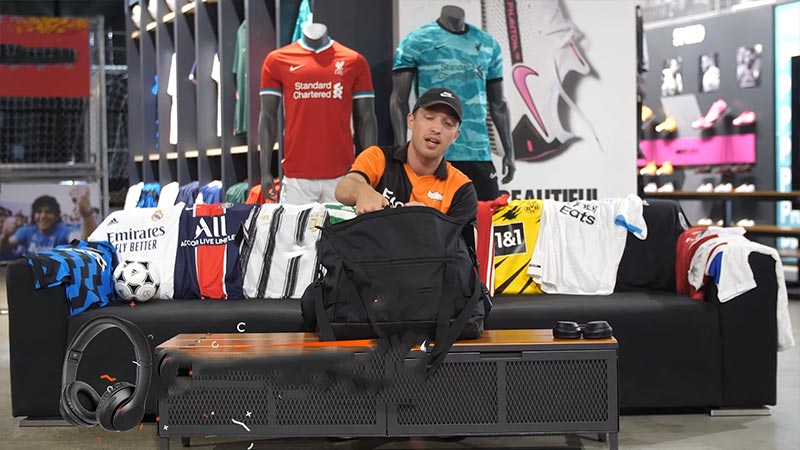
Stepping onto the pitch for the first time is an exhilarating experience, but your performance and safety depend heavily on your preparation.
Whether you are joining a competitive league or a local recreation team, understanding the specific equipment requirements is your first step toward success.
While many clubs provide the match-day kit, the responsibility for individual protection and training tools rests with the player.
This guide explores the essential non-negotiable gear, specialized equipment for various roles, and professional maintenance tips to ensure your investment lasts. Prepare to elevate your game with the right foundation for every match and practice session.
The Core Five: Non-Negotiable Soccer Essentials
To participate in any organized soccer activity, there is a set of “non-negotiable” items required for both safety and league compliance.
These items form the baseline of your equipment inventory. Without these, you may be barred from participating in official matches or team practices due to safety regulations.
Specialized Footwear for Traction and Stability
Footwear is the most critical investment a player makes. In soccer, specialized cleats are mandatory because they are engineered specifically for the movements of the game, such as pivoting, sprinting, and striking the ball.
Unlike general athletic shoes, soccer cleats provide the necessary traction on grass or turf to prevent slipping and injury. It is important to note that leagues typically prohibit the use of football or baseball cleats.
This is because other sports use different stud configurations, such as a “toe stud,” which can be dangerous in soccer during slide tackles or close-contact play.
Choosing a pair that fits snugly but comfortably ensures you have a better “feel” for the ball during dribbling.
Protective Gear and League Compliance
Safety on the pitch is centered around the use of shin guards. These are mandatory items designed to protect your lower legs from errant kicks and high-impact collisions.
To be effective and compliant with most league rules, shin guards must be worn under long soccer socks. These socks are specifically designed to be long enough to cover the guards completely, keeping them secure during intense movement.
This layering is not just for aesthetics; it ensures the guards do not shift, which could leave a player vulnerable to injury during a match.
Selecting the Correct Ball Size
A soccer ball is required for both home practice and team training sessions. However, not all balls are created equal. Using the wrong size can hinder a player’s development and increase the risk of strain.
Soccer balls are categorized by size based on the age of the player to match their physical development.
| Player Age | Recommended Ball Size |
|---|---|
| 8 Years and Under | Size 3 |
| Ages 8–12 | Size 4 |
| 12 Years through Adult | Size 5 |
Ensuring you have the correct size, as outlined in the table above, allows for proper skill acquisition in ball control and striking.
Hydration and Physical Performance
While it is not a piece of “equipment” in the traditional sense, a personal water bottle is listed as a non-negotiable item for soccer. The high-intensity nature of the sport leads to rapid fluid loss.
Maintaining hydration is essential for sustained physical performance and cognitive focus during a game. Sharing water bottles is often discouraged for health reasons, making a dedicated, high-capacity bottle a vital part of a player’s kit bag.
Role-Specific and Advanced Training Equipment
Once the core essentials are secured, players often need to expand their gear based on their specific role on the team or the environmental conditions they face during the season.
This specialized equipment helps refine performance and provides necessary protection for unique positions.
The Goalkeeper’s Arsenal
Goalkeepers have the most distinct equipment needs on the field. Because they are the only players permitted to use their hands, they require specialized goalie gloves.
These gloves are designed for hand protection and to provide a better grip on the ball. Furthermore, goalkeepers often wear padded jerseys.
These jerseys provide much-needed impact absorption during dives and collisions, protecting the torso and elbows from the hard ground or contact with other players.
Tools for Agility and Technical Skill
For players looking to improve outside of team hours, certain training tools are highly recommended.
Cones are essential for setting up agility drills and marking boundaries for small-sided games. A rebounder is another excellent tool, allowing players to practice passing and receiving without a partner.
Additionally, every player should own a ball pump. A ball that is not properly inflated will not behave predictably, which can frustrate a player’s attempts to master ball control.
Adapting to Cold Weather Conditions
Soccer is often played in varying climates, and maintaining muscle warmth is key to preventing injury. During cold weather, players should invest in compression base layers and training pants.
These items are designed to be moisture-wicking, which keeps the athlete dry while retaining body heat. The goal is to provide warmth without the bulk of traditional jackets, allowing for a full range of motion during play.
Professional Organization and Transport Solutions
Managing your gear effectively is a hallmark of a disciplined player. Carrying loose cleats, balls, and water bottles is inefficient and can lead to lost equipment. Investing in a dedicated soccer backpack or duffel bag is a strategic move for any serious athlete.
These specialized bags are often designed with the soccer player’s unique needs in mind. Many features include separate mesh pockets specifically for muddy cleats.
This design choice is vital for hygiene and organization, as it keeps soiled footwear away from clean game jerseys and personal items.
Furthermore, a well-organized bag ensures that you can quickly account for all your “Core Five” essentials before heading to the field, reducing pre-game stress.
Strategic Maintenance for Gear Longevity
High-quality soccer gear represents a significant financial investment. To maximize the lifespan of your equipment and ensure it performs at peak levels, a consistent maintenance routine is required. Proper care prevents premature wear and keeps the equipment hygienic.
Post-Match Cleat Preservation
Cleats are subject to harsh conditions, including mud, moisture, and friction. To maintain their integrity, players should clean their cleats regularly.
Removing dirt and grass after every use is essential because dried mud can stiffen the material and reduce the effectiveness of the traction studs. By keeping the soles clean, you ensure a consistent grip on the pitch, which is vital for safety and performance.
Environmental Factors: Preventing Odor and Mold
One of the most common mistakes players make is leaving damp gear in a closed bag after a game. This environment is a breeding ground for bacteria, leading to unpleasant odors and mold buildup.
The professional standard is to air dry everything. Upon returning from the field, jerseys, socks, and especially cleats should be removed from the bag and placed in a well-ventilated area.
This simple habit preserves the fabric and materials, ensuring your gear stays fresh and functional for the entire season.
Maintaining Ball Pressure and Integrity
A soccer ball’s performance is directly tied to its internal air pressure. A ball that is under-inflated will feel heavy and “dead,” while an over-inflated ball can be difficult to control and may even cause foot pain. Players should regularly check ball pressure using a pump.
Maintaining the correct pressure ensures the ball has the optimal bounce and flight characteristics intended by the manufacturer, which is crucial for developing accurate passing and shooting techniques.
Frequently Asked Questions
Can I wear baseball cleats for soccer?
No. Most organized leagues prohibit baseball or football cleats because they often feature a toe stud that can cause injury to other players during soccer-specific movements. Soccer-specific cleats are required for safety compliance.
What size soccer ball should a 10-year-old use?
According to standard age brackets, children between the ages of 8 and 12 should use a Size 4 soccer ball.
Why do I need to wear long socks?
Long soccer socks are designed to completely cover your shin guards. This is a safety requirement in most leagues to ensure the guards stay in place and do not cause a hazard on the field.
How can I stop my soccer bag from smelling?
The best way to prevent odor is to never leave wet or sweaty gear in a closed bag. Always remove your equipment and air dry it immediately after use to prevent the growth of mold and bacteria.
Conclusion: Preparing for Peak Performance
Success on the soccer pitch begins long before the whistle blows. It starts with having the correct “Core Five” essentials—cleats, shin guards, socks, a ball, and hydration—to meet league standards and ensure your safety.
By expanding your kit with role-specific items like goalkeeper gloves or cold-weather compression layers, you can adapt to any challenge the game throws at you.
However, owning the gear is only half the battle. Implementing a professional maintenance routine, from cleaning your cleats to monitoring ball pressure, will ensure that your equipment remains a reliable asset rather than a liability.
When you are well-prepared and your gear is in top condition, you can step onto the field with the confidence needed to perform at your absolute best. Ready your kit, maintain your tools, and focus on the game.