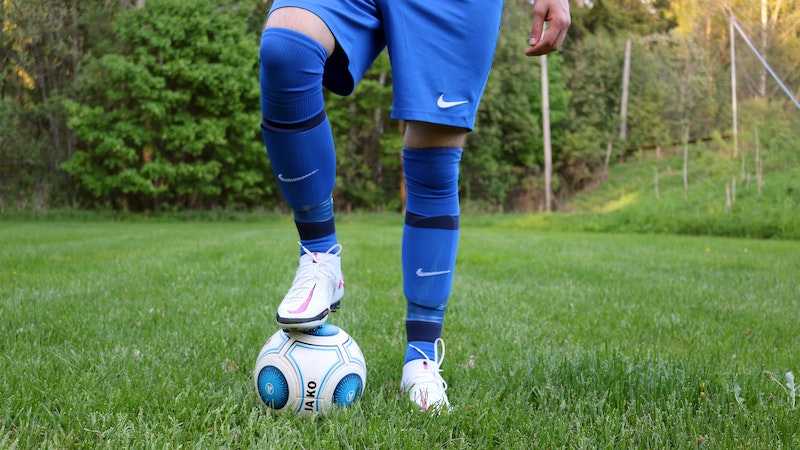
Navigating the world of athletic footwear can be a daunting task, especially when performance and injury prevention are on the line. One of the most persistent questions in the dressing room is: do soccer cleats run small?
To the uninitiated, a pair of cleats may feel restrictive compared to standard running shoes. However, in the realm of high-performance soccer, this “tight” feeling is often a deliberate design choice meant to provide a “lock-in” effect for superior ball control.
Understanding the nuance between a shoe that is too small and one that is perfectly snug is the first step toward dominating on the pitch.
The Fundamental Philosophy of Soccer Cleat Fit
When you first slide your foot into a new pair of boots, the immediate sensation is often one of compression. While most soccer cleats are technically designed to fit true to size, they are engineered to be significantly more snug than your everyday sneakers.
If you typically wear a size 10 in running shoes, a size 10 soccer cleat will feel much tighter because it is built to “lock” your foot in.
This design prevents your foot from sliding inside the shoe during explosive movements, ensuring that every ounce of energy is transferred to the pitch and that you have a better touch on the ball.
Why “Snug” is the Standard for Performance
To understand why many players feel cleats “run small,” we must look at the mechanical requirements of the sport. In running or walking, your foot needs room to expand as it hits the pavement.
In soccer, however, the boot acts as a tool for interaction with the ball. A loose boot creates a “dead zone” between the foot and the ball, which degrades accuracy and increases the risk of blisters or ankle rolls.
Therefore, the “small” feeling is usually a sign of a high-performance fit that eliminates negative space.
Sizing Preferences Based on Player Experience
How a cleat should fit is not a universal rule; it often depends heavily on your specific player level and personal goals on the field. Professional athletes and weekend warriors often have very different requirements when it comes to the internal volume of their footwear.
Elite Players and the “Second Skin” Approach
Professional and elite-level players often have a very specific preference for how their boots should feel. It is common for these athletes to choose a half size or even a full size smaller than their regular shoe size.
The goal is to achieve a “second skin” feel, which provides the maximum possible ball control and sensory feedback. While this might be uncomfortable for someone not used to high-intensity play, for the elite athlete, it is the gold standard for performance.
Amateur and Recreational Player Comfort
For those playing at a recreational or amateur level, the priority often shifts slightly toward comfort and longevity. Most amateur players should stick to their true size to avoid unnecessary foot fatigue.
Furthermore, if you are a player who prefers a bit of extra room or if you frequently wear thick, padded soccer socks, you might even consider going up a half size. This ensures you have the necessary protection without the boot becoming a distraction during a long match.
Material Science: How Construction Dictates Fit
One of the most overlooked factors in the “do soccer cleats run small” debate is the material of the upper. The material determines not just the initial fit, but how that fit will evolve over weeks of training and matches.
| Material Type | Fit Characteristic | Evolution Over Time |
|---|---|---|
| Natural Leather (e.g., K-leather) | Extremely snug initially. | Stretches and molds to your foot shape. |
| Synthetic Materials (e.g., Nike Mercurial) | Generally static fit. | Does not stretch much; stays true to original shape. |
The Adaptive Nature of Leather
If you choose a leather boot, such as those made from K-leather, you must prepare for a break-in period. These boots should feel very tight when you first put them on because the organic fibers will stretch and eventually mold to the unique contours of your foot.
Buying leather boots that feel “perfect” in the store often results in a boot that is too loose after a month of play.
The Stability of Synthetic Uppers
Conversely, synthetic materials, like those found in the Nike Mercurial line, are engineered for lightweight performance and stability. Because these materials do not stretch significantly, you cannot rely on a “break-in” period to fix a sizing issue.
When trying on synthetic boots, you must ensure you have about a pinky’s width of room at the toe from the very beginning to ensure long-term comfort.
Brand-Specific Fit Tendencies and Foot Shapes
Not all brands are created equal, and each manufacturer tends to build their boots on different “lasts” (the foot-shaped molds used to create the shoe). Understanding these brand-specific tendencies can save you hours of trial and error.
Adidas: The Reliable Choice for Wider Feet
Adidas is widely recognized for creating boots that are generally true to size and are particularly well-known for accommodating players with wider feet.
If you find that most cleats feel too restrictive on the sides of your midfoot, Adidas “silos” often provide the traditional feel and extra width necessary for a comfortable experience.
Nike: Engineering for Narrow Speed
Nike takes a different approach, particularly with their speed-focused models like the Mercurial line. These boots are often significantly narrower than the industry average.
This makes them an ideal choice for narrow-footed players who want that ultra-streamlined, aerodynamic sensation, but wide-footed players may find they feel exceptionally “small” or restrictive.
Puma: The Path to Custom Comfort
Puma offers a middle ground, with certain models like the Puma King being highly accommodating to various foot shapes.
Their leather models are especially prized by players looking for a fit that eventually feels custom-molded to their foot, providing a blend of the traditional leather stretch with modern manufacturing techniques.
The Pro-Fitting Checklist: How to Test Your Cleats
To ensure you aren’t making a mistake when purchasing your next pair, there are several practical tests you should perform.
The Essential “Thumb Rule”
When you are standing up in your fully laced cleats, check the space between your longest toe and the end of the boot. There should be roughly a thumb’s width, or about a half-inch, of space.
This ensures that when you stop suddenly or change direction, your toes don’t jam into the front of the boot, which is a leading cause of “black toe” and nail injuries.
Accounting for Game-Day Gear
One of the biggest mistakes players make is trying on cleats with thin “no-show” or casual socks. Always try on your potential new boots with the exact thick soccer socks you plan to wear during a match. This ensures the volume of the shoe is accounted for accurately.
Dynamic Movement and Heel Security
A boot can feel great while sitting down, but the true test is movement. Stand up and move around the store; your feet naturally spread when they bear weight. Mimic a sprinting motion or a quick lateral cut to ensure there is no heel slippage.
Your heel should stay firmly locked in place; if it lifts, the boot is either too large or the heel cup is the wrong shape for your foot.
Addressing Common Sizing Gaps and Concerns
While the guide provides a strong foundation, many players still struggle with specific edge cases, such as “breaking in” boots or dealing with growing feet.
The Break-In Period vs. A Bad Fit
There is a common misconception that pain is a natural part of “breaking in” soccer cleats. While some stiffness is expected, sharp pain or numbness is a clear indicator that the boot is the wrong size or shape. Leather will mold to your foot, but it cannot fix a boot that is fundamentally too short for your bone structure.
Sizing for Youth Players
Parents often ask if they should buy cleats a size larger for growing children. While it is tempting for the budget, a soccer cleat that is too large can lead to tripping, poor ball contact, and increased injury risk.
It is generally recommended to stay within the “thumb rule” parameters, allowing for minimal growth room without sacrificing the “lock-in” security required for safe play.
Conclusion: Achieving the Perfect Lock-In
So, do soccer cleats run small? Technically, they are designed to fit your foot more precisely than any other shoe in your closet. While they may feel “small” compared to a relaxed sneaker, this snugness is the key to agility, touch, and performance.
By considering your player level, the material of the boot, and the specific shape of the brand, you can find a pair that feels like a natural extension of your body.
When you find that perfect balance—where the heel is locked, the material is right for your foot shape, and the “thumb rule” is satisfied—you have found more than just a shoe.
You have found a piece of equipment that will help you perform at your peak from the first whistle to the final minute.