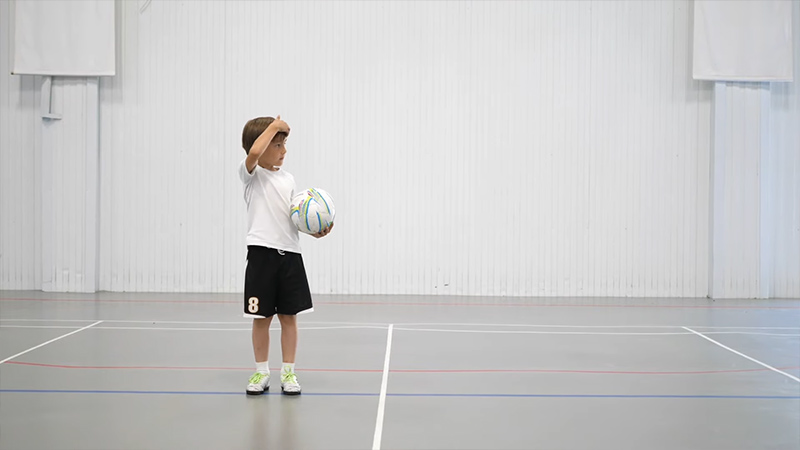
Selecting the right equipment is a pivotal moment for young athletes entering the youth soccer circuit. For an 8-year-old, this choice directly influences technical development and confidence on the pitch.
While it might seem like a simple purchase, the shift from junior sizes to standard youth sizes involves understanding league standards and physical readiness.
Navigating the world of soccer equipment ensures your child has the tools necessary to master ball control and fundamental skills.
This guide explores the specifics of ball sizing, from standard league regulations to specialized training tools used by professional academies to support athletic growth.
Understanding the Youth Standard: The Size 4 Ball
For a child reaching the age of eight, the most common recommendation in the soccer world is the Size 4 soccer ball. This size is specifically engineered to bridge the gap between the small balls used by toddlers and the full-sized equipment used by professionals.
Technical Specifications of Size 4
The Size 4 ball is classified as the standard “youth” size and is typically used by players between the ages of 8 and 12. In terms of physical dimensions, these balls feature a circumference of 25–26 inches.
This size is substantial enough to allow for proper tactical play while remaining light enough for an 8-year-old to kick with power without risking strain or injury.
Why Size 4 is the Primary Choice
The primary purpose of the Size 4 ball is to help young players develop advanced ball control and foot skills.
Because the ball is slightly smaller and lighter than the adult Size 5, 8-year-olds can practice more complex movements, such as juggling, dribbling through tight spaces, and learning the mechanics of a proper long-range pass.
Moving to this size at age eight provides a four-year window of consistency before the player eventually moves to the adult-sized ball at age 13.
Navigating the Transition: Size 3 vs. Size 4
The age of eight is often considered a “transition year” in youth sports. Depending on the month your child was born or how your local league structures its age brackets (such as U8 vs. U9), you may find yourself debating between a Size 3 and a Size 4 ball.
The Role of Size 3 in U8 Divisions
While Size 4 is the general standard, some local leagues—particularly those categorized as U8 divisions (Under 8)—may still utilize a Size 3 ball. Size 3 balls are considered “junior” play equipment and typically have a circumference of 23–24 inches.
These are designed for younger children to ensure they are not overwhelmed by the weight of the ball during their first few years of organized play.
Coordinating with Coaches and Clubs
Before making a purchase, it is essential to check with your local club or coach. Some organizations transition their players to a Size 4 ball specifically the moment they turn eight, while other developmental programs prefer to wait until the child enters the age nine bracket.
Using the ball size required by your league ensures that your child’s practice at home mirrors the environment they will face during Saturday morning matches.
Preparing for Competitive Play
If your child is currently using a Size 3 but is approaching their eighth birthday, transitioning to a Size 4 is a strategic move. Utilizing equipment from reputable brands like Adidas or Nike during this transition period helps children prepare for the increased demands of more competitive youth play.
The slight increase in weight and surface area requires the player to apply more force and precision, which builds necessary leg strength and muscle memory.
Why Precision Sizing Matters for Player Development
Choosing the correct ball size is not merely about following rules; it is about the biomechanics of a developing child. At eight years old, a child’s coordination and motor skills are rapidly evolving, and the equipment must match their physical capabilities.
Enhancing Motor Skill Acquisition
When a ball is too large or too heavy, a young player may develop “bad habits” to compensate. For example, they might use the inside of their foot exclusively because the ball is too heavy to strike with the laces.
A Size 4 ball provides the optimal surface area for an 8-year-old’s foot, allowing them to practice various striking techniques—such as volleys, chips, and drives—with the correct form.
Joint Safety and Physical Longevity
Youth sports should always prioritize the physical health of the athlete. Using a ball that is too heavy (like a Size 5) can put undue stress on a child’s ankles and knees. The Size 4 ball is weighted appropriately for the bone density and muscle mass typically found in 8-to-12-year-olds.
By using the intended size, you reduce the risk of repetitive strain injuries while ensuring the child remains enthusiastic about playing rather than frustrated by equipment that feels “clunky.”
Specialized Tools: Training and Surface Variations
Beyond the standard match ball, there are other ball types that an 8-year-old might encounter. These specialized tools are designed to refine specific aspects of a player’s game or to adapt to different playing environments.
The Utility of Size 1 Skill Balls
A Size 1 soccer ball, often referred to as a “skill ball,” is an excellent tool for players of all ages, including 8-year-olds. These balls have a small circumference of 18–20 inches. Because they are so small, they require extreme precision to control.
Many elite youth academies encourage players to use Size 1 balls for practicing footwork, juggling, and touch. It is a portable and fun way for an 8-year-old to improve their “feel” for the ball during off-hours or even indoors.
Futsal and Indoor Soccer Requirements
If your 8-year-old participates in indoor futsal, the ball requirements change significantly. In a futsal environment, players still use a ball with the dimensions of a Size 4, but it is specifically weighted to be heavier.
This extra weight reduces the bounce of the ball on hard surfaces like gym floors. For an 8-year-old, a futsal ball encourages a game played “on the ground,” emphasizing quick passing and high-speed dribbling, which are vital components of modern soccer development.
Material and Construction: What to Look For
When purchasing a Size 4 ball for your 8-year-old, the construction of the ball can impact its longevity and how it feels at the foot. High-quality balls are often distinguished by their outer casing and internal bladder.
| Feature | Description | Benefit for 8-Year-Olds |
|---|---|---|
| Casing Material | Synthetic leather (PU) or PVC | PU is softer and provides a better “touch” for developing feet. |
| Stitching | Hand-stitched vs. Machine-stitched | Hand-stitched balls are more durable and maintain their shape longer. |
| Bladder Type | Butyl or Latex | Butyl bladders stay inflated longer, which is ideal for backyard practice. |
Selecting the Right Casing
For a child transitioning to a Size 4, look for a ball with a PU (polyurethane) cover. While PVC balls are often cheaper and very durable, they can feel hard and “plastic-like” in cold weather.
A PU cover provides a softer feel, making it more comfortable for a child to practice headers or catch the ball as a goalkeeper.
Maintenance and Inflation
To ensure the Size 4 ball performs as intended, it must be inflated to the manufacturer’s recommended pressure (usually printed near the valve).
An under-inflated ball will feel heavy and “dead,” while an over-inflated ball will be too bouncy and difficult to control. Keeping the ball at the correct pressure ensures that the 25–26 inch circumference remains consistent during training.
Frequently Asked Questions About Soccer Ball Sizes
Can an 8-year-old practice with a Size 5 ball?
While it may be tempting to buy a Size 5 ball so the child “grows into it,” this is generally discouraged. A Size 5 ball is significantly heavier and larger, which can lead to poor technique and potential injury. Stick to the Size 4 youth standard to ensure proper development.
How do I know if my child’s ball is a Size 4?
Most soccer balls have the size printed directly on the casing near the inflation valve. If the marking has worn off, you can measure the circumference. A Size 4 ball will measure between 25 and 26 inches.
Does the brand of the ball matter?
While many brands produce high-quality equipment, sticking with recognized names like Adidas or Nike is often recommended for the transition to Size 4. these companies adhere strictly to the sizing and weight regulations set by international governing bodies, ensuring your child is practicing with a “true” Size 4 ball.
What size ball is used for U9 and U10 soccer?
For the U9 and U10 age groups, the Size 4 ball remains the standard. This consistency allows players to spend several years mastering the weight and feel of the ball before the next major jump in size.
Conclusion: Empowering Your Young Athlete
Choosing a soccer ball for an 8-year-old is more than a routine purchase; it is an investment in their athletic journey.
By selecting a Size 4 ball, you are providing them with the official youth standard designed for their specific age bracket. This size offers the perfect balance of weight and surface area to foster skill acquisition and physical safety.
Always remember to verify your specific league’s requirements, as some U8 programs may still utilize the smaller Size 3.
Whether they are practicing precision with a Size 1 skill ball or competing on the pitch with a Size 4, having the right equipment ensures that the game remains fun, engaging, and developmentally appropriate.
With the right ball at their feet, your 8-year-old is well-positioned to develop a lifelong love for the beautiful game.