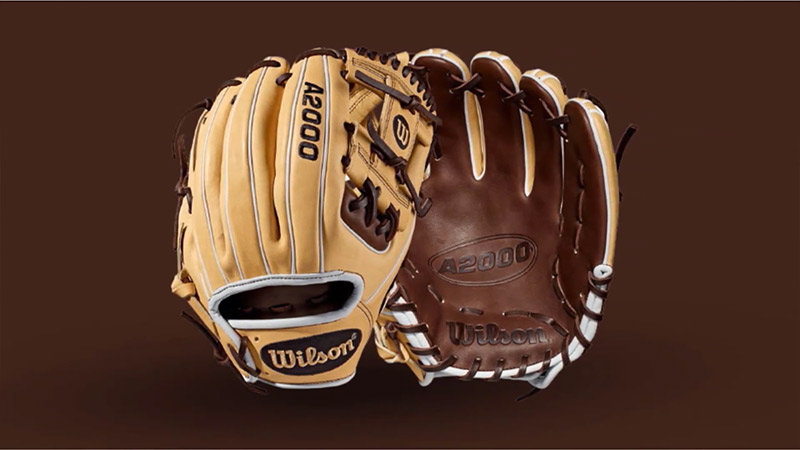
Stepping onto the baseball diamond at eight years old is a major milestone for young athletes.
Whether transitioning from tee-ball into coach-pitch or entering machine-pitch leagues, eight is the age when catching mechanics, spatial awareness, and hand-eye coordination take center stage.
Yet, one of the most frustrating obstacles young players face isn’t a fast pitch or a tough grounder—it is playing with the wrong size glove.
A glove that is too stiff, too heavy, or oversized forces a child to fight their equipment rather than focus on catching the ball.
Conversely, choosing the ideal glove size builds immediate catching confidence, encourages proper technique, and makes practice fun.
The Sizing Paradox: Brand Charts vs. 8-Year-Old Realities
When parents head to a sporting goods store or browse manufacturer charts, they often encounter broad age brackets.
Official equipment tables frequently group all youth players aged 7 through 12 into a single category. In these general charts, youth infield gloves range from 10.25 to 11.5 inches, while youth outfield gloves stretch from 11.5 to 12.25 inches.
While a 12-inch glove might fit an 11- or 12-year-old whose hand has matured, placing a 11.5-inch or 12-inch glove on an 8-year-old creates severe mechanical issues.
Player Focus | Recommended Size | Mechanical Benefit |
|---|---|---|
Infield / All-Around | 10.25″–10.75″ | Fast transfers and easy control |
Default Standard | 10.50″–11.00″ | Optimal balance for age 8 |
Outfield / Utility | 11.00″–11.25″ | Extended reach on fly balls |
Oversized (Avoid) | 11.50″+ | May cause glove dumping and dropped catches |
The “Glove Dumping” Phenomenon
When an 8-year-old uses a glove that is too big or top-heavy, their small forearm and hand muscles struggle to keep the leather upright.
As a fly ball or pop-up approaches, the child instinctively opens their entire hand and wrist to fight the weight of the glove.
This involuntary opening flattens the pocket right before impact, causing the ball to hit the heel or palm and pop out—a mistake coaches call “glove dumping”.
Selecting a smaller, lighter glove (10.5″ to 11″) keeps the pocket structured and allows the fingers to close naturally around the ball.
How to Measure an 8-Year-Old’s Hand and Glove Size
To guarantee a secure fit, you need to look at two distinct dimensions: the length of your child’s hand and the measurement pattern of the baseball glove.
Step 1: Measure Hand Length (Palm to Middle Finger)
Take a soft fabric measuring tape and measure from the base of the palm (the top crease of the wrist) to the tip of the middle finger.
- 5.5 to 6.0 inches: The child has a smaller hand stall requirement. Stick strictly to a 10.25″ to 10.5″ glove.
- 6.0 to 6.5 inches: Average hand size for an 8-year-old. A 10.5″ to 11″ glove provides a seamless balance of fit and room to grow.
- 6.5+ inches: Larger hand size for the age group. An 11″ to 11.25″ glove will fit comfortably.
Pro Tip: You can also cross-reference hand length with youth batting glove sizing documentation. An 8-year-old wearing a Youth Small (6″ to 6.25″) or Youth Medium (6.25″ to 6.5″) batting glove aligns perfectly with a 10.5″ to 11″ baseball glove pattern.
Step 2: Understand How Baseball Gloves Are Measured
Baseball gloves are not measured like shoes or clothing. Manufacturer glove sizing measures the physical distance from the top of the index finger, down along the inside pocket, to the center of the heel pad.
- Always check the stamped size on the pinky finger or inner palm of the glove.
- Never use a flat ruler across the outside back of the glove, as the deep curve of the pocket will throw off your measurement.
Step 3: Apply the Half-Inch Growth Rule
Children grow rapidly, and parents naturally want equipment to last multiple seasons. However, allowing more than a half-inch of room to grow ruins hand leverage.
- If your child currently fits a 10.5-inch glove, moving to an 11-inch model builds in plenty of room for 12 to 18 months of physical growth without sacrificing ball control.
- Jumping directly to an 11.5-inch or 12-inch glove to “save money next year” leads to dropped balls and mounting frustration on the field.
Sizing Breakdown by Position for 8U Baseball
At eight years old, most Little League and recreational programs encourage players to rotate through various positions to build foundational skills.
Unless your child plays on an advanced travel team with fixed roles, an all-purpose 10.5-inch to 11-inch glove is the best starting choice.
Infielders (10.25″ – 10.75″)
Infield play requires quick hand-eye reactions, field scoops on short hops, and fast ball transfers from the glove to the throwing hand.
A smaller pattern keeps the pocket shallow, allowing short-stop and second-base players to secure the ball and throw quickly without losing the ball in deep leather.
Outfielders (11″ – 11.25″)
Tracking fly balls in the outfield requires maximum surface area. An 11-inch to 11.25-inch glove gives an 8-year-old an extra half-inch of reach and a slightly deeper pocket to trap high pop-ups securely.
Specialized Mitts: Catcher and First Base at 8U
- Catchers: In coach-pitch or early kid-pitch leagues, dedicated catcher’s mitts (measured by circumference, typically 30 to 31 inches for youth) are helpful for protection. However, many 8U teams simply have catchers use their standard 10.5″ or 11″ fielders glove to maintain comfort.
- First Base: First base mitts feature a longer, wall-like design without individual finger slots. At age eight, a standard 11-inch utility glove works exceptionally well for first base without forcing a family to buy a single-position mitt.
Three Non-Negotiable Features for Youth Gloves
Size is only one part of the equation. A perfectly sized 10.5-inch glove can still fail on the field if it lacks three essential structural features tailored for young hands.
1: 90% Factory Pre-Break-In
Adult gloves are designed with stiff, heavy steerhide that requires weeks of oiling, beating, and playing catch to form a pocket. Eight-year-olds do not possess the hand strength or patience required to break in stiff leather.
- Look for gloves explicitly advertised as having an 80% to 90% factory break-in.
- These gloves use soft full-grain pigskin or synthetic leather blends that allow the player to squeeze the glove completely shut on day one.
2: Youth Hand Stalls (Pro Taper / ContoUR Fits)
Adult gloves have wide finger slots and broad wrist openings meant for grown hands. If an 8-year-old puts their hand in an adult-pattern glove, their fingers “swim” inside, leading to a complete loss of leverage.
- Quality youth gloves utilize Youth Pro Taper or ContoUR fit patterns.
- These designs feature lowered finger stalls and narrowed wrist openings that grip a child’s hand snuggly, allowing every finger movement to transfer directly into glove action.
3: Soft Leather & Easy Closure Systems
Many top manufacturers engineer specific palm flex notches to assist smaller hands. Features like strap-back closures, notched heels, or specialized closing webs allow young players to squeeze the glove without forearm fatigue.
In-Depth Analysis of Top Baseball Gloves for 8-Year-Olds
To simplify your decision, here is a detailed breakdown of six top-performing youth baseball gloves engineered specifically for eight-year-old players.
1. Rawlings Select Pro Lite (Best Overall)
- Size Availability: 10.5″, 11″.
- Key Features: 90% factory break-in, Youth Pro Taper fit, leather palm construction, MLB player model designs.
- Why It’s Ideal for Age 8: The Select Pro Lite stands out because it comes 90% broken in straight from the factory. Young players can unbox the glove and immediately play catch without struggling against stiff materials. The scaled-down finger stalls and slim wrist pattern fit an 8-year-old hand firmly, giving them complete physical control over ball transfers.
2. Wilson A500 (Best Value)
- Size Availability: 10″, 10.75″, 11″.
- Key Features: Top-grain leather, lightweight design, quick break-in.
- Why It’s Ideal for Age 8: The Wilson A500 offers real leather quality in a lightweight package. It is specifically built for young utility players who need a durable glove that breaks in rapidly. The 10.75-inch and 11-inch options offer an exceptional fit for 8-year-old infielders and outfielders alike.
3. Mizuno Prospect PowerClose (Best Budget Pick)
- Size Availability: 9″ to 11.5″.
- Key Features: Full-grain pigskin leather, patented PowerClose flex technology, butter-soft palm liner.
- Why It’s Ideal for Age 8: Available at an accessible price point, the Mizuno Prospect PowerClose is legendary in youth baseball. Its built-in flex hinge forces the glove to close heel-to-pinky, teaching 8-year-olds proper catching mechanics effortlessly. The soft pigskin leather requires virtually zero break-in time.
4. Wilson A450 (Best Fun Factor)
- Size Availability: 11″.
- Key Features: Quick Fit wrist closure, lightweight construction, eye-catching colorways.
- Why It’s Ideal for Age 8: Designed for kids who want gear that looks stylish while offering reliable performance, the A450 features an elastic wrist band that makes putting the glove on and taking it off simple. At 11 inches, it sits comfortably at the upper end of the 8U sizing spectrum, making it great for kids with slightly larger hands.
5. Rawlings Playmaker Camo (Best Visual Appeal & Durability)
- Size Availability: Multiple youth patterns.
- Key Features: High-durability synthetic and leather blend, camo style accents, padded palm.
- Why It’s Ideal for Age 8: For players transitioning from tee-ball to live pitch or machine pitch, the Playmaker Camo offers heavy-duty durability. It holds up to intense practice schedules, backstop throws, and dirt scrapes while keeping the weight light enough for easy handling.
6. Rawlings Sure Catch (Best for Beginners)
- Size Availability: Multiple youth patterns optimized for ages 6–10.
- Key Features: Strap-back closure system, cut-down heel notch, pre-formed pocket.
- Why It’s Ideal for Age 8: If an 8-year-old is playing organized baseball for the first time, the Sure Catch takes away the learning curve. The heel cutout allows the glove to squeeze shut with minimal hand force, helping beginners catch balls reliably on day one.
Conclusion
Finding the ideal baseball glove for an eight-year-old ultimately comes down to prioritizing immediate hand control and player confidence over oversized dimensions.
Sticking to a 10.5-inch to 11-inch pattern ensures optimal leverage, preventing the frequent dropped balls caused by heavy, cumbersome leather.
Combining this sizing with youth-specific hand stalls and a 90% factory pre-break-in allows young athletes to open and squeeze the glove effortlessly on day one.
By choosing equipment built for their current hand size rather than forcing them to grow into a larger model, you set your player up for lasting fun and mechanical success on the diamond.