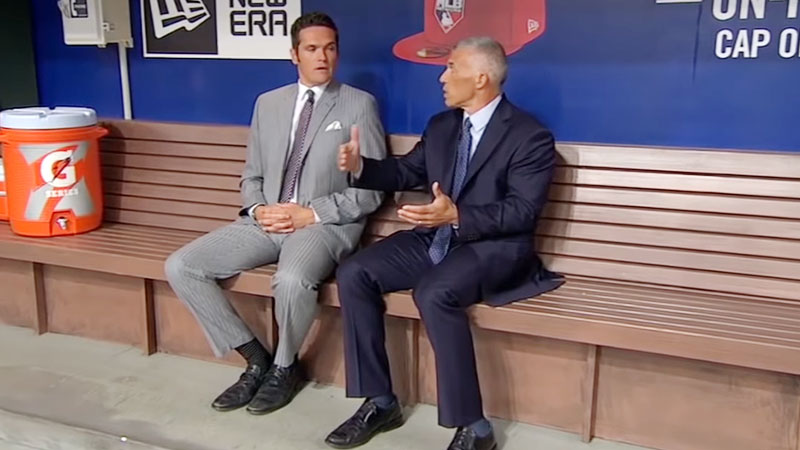
When fans watch a Major League Baseball broadcast, the camera frequently cuts to the dugout. Positioned right beside the manager sits an attentive figure holding a laminated chart, constantly leaning over to whisper tactical adjustments or review data between pitches.
To the casual observer, this individual might appear to be nothing more than a high-level spectator enjoying the best seat in the house. However, in modern professional baseball, the bench coach serves as the organizational backbone, tactical brain, and second-in-command for the entire franchise.
While hitting and pitching coaches focus on specialized player mechanics, the bench coach oversees the entire battlefield. From high-stakes in-game decision-making to complex off-field logistics, understanding the bench coach’s true responsibilities reveals how championship baseball teams are built, managed, and run.
The In-Game Consigliere: Real-Time Tactical Strategy
At its core, the bench coach functions as the manager’s chief strategic advisor and trusted sounding board during all nine innings.
Major League managers face dozens of high-stress decisions every night, and having a dedicated tactical partner prevents decision fatigue and emotional blind spots.
"The bench coach is usually not part of the in-game command structure like an underboss is. He is an advisor, just like the consigliere."
High-Leverage Decision Making
During a live game, the bench coach constantly evaluates upcoming scenarios two to three innings in advance. They discuss critical situational tactics with the manager, including:
- Pitching Matchups: Analyzing bullpen availability, pitch-tracking metrics, and batter-versus-pitcher splits to determine when to pull a starter.
- Pinch-Hitting & Pinch-Running: Identifying optimal bench player deployments based on opposing relief pitchers and game context.
- Small Ball & Aggressive Strategy: Weighing the statistical probability of executing sacrifice bunts, hit-and-run plays, or double steals.
Real-Time Defensive Alignment
Modern baseball is defined by precise positioning. While third base and first base coaches handle on-field baserunning signals, the bench coach works closely with video rooms and analytical staff to direct defensive positioning. They ensure fielders shift correctly for specific hitter tendencies, pitch types, and ballparks.
The Instant Interim Manager
One of the most visible in-game responsibilities occurs when tempers boil over. When a manager gets ejected by an umpire after arguing a contentious call, the bench coach immediately assumes full control of the team.
Because the bench coach is intimately familiar with the pre-game plan and tactical priorities, the transition is seamless. Whether taking over in the third inning or the ninth, they step into the managerial shoes without breaking the team’s momentum.
The Analytical Bridge: Translating Data into Action
The modern game relies heavily on advanced analytics, tracking systems, and statistical models.
However, raw data is useless if players and field leaders cannot process it under pressure. The bench coach acts as the primary translator between analytical departments and live dugout operations.
Processing Scouting Reports
Before the first pitch is thrown, bench coaches spend hours digesting massive scouting reports and statistical packages. They distill complex data points into concise, actionable insights for the manager:
- Batter Heat Maps: Identifying where opposing hitters make weak contact against specific pitch velocities and locations.
- Reliever Usage Limits: Tracking arm fatigue, back-to-back outing restrictions, and recovery metrics for the bullpen.
- Baserunning Tendencies: Charting opposing catchers’ pop-times alongside pitcher pickup moves to identify steal opportunities.
Bridging Front Office and Dugout
Front offices often approach game strategy from a purely quantitative perspective, whereas managers must contend with human elements like player fatigue, momentum, and confidence. The bench coach bridges this gap, balancing statistical recommendations with real-world clubhouse dynamics.
Off-Field Operations: The Engine Room of the Club
While fans only see the bench coach during game broadcasts, a significant portion of their workload occurs hours before the stadium gates open. They are the master architects of daily baseball operations and team scheduling.
Practice & Schedule Coordination
Running a 162-game regular season requires rigid organization. The bench coach is responsible for designing and executing daily operational schedules:
- Spring Training Logistics: Structuring multi-field workouts, squad games, and developmental drills for dozens of players across several weeks.
- Pre-Game Routines: Organizing outfield warmups, infield practice drills, pitcher throwing sessions, and batting practice rotations.
- Travel & Travel Day Workouts: Coordinating workout times around rigorous road trips, time zone changes, and late-night arrivals.
Synchronizing the Coaching Staff
A Major League coaching staff includes hitting instructors, pitching coaches, bullpen coordinators, base coaches, and strength specialists.
The bench coach acts as the chief operating officer for this unit. They ensure all coaching personnel are aligned on daily messaging, drill structures, and player development goals.
Complementing Managerial Skill Gaps
Every manager possesses unique strengths and weaknesses. A manager might excel at media relations and player motivation but struggle with deep statistical analysis. Alternatively, an analytical manager might lack empathy when communicating tough news to veterans.
An elite bench coach is intentionally hired to complement the manager’s specific personality and skill gaps:
- If the manager is high-strung, the bench coach provides a calm, stabilizing presence.
- If the manager focuses heavily on pitch design, the bench coach takes total ownership of team defense and situational baserunning.
- If the manager struggles with detail work or administrative tasks, the bench coach manages the day-to-day organizational burdens.
The Culture Liaison: Managing Egos and Communication
A baseball clubhouse is a complex environment filled with high-performing athletes, diverse backgrounds, and intense pressure. Maintaining team harmony over a grueling seven-month season requires constant communication.
Player-Manager Conduit
Players do not always feel comfortable approaching the manager directly regarding playing time, batting order drops, or personal struggles. The bench coach serves as an approachable liaison.
They gather honest player feedback, gauge clubhouse morale, and pass vital insights up to the manager before small issues transform into major distractions.
Delivering Strategic Feedback
When a manager decides to bench a struggling starter or alter a pitcher’s role, the bench coach often conducts the preliminary briefing. By explaining the tactical reasoning behind organizational decisions, they help players stay focused on collective team success rather than individual frustration.
The Premier Pipeline: The Manager-in-Waiting
The bench coach position is widely recognized across professional baseball as the ultimate proving ground for future managers.
"The position is a major stepping stone to a full managerial job; many bench coaches are former managers or get promoted to lead major league clubs."
Why Franchises Value Bench Coaches as Managerial Candidates
Working as a bench coach provides direct exposure to every facet of running a franchise—media pressure, bullpen management, front-office collaboration, and tactical decision-making. As a result, executives frequently target successful bench coaches when filling managerial vacancies.
The Two Profiles of Modern Bench Coaches
Major League organizations generally hire bench coaches from two distinct candidate pools:
- The Rising Star: A young, analytically minded coach rising through player development who is being groomed to lead a franchise in the near future.
- The Veteran Mentor: A former Major League manager who brings decades of wisdom, offering experienced guidance to a younger or first-time manager.
Comprehensive Comparison: Bench Coach vs. Other Dugout Roles
To appreciate the distinct scope of the bench coach, it helps to contrast their duties with other specialized coaching roles in the dugout:
- Bench Coach: Oversees overall game flow, in-game strategy, defensive shifts, daily practice schedules, and total coaching staff coordination. Serves as second-in-command.
- Hitting Coach: Focuses specifically on swing mechanics, pitch recognition, video analysis of opposing pitchers, and individual batter approaches.
- Pitching Coach: Manages pitcher mechanics, game planning with catchers, bullpen warming sequences, and mound visits.
- Third Base Coach: Controls baserunning decisions in real time during plays, gives relay signals to batters, and directs outfield defense during games.
- First Base Coach: Tracks pitcher pickoff moves, assists baserunners with steal timing, and coaches infield positioning.
Final Thoughts
In professional baseball, wins and losses are ultimately attributed to the manager and the players on the field. Yet behind every successful manager stands a bench coach working tirelessly behind the scenes.
From decoding analytics and mapping out daily schedules to managing high-stress in-game tactics and preserving clubhouse culture, the bench coach is far more than an assistant. They are the operational glue and strategic engine that keeps a championship team running at peak performance.