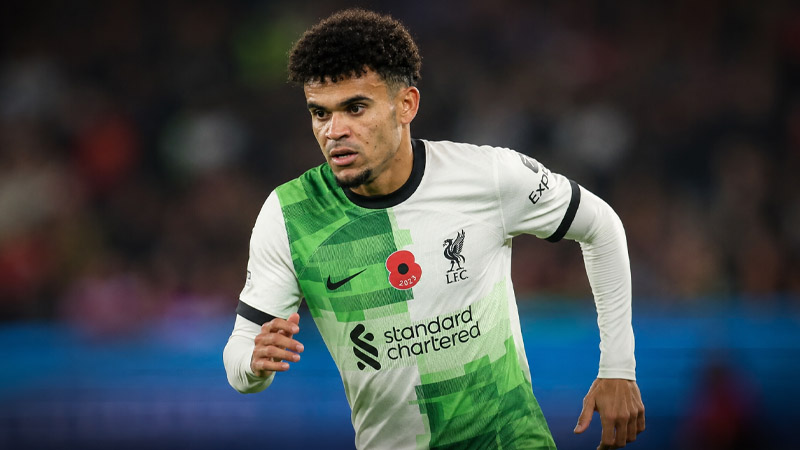
Luis Díaz’s arrival at Anfield redefined Liverpool’s attacking recruitment strategy during a pivotal transition. Initially seen as a long-term successor to the club’s established front three, his financial footprint offers a fascinating case study.
By securing him from FC Porto, the Reds demonstrated an elite ability to navigate complex market conditions. This analysis explores the initial transfer fee, performance-triggered bonuses, and the ultimate return on investment following his move to Germany.
Understanding these figures reveals the club’s disciplined approach to squad building and capital management. It remains a benchmark for data-driven player acquisition in the modern era.
The Initial Transfer Structure: Breaking Down the Porto Deal
Liverpool’s recruitment team identified Luis Díaz as a priority target in January 2022. They moved swiftly to secure his signature ahead of international rivals.
The initial guaranteed fee was £37.5 million, which converted to roughly €45 million. This base payment provided Porto with immediate liquidity during the winter window.
The following table outlines the foundational financial components of the acquisition from the Portuguese giants. It illustrates the gap between the initial outlay and the potential maximum value of the deal.
| Financial Component | Amount (GBP) | Amount (EUR) | Status |
|---|---|---|---|
| Guaranteed Base Fee | £37.5 Million | €45 Million | Paid in 2022 |
| Maximum Potential Add-ons | £12.5 Million | €15 Million | Performance Dependent |
| Total Potential Cost | £50.0 Million | €60.0 Million | Cap Limit |
| Total Realized Cost | £43.0 Million | €49.0 Million | Final Total |
Performance Bonuses and Add-Ons: A Risk-Mitigated Approach
The deal included a complex layer of performance-related incentives designed to protect Liverpool’s capital. These triggers ensured that the selling club only received additional funds if specific milestones were reached.
The Trigger Mechanisms
Liverpool structured these add-ons around team success and individual appearances. This strategy aligns with the club’s broader philosophy of paying for proven output rather than potential.
Common milestones in such agreements include winning domestic league titles or qualifying for elite European competitions. These clauses allow the buying club to manage cash flow while rewarding the player’s contribution.
Total Realized Expenditure
Despite the maximum potential cost reaching £50 million, the actual expenditure was lower. Only £5.5 million of the agreed add-ons were eventually triggered during his three-and-a-half seasons.
This brought the final total cost for the Colombian international to approximately £43 million. This figure represents an exceptional value given his consistent impact on the pitch.
Luis Díaz’s Impact: Quantifying On-Pitch Value
The investment in Díaz yielded significant returns through his technical contributions and physical output. He quickly transitioned from a promising winger to a vital component of the starting lineup.
Statistical Dominance
Díaz recorded 41 goals in 148 appearances during his tenure at Anfield. His most prolific season occurred in 2024-25, where he scored 17 goals across all competitions.
His efficiency improved significantly over time, reaching a shot conversion rate of 18.3%. This metric placed him among the most clinical finishers in the Premier League during his peak years.
Delivering the 20th Title
His contributions were instrumental in Liverpool securing their 20th Premier League title. He provided 13 goals during that historic campaign, cementing his legacy with the supporters.
Beyond scoring, his work rate set him apart from other wingers in the division. He won possession in the final third more than any other teammate relative to his minutes played.
The Financial Pivot: Transitioning to Bayern Munich
In July 2025, Liverpool reached an agreement to sell Díaz to Bayern Munich. The deal signaled a strategic shift as the club looked to refresh the squad and realize a profit.
The €75 Million Agreement
The German champions agreed to a total package worth £65.5 million, or €75 million. This figure represented the full market value as assessed by the Liverpool hierarchy.
The fee marked a substantial increase from the £43 million Liverpool had actually spent. This profit allowed the club to maintain a healthy net spend while pursuing new targets.
Replacing an Unsettled Star
Reports indicated that Díaz had first expressed a desire to leave as early as 2024. Despite this, the club held firm to ensure they maximized the eventual transfer fee.
The move gained momentum after Bayern Munich lost Jamal Musiala to a long-term injury. The Bavarian club viewed Díaz as the ideal candidate to maintain their offensive pressure.
Wage Structure and Financial Sustainability
Liverpool’s ability to manage their wage bill is a key component of their long-term stability. The financial details of Díaz’s contract highlight the challenges of modern player retention.
The Contract Disparity
Upon joining from Porto, Díaz was reportedly earning a weekly wage of approximately £55,000. This was considered low relative to his growing status as a Premier League star.
While the club was happy with his output, they were cautious about offering massive raises. They generally avoid long-term, high-value contracts for players approaching their thirties.
Seeking Market Parity
Two separate attempts to extend his contract failed due to a gap in valuation. The player’s representatives sought a package that reflected his importance to the team.
As he entered the final two years of his deal, the risk of his value depreciating increased. Selling him at age 28 allowed the club to exit at the peak of his marketability.
Capital Reinvestment: Funding the Next Generation
The funds generated from the sale of Díaz were immediately redirected into the squad. This “sell-to-buy” efficiency is a hallmark of the current ownership group’s methodology.
The Florian Wirtz Acquisition
Liverpool committed roughly £290 million to summer signings, including German star Florian Wirtz. The capital from the Díaz deal helped balance these significant outlays.
Wirtz and other new arrivals like Hugo Ekitike represent the next phase of the club’s evolution. They provide younger options with high resale potential in the future.
Strategy for Future Growth
The departure of established players creates the necessary financial room for marquee signings. Speculation continues to link the club with elite targets like Alexander Isak.
By maintaining a positive net spend, Liverpool remains compliant with Profit and Sustainability Rules. This disciplined approach ensures they can compete for major trophies every season.
Comparison: How the Market Viewed the Fee
Analyzing the Díaz deal alongside other contemporary transfers provides essential context. It highlights why many experts consider the Porto acquisition a masterclass in scouting.
| Player Comparison | Transfer Fee (Approx) | Context |
|---|---|---|
| Luis Díaz (to LFC) | £43 Million | Realized cost after add-ons |
| Noni Madueke | £50 Million | Comparison for market inflation |
| Hugo Ekitike | £69 Million | Recent LFC attacking investment |
| Luis Díaz (to Bayern) | £65.5 Million | Resale value at age 28 |
Enhanced FAQ Section
What was the exact amount Liverpool paid Porto for Luis Díaz?
Liverpool paid an initial guaranteed fee of £37.5 million. The final cost rose to approximately £43 million after specific performance add-ons were triggered.
Did Liverpool make a profit on the Luis Díaz transfer?
Yes, the club generated a profit of roughly £22.5 million. They bought him for £43 million and sold him to Bayern Munich for £65.5 million.
Why did Liverpool decide to sell Luis Díaz in 2025?
The sale was driven by the player’s desire for a move and a failure to agree on new contract terms. Liverpool also wanted to reinvest the capital into younger talents like Florian Wirtz.
What were the specific add-ons in his Porto contract?
The deal included up to £12.5 million in performance-related bonuses. However, only £5.5 million of these were actually paid out during his time at the club.
How much was Luis Díaz earning at Liverpool?
He was reportedly on a contract worth £55,000 per week. His request for a significant wage increase was one of the factors leading to his departure.
The Strategic Conclusion: A Legacy of Financial Efficiency
The financial lifecycle of Luis Díaz at Liverpool serves as a definitive example of modern football management. From the initial scouting in Portugal to the final negotiations with Bayern Munich, every step was calculated.
The club successfully identified a high-value asset, utilized his peak athletic years to win a Premier League title, and then exited the investment at a significant profit.
This approach allows the organization to sustain excellence without compromising its long-term economic health.
As the squad transitions under new leadership, the lessons from the Díaz deal remain relevant. The ability to find value where others see risk is what keeps the club at the pinnacle of the sport.
While supporters will miss his technical flair on the left wing, the financial foundation he helped build will support the next era of success at Anfield.
The £43 million spent in 2022 was not just a transfer fee; it was a strategic investment that paid dividends both on the scoreboard and the balance sheet.