The world of elite football is often a stage for high-octane performance, tactical genius, and, occasionally, a mystery that captures the collective imagination of the digital age.
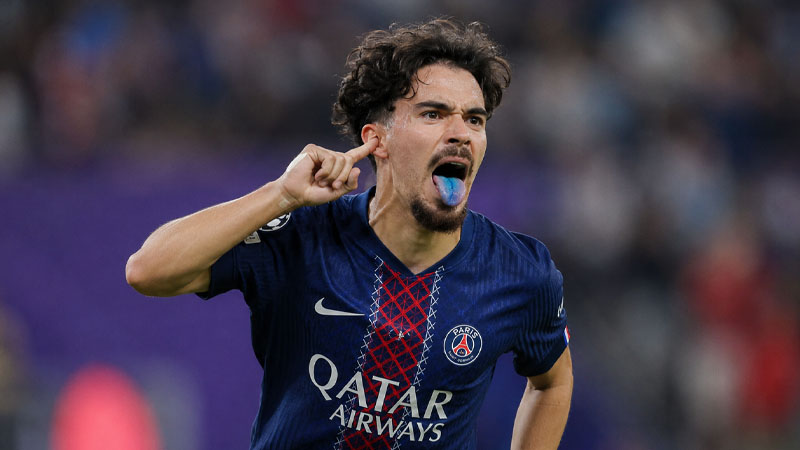
In recent seasons, one particular visual quirk has transcended the pitch of the Parc des Princes, becoming a recurring topic of discussion across social media platforms: the unmistakably cerulean tongue of Paris Saint-Germain’s midfield engine, Vitinha.
While the Portuguese international continues to dictate the tempo of top-tier matches with surgical precision, fans and commentators alike have found themselves captivated by his azure-tinted celebrations.
This phenomenon is more than a mere curiosity; it is a intersection of modern sports science, athlete lifestyle, and the power of digital community storytelling.
The Performance Catalyst: Science Behind the Shade
At the pinnacle of professional athletics, every marginal gain is pursued with relentless focus. For a player like Vitinha, who is celebrated for his ability to cover vast distances and maintain high-intensity output throughout ninety minutes, physiological maintenance is a constant requirement during a match.
The primary explanation for his distinctive appearance lies in the sophisticated world of sports nutrition.
The discoloration is widely attributed to the consumption of specialized sports drinks, energy gels, or flavored supplements.
These products are engineered to provide immediate carbohydrate replenishment and essential electrolytes to athletes during periods of extreme physical exertion.
Many of these performance-enhancing liquids and gels utilize artificial dyes to distinguish flavors or align with brand identities.
Because Vitinha is recognized for his tireless work rate in the midfield, he frequently utilizes breaks in play to hydrate and restore his glycogen levels.
The repetitive use of these blue-tinted supplements throughout a match leads to a temporary but deep staining of the lingual tissue.
What spectators see during a post-match trophy lift or a high-energy celebration is the physical evidence of an athlete refueling for peak output.
The Workhorse Ethic: Why Vitinha Specifically?
One might wonder why this particular aesthetic is so closely associated with Vitinha compared to his peers. The answer lies in his specific role and his approach to the game.
As a central figure in PSG’s transition play, his metabolic demands are immense. The frequency with which he accesses these energy-dense gels and drinks is a direct reflection of his “workhorse” reputation.
In the heat of competition, the dye in these products—often blue raspberry or similar fruit-themed profiles—becomes a “trademark look”.
It serves as a visual marker of his commitment to staying at the physical limit of his capabilities.
While other players may opt for clear liquids or consume fewer supplements, Vitinha’s reliance on these performance aids has turned a side effect of nutrition into a recognizable part of his professional persona.
The Digital Folklore: Fan Theories and Cultural Impact
In the absence of a formal medical bulletin explaining the discoloration, the internet has done what it does best: created a rich tapestry of folklore.
The PSG fan community on platforms like Reddit has embraced the mystery, blending humor with genuine admiration for the player’s talent.
The Extraterrestrial Hypothesis
A popular sentiment among the supporters is that Vitinha’s performance is so far beyond human standards that he must be of extraterrestrial origin.
Fans have jokingly suggested that the blue tongue is proof he is an “alien” or “matter from outer space”.
This narrative posits that his ability to transform a game is as otherworldly as his appearance, with some even humorously claiming they have seen him “transformed into Napoleon” on the streets of Paris.
The Anime Inspiration
The intersection of football culture and pop culture is evident in the “Super Saiyan Blue” (SSJ Blue) theory. Referencing the popular Dragon Ball series, fans suggest that the midfielder is undergoing a power-up transformation during matches.
This comparison resonates with a younger demographic of fans who view his high-energy playstyle as a real-world equivalent to a fictional hero reaching a new level of strength.
The Identity Factor
Perhaps the most poetic theory is the idea that Vitinha has quite literally bled the colors of his club.
Since blue is a primary color of the Paris Saint-Germain identity, supporters often remark that he is a “true PSG player” whose very biology has aligned with the team’s kit. This serves as a powerful symbol of loyalty and integration into the club’s culture.
Supplementing the Talent: Gum, Candy, and Potions
Beyond the high-tech energy gels, some observers have noted more mundane possibilities. There is evidence and speculation regarding his use of blueberry-flavored chewing gum during matches.
Chewing gum can help athletes manage dry mouth and maintain focus, and if that gum contains strong artificial flavorings, the result is the same azure glow seen in match photography.
Others have suggested the use of vitamins or supplements in candy form, which are often preferred by athletes who want a quick burst of glucose without the heaviness of a full meal.
Whether it is a “magical potion” or a simple blue raspberry candy, the outcome has become a “signature Vitinha look” that is instantly identifiable in every trophy-winning moment.
The Strategic Branding of a Mystery
From a branding perspective, the blue tongue has transitioned from a curious accident to a unique identifier. In a world of polished athlete images, these small, humanizing, and slightly odd traits create a deeper connection between the player and the fanbase.
It has become a “running gag” that keeps his name in the digital conversation even when the ball isn’t rolling.
This organic growth of a “trademark” is a testament to how modern fandom operates. It takes a functional necessity—hydration and nutrition—and elevates it into a piece of club lore.
For Vitinha, the blue tongue is not something to be hidden; it is a badge of his tireless effort and his status as a fan favorite.
Enhanced FAQ: Everything You Wanted to Know
Is Vitinha’s blue tongue a medical concern?
No. It is widely understood to be a temporary staining caused by artificial dyes in sports nutrition products, such as energy gels and drinks. There is no indication of any underlying health issue.
Does he do it on purpose for branding?
While it has become a trademark look, it appears to be an organic result of his hydration habits during intense matches. However, the player and the club have leaned into the fun of the situation as it resonates with fans.
What specific products cause the staining?
While the exact brand is not always confirmed, common culprits in a football environment include energy drinks like Gatorade or Powerade, as well as specialized glucose gels used by elite runners and footballers.
Does he ever have a normal-colored tongue?
Yes. The staining is temporary. In press conferences or everyday life, the discoloration fades as the dyes are naturally cleared from the mouth.
Why don’t all PSG players have blue tongues?
Different players have different hydration preferences. Some may prefer water or clear electrolyte drinks, while others may not consume as many gels as a high-mileage midfielder like Vitinha.
The Azure Legacy
As Paris Saint-Germain continues to chase domestic and European glory, the image of Vitinha—arms outstretched, celebrating a crucial goal with a flash of blue—will remain one of the most iconic sights of this era.
It is a reminder that even at the highest levels of professional sport, there is room for a little mystery, a lot of personality, and a color-coded testament to the hard work happening behind the scenes.
Whether he is a “Super Saiyan,” a “true Parisian,” or simply a very thirsty midfielder, Vitinha has proven that he is essential to the club’s future. The mystery of the blue tongue is solved, but the legend of the player behind it is only just beginning.