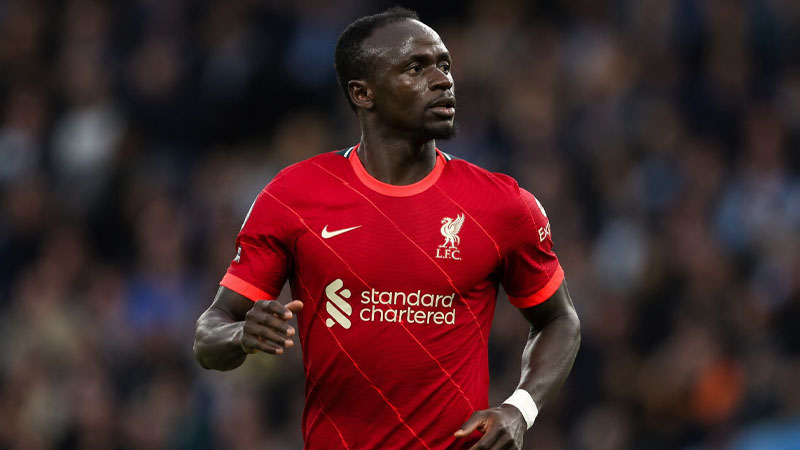
Sadio Mané’s departure from Liverpool in the summer of 2022 remains one of the most discussed transfers in modern football history.
After six years of relentless pressing, iconic goals, and domestic and continental dominance, the Senegalese forward traded the Merseyside rain for the Bavarian giants, Bayern Munich.
While the move stunned many, it was the culmination of strategic professional desires, contractual timing, and a personal philosophy centered on growth.
This analysis explores the multifaceted reasons behind his exit, moving beyond the headlines to understand why a club legend chose to walk away at the peak of his powers.
The Official Narrative: Seeking a “New Challenge”
The most prominent and publicly acknowledged reason for Sadio Mané leaving Anfield was his profound desire for a fresh competitive environment.
After achieving nearly every major milestone possible in English and European football, Mané felt that his time in the Premier League had reached its natural conclusion.
He did not view this as a rejection of the club, but rather as a necessary step for his own evolution as an athlete who has spent his entire life overcoming obstacles.
Stepping Beyond the Comfort Zone
Mané explicitly stated that Liverpool had become his “comfort zone”. In a career defined by rapid upward mobility—from a small town in Senegal to the heights of European football—staying in a familiar environment felt contrary to his personal ethos.
By the summer of 2022, Mané had helped secure the UEFA Champions League, the Premier League title, the FA Cup, the FIFA Club World Cup, and the League Cup.
Having conquered these peaks, he felt the right time to move on was while he was still at his physical and competitive zenith, ensuring he left as a hero rather than a player in decline.
A Lifelong Philosophy of Self-Testing
To understand Mané’s decision, one must look at his background. He noted that his life has always been a series of challenges, and he felt a psychological need to continue that trend.
Moving to the Bundesliga was not just about winning more trophies, but about the “challenge” of adapting to a new league, a new language, and a new culture in Germany.
While some critics argued that joining a dominant team like Bayern Munich was not a true “challenge,” Mané viewed it as a personal test to prove his worth in a different footballing ecosystem.
The Financial Realities and Contractual Deadlock
While personal ambition played a major role, the business side of football was equally influential. Mané’s departure was not a sudden impulse but a calculated move influenced by his contract status and Liverpool’s internal financial hierarchy.
As he entered the final phase of his deal, the club was forced to make difficult decisions regarding their aging but legendary front three.
The Valuation and Transfer Dynamics
In the summer of 2022, Mané was entering the final year of his contract. For Liverpool, this presented a strategic crossroads: risk losing a world-class asset for free in 2023 or monetize his transfer value immediately.
Bayern Munich presented a package that ultimately met Liverpool’s valuation, allowing the club to reinvest in younger talent.
| Component | Value (GBP) | Value (EUR) |
|---|---|---|
| Guaranteed Transfer Fee | £27.5 Million | €32 Million |
| Appearance-Based Add-ons | £5.0 Million | €6 Million |
| Individual & Team Achievement Add-ons | £2.6 Million | €3 Million |
| Total Package Value | £35.1 Million | €41 Million |
This structure allowed Liverpool to walk away with a significant fee for a player in his early 30s, which is often cited as a masterclass in squad management.
The Impact of Wage Structures
Negotiations for a contract extension at Anfield reportedly stalled as the club focused heavily on securing a long-term, record-breaking renewal for Mohamed Salah.
Liverpool’s strict wage ceiling made it difficult to offer both superstars the astronomical raises they could command on the open market.
Reports suggested that Bayern Munich was willing to pay Mané significantly more than Liverpool’s established financial structure would allow, making the move financially logical for a player looking to maximize his final major career contract.
Internal Club Dynamics and the Quest for Individual Status
Football is a team sport, but at the elite level, individual recognition and internal priority are vital for a player’s legacy.
Throughout his tenure at Liverpool, Mané was part of a legendary trio, yet he often found himself in a complex hierarchy regarding marketing and media spotlight.
Stepping Out of the Shadows
Despite his immense contributions, Mané was often perceived as playing “second fiddle” to Mohamed Salah in terms of global marketing and internal club priority.
While the two maintained a professional relationship, the move to Bayern Munich offered Mané the opportunity to be the undisputed focal point and superstar of a European giant.
He sought an environment where he could be the primary “face” of the project, a role that was increasingly occupied by Salah at Anfield.
Tactical Shifts and Position Changes
Some observers noted that Mané’s role within the team had shifted over time. While he remained a “world beater” under Jürgen Klopp, the emergence of new attacking talents and tactical adjustments meant his influence was being shared.
Moving to Germany allowed him to reset his role on the pitch, potentially taking on the goal-scoring burden left by departing stars like Robert Lewandowski. This tactical refresh was an essential part of the “new experience” he craved.
Professionalism and the “One-Year Notice”
One of the most remarkable aspects of Sadio Mané’s exit was the level of professionalism he maintained throughout the process.
Unlike many modern transfers that involve media leaks and public fallout, Mané’s departure was handled with transparency and mutual respect between the player and the manager.
Transparency with Jürgen Klopp
Mané did not spring his exit on the club at the last minute. He informed Jürgen Klopp of his desire to leave a full year before the actual transfer took place.
This “one-year notice” gave Liverpool ample time to plan for a future without him, scouting replacements and adjusting their long-term strategy.
This level of courtesy is rare in professional football and cemented his status as a “pro” who respected the club until his final day.
Loyalty to the Liverpool Supporters
In subsequent interviews, it was revealed that other Premier League clubs, including rivals like Manchester City, had shown interest in signing the Senegalese star.
However, out of deep respect for his bond with the Liverpool fans, Mané explicitly ruled out staying in England. He did not want to face Liverpool as an opponent in domestic competition, choosing instead to move abroad to preserve his legacy at Anfield.
A Humanitarian Legacy and Personal Goals
Beyond the pitch and the bank balance, Sadio Mané’s motivations often stem from his life outside of football.
As a player known for his immense humility and charity work, his career decisions are frequently viewed through the lens of how they benefit his community in Senegal.
Funding Community Development
Mané is famous for his extensive philanthropic efforts, including building schools and hospitals in his home village.
While he never explicitly stated he moved for money, fans and analysts have noted that the increased wages at a club like Bayern Munich directly translate into more resources for his humanitarian projects.
For Mané, a higher salary isn’t about personal luxury; it is about the “increased wages going towards improving the living conditions of people in need”.
Summary of Achievements at Anfield
To understand why he felt he could leave “owing nothing” to the club, one must look at the sheer weight of his contributions. He was a cornerstone of the club’s return to the top tier of world football.
- Total Success: Won every major trophy available during his six-season tenure.
- Individual Brilliance: Finished as a runner-up in the Ballon d’Or, cementing his status as one of the world’s best.
- Consistency: Was a vital part of the “Golden Era” front three alongside Salah and Firmino.
- Cultural Impact: Left as a humble hero who influenced younger players with his work ethic.
Frequently Asked Questions
Why did Sadio Mané choose Bayern Munich specifically?
Bayern Munich offered a combination of a “top, top club” status, the chance to experience a new league, and a significant salary increase.
Additionally, with Robert Lewandowski wanting to leave at the time, it created a perfect opening for Mané to become the team’s central star.
Did Sadio Mané have a falling out with Jürgen Klopp?
No. By all accounts, the relationship remained professional and respectful. Mané gave Klopp a year’s notice of his intention to leave, and Klopp has consistently praised Mané’s impact on the club’s success.
Was Mohamed Salah the reason Mané left?
While not a direct “cause,” the contractual priority given to Salah and the media’s focus on him as the primary superstar contributed to Mané’s desire to find a new environment where he could be the undisputed focal point.
What was the final transfer fee for Sadio Mané?
The total package was worth £35.1 million (€41 million), consisting of a £27.5 million guaranteed fee plus various add-ons based on appearances and achievements.
Conclusion: The End of a Legendary Chapter
Sadio Mané left Liverpool not because of a lack of love for the club, but because he had reached the summit of his journey at Anfield and sought a new mountain to climb.
He left as a legend, second only to icons like John Barnes in his position, and his departure marked the end of an era for the most feared front three in world football.
By handling his exit with transparency, ruling out domestic rivals, and ensuring the club received a fair transfer fee, Mané protected his legacy.
He arrived as a promising talent and left as a “world beater” who had won everything, leaving the Anfield faithful with nothing but respect for his service.