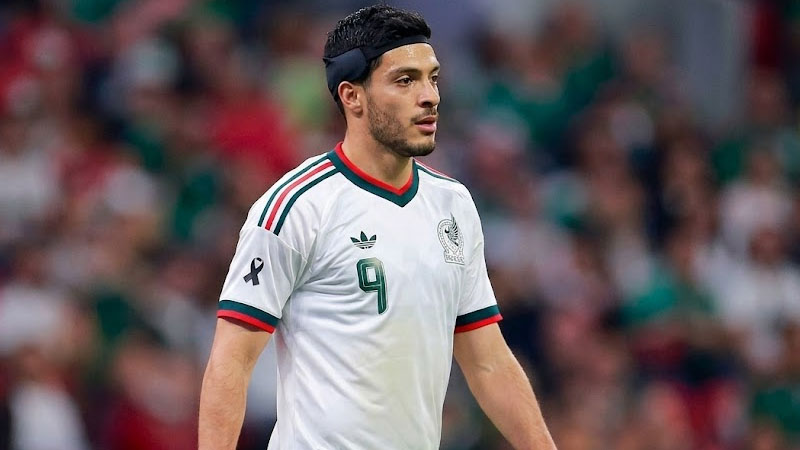
Raúl Jiménez is one of the most resilient strikers in the history of the Premier League. While spectators often focus on his clinical finishing, a distinct accessory has become synonymous with his presence on the pitch: a protective headband.
This is not a stylistic choice or a branding exercise. Instead, it is a crucial piece of medical technology that stands between the athlete and a potentially life-ending injury.
Understanding the journey from a tragic night in London to his triumphant return requires a deep look into the mechanics of head trauma and the incredible advancements in modern sports medicine.
The Life-Altering Collision at the Emirates Stadium
The narrative of the headband begins with a moment that changed the landscape of player safety in professional football forever.
On November 29, 2020, during a match between Wolverhampton Wanderers and Arsenal, a standard corner kick turned into a medical emergency that left the sporting world in shock.
The Moment of Impact and Immediate Aftermath
During the early stages of the game, Raúl Jiménez rose for an aerial challenge against Arsenal defender David Luiz. The resulting accidental collision was so severe that the sound of the impact was audible through the broadcast microphones.
Jiménez was left unconscious on the turf, leading to a ten-minute delay as medical staff worked frantically to stabilize him. The severity of the situation was immediate; he had suffered a major traumatic brain injury and a fractured skull.
Emergency Intervention and a Miraculous Survival
Jiménez was rushed to a specialist trauma center where surgeons discovered internal bleeding and a fracture that had pushed bone inward toward the brain. He underwent emergency surgery to relieve life-threatening pressure.
Medical professionals later stated that the fact he survived the incident at all was a “complete miracle,” as injuries of this magnitude often result in permanent neurological deficit or death.
The surgery was successful, but it marked the beginning of a new reality for the Mexican international.
Why Does Raul Jimenez Wear a Headband? The Medical Reality
Following such a catastrophic injury, the path back to the pitch was not guaranteed. The primary reason for the headband is rooted in the physical vulnerability of his skull following the surgical reconstruction and the inherent risks of a high-contact sport.
Essential Protection for the Fracture Site
The custom-built headguard is not a standard sweatband; it is a sophisticated piece of equipment featuring heavy-duty, reinforced padding.
This padding is strategically placed around the exact area where his skull was fractured to ensure that any future impact is absorbed by the gear rather than the bone.
The engineering goal is to prevent direct skull contact during the high-velocity challenges that are frequent in elite football.
A Permanent Mandate from Neurosurgeons
While some players might use protective gear temporarily during a recovery phase, Jiménez does not have that luxury.
Neurosurgeons and medical personnel have mandated that he must wear the protective gear during every match and every physical contact training session for the remainder of his professional career.
This requirement is a non-negotiable safety protocol designed to mitigate the risk of a secondary impact, which could be catastrophic given his medical history.
The Science Behind the Gear: Evolution of Protective Tech
The equipment Jiménez wears today is the result of rigorous testing and iterative design. Initially, the transition from a hospital bed to a Premier League stadium required a balance between maximum safety and the functional needs of a world-class athlete.
| Feature | Initial Design (Post-Surgery) | Modern Ultra-Thin Model |
|---|---|---|
| Material Density | High-density heavy-duty padding | Carbon-reinforced composite / Ultra-thin foam |
| Visual Field | Some interference with peripheral vision | Zero interference; streamlined fit |
| Weight | Noticeably heavy and bulky | Lightweight and aerodynamic |
| Primary Goal | Maximum impact absorption | Balance of safety and mobility |
From Bulky Prototypes to Refined Precision
The first iteration of the headgear was quite bulky, which presented significant challenges during his initial return to training.
Coaching staff observed that the original design interfered with his peripheral vision and his ability to judge the flight of the ball during aerial duels. In a game where milliseconds and millimeters determine a goal, this was a significant hurdle.
However, medical scientists eventually developed a lighter, ultra-thin model with localized padding that offered the necessary protection without compromising his movement or comfort.
Engineering for High-Performance Athletics
The modern headband uses advanced materials designed to disperse kinetic energy. When Jiménez heads a ball, the force is distributed across the surface of the headband rather than being concentrated on the site of his previous injury.
This specialized gear allows him to compete at the highest level while adhering to the strict safety standards set by his medical team.
The Long Road to Recovery and Mental Adaptation
The physical healing of a fractured skull is only one part of the journey. For an elite athlete, the psychological transition of returning to the site of a trauma is often the most difficult aspect to navigate.
Milestones in the 9-Month Rehabilitation
The journey from the operating table back to the starting lineup was an arduous nine-month process. This period involved:
- Neurological Monitoring: Extensive testing to ensure cognitive functions remained intact.
- Non-Contact Training: Slowly reintroducing cardiovascular work without any risk of head impact.
- Gradual Integration: Moving into light ball work and eventually full-contact sessions with the headband.
- Return to Play: Making his competitive comeback during the 2021–22 season.
Overcoming the “Heading” Mental Block
For a striker known for his aerial prowess, relearning how to head the ball with a protective layer was a significant challenge. Jiménez faced prolonged goal-scoring droughts as he adjusted his technique to the feel of the protective material.
The sensation of the ball striking the headband is different from striking the forehead, requiring a recalibration of his timing and power. He has openly admitted that the adjustment period was both mentally and physically demanding.
The Cultural Impact: From Injury to Identity
Despite the trauma associated with the headband, Raúl Jiménez has transformed a medical necessity into a symbol of defiance and strength. He has not allowed the gear to define him as a victim, but rather as a survivor who conquered the odds.
Embracing the “Pirate” Persona
In a display of incredible mental fortitude, Jiménez has famously embraced his new look. During various goal celebrations, he has used the headband as a prop, pulling it down over one eye to mimic a pirate.
This lighthearted approach has endeared him even further to fans, signaling that he is comfortable with his journey and the equipment that allows him to continue his passion. It has shifted the narrative from a tragic injury to a celebrated comeback.
A Beacon for Player Safety Standards
Jiménez’s case has become a primary reference point for discussions regarding head injuries in the Premier League.
His consistent use of the headband serves as a visible, daily reminder of the importance of concussion protocols and specialized medical equipment.
It has paved the way for other players to feel comfortable utilizing protective gear, ensuring that player longevity and health are prioritized over traditional aesthetics.
Frequently Asked Questions
Can Raúl Jiménez ever play without the headband?
No. Based on the advice of neurosurgeons, the headband is a mandatory requirement for the remainder of his football career. The risk of a second impact to the same area of the skull is too high to permit playing without it.
Does the headband give him an unfair advantage?
No, it is purely protective. In fact, it was initially a disadvantage, as the bulkiness interfered with his vision and heading accuracy.
The modern version is designed to be as neutral as possible, merely restoring his ability to play safely rather than enhancing his performance beyond his natural skill set.
What happened to the player who collided with him?
David Luiz, the Arsenal defender involved in the collision, was also deeply affected by the incident.
While it was ruled a completely accidental “clash of heads,” the event led to increased calls for “concussion substitutes” in professional football to ensure players are not rushed back onto the pitch after head trauma.
How did the headband affect his career stats?
Initially, there was a noticeable dip in his goal-scoring frequency as he adjusted to the 2021-22 season.
However, his perseverance has seen him continue to compete at the highest level in the Premier League, proving that elite performance is possible after major cranial surgery.
Conclusion: A Legacy of Resilience
The story of why Raúl Jiménez wears a headband is a powerful testament to human grit and the wonders of medical science. What began as a life-threatening tragedy on a cold November night has evolved into a career-defining narrative of survival.
The headband is more than just foam and fabric; it is a shield that allows a father, a teammate, and a world-class athlete to continue doing what he loves.
As he continues to lead the line and find the back of the net, the headband serves as a permanent fixture of his identity in the Premier League.
It reminds every spectator that while a career can be changed in a single second, the right combination of medical expertise and personal determination can overcome even the most daunting obstacles.
Raúl Jiménez didn’t just return to football; he redefined what it means to be a guardian of your own destiny.