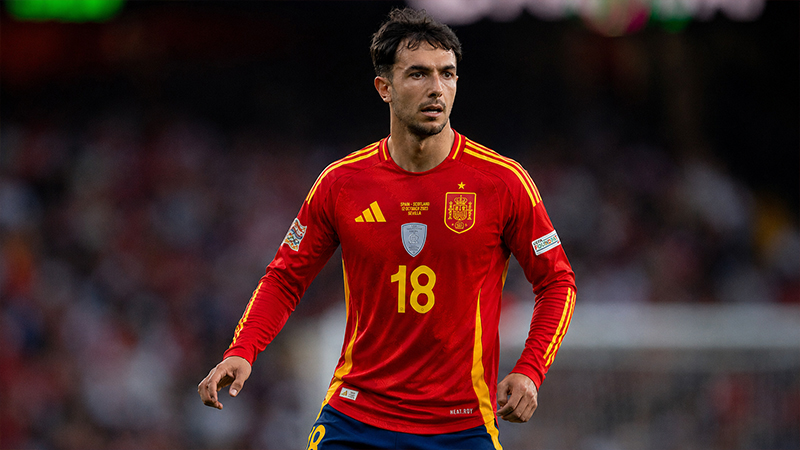
In the rapidly evolving landscape of modern football, few players embody tactical sophistication like Martín Zubimendi.
As a cornerstone for both Arsenal and the Spanish national team, his role on the pitch is often the subject of intense scrutiny by analysts and fans alike.
While he is primarily recognized as a defensive midfielder, his influence extends far beyond simple ball recovery.
By analyzing his contributions through the lens of elite-level competition, we can uncover how he balances the rigid responsibilities of a lone pivot with the creative freedom of a box-to-box engine.
The Fundamental Identity of Martín Zubimendi as a No. 6
To understand the impact of Martín Zubimendi, one must first recognize his foundational role as a defensive midfielder. Operating primarily as a lone pivot or a holding midfielder (No. 6), he serves as the structural anchor for his team.
This position requires a unique blend of physical endurance, mental acuity, and technical precision.
In the modern game, the lone pivot is the most demanding role in the midfield, as the player must act as both a shield for the defense and a launchpad for the attack.
The Structural Significance of the Lone Pivot
The lone pivot is a position that dictates the team’s shape. When Zubimendi occupies this space, he allows the full-backs and other central midfielders to push higher up the pitch, knowing that the “central corridor” is protected.
His presence ensures that the transition from defense to attack is seamless, providing a constant outlet for teammates under pressure.
By staying disciplined in his positioning, he minimizes the risk of counter-attacks, making him an indispensable asset for high-possession teams.
Anchoring the Midfield for Club and Country
Zubimendi’s ability to anchor the midfield is evidenced by his consistent performances for elite squads.
Whether he is representing Arsenal in the Premier League or the Spanish national team on the international stage, his primary objective remains the same: maintain the team’s structural integrity.
This consistency in role execution is what makes him one of the most reliable midfielders in world football today, providing a platform for more expressive players to thrive.
The Passing Metronome: Controlling the Tempo from Deep
A defining characteristic of Zubimendi’s game is his role as a “passing metronome.” This terminology refers to a player who sets the rhythm and tempo of the match through high-volume, high-accuracy passing.
Instead of waiting for the ball to reach the middle third, Zubimendi actively seeks out possession by dropping deep, often slotting between the two center-backs during the initial phases of the buildup.
| Tactical Attribute | Implementation in Zubimendi’s Game |
|---|---|
| Buildup Participation | Drops deep to collect the ball directly from center-backs to bypass high presses. |
| Tempo Control | Uses short, rapid passes to stabilize possession or long diagonals to switch play. |
| Press Resistance | Maintains composure under pressure, using body feints to create passing lanes. |
| Progression | Prioritizes forward-thinking passes that break the opposition’s first line of defense. |
By collecting the ball from deep, Zubimendi ensures that his team retains control during the most vulnerable moments of a match—the transition from the defensive third.
His ability to read the game allows him to identify where the space is, often before the opposition can react. This proactive approach to playmaking makes him the heartbeat of his team’s offensive strategy.
Defensive Intelligence: The Midfield Screen
While his technical ability is often highlighted, Zubimendi’s defensive contributions are equally vital. He does not rely solely on aggressive tackling or physical dominance; instead, he utilizes elite positional awareness and game-reading intelligence.
As a “defensive screen,” his goal is to prevent the ball from ever reaching the dangerous areas of the final third.
Key Defensive Responsibilities:
- Blocking Passing Lanes: Anticipating where the opponent wants to play the ball and intercepting it before the danger escalates.
- Interception Mastery: Using superior anticipation to step in front of attackers and regain possession cleanly.
- Backline Protection: Acts as the final barrier before the central defenders, ensuring they are not left in one-on-one situations.
- Space Denial: Constantly adjusting his position to ensure that the “pockets” of space between the lines remain inaccessible to the opposition’s creative players.
This “intellectual” style of defending is what separates world-class holding midfielders from the rest. Zubimendi understands that being in the right place at the right time is more effective than making a desperate sliding tackle.
By neutralizing threats before they materialize, he provides his defense with a sense of security that is difficult to quantify but impossible to ignore.
Tactical Versatility: The Shift to a Box-to-Box Role
Perhaps the most intriguing aspect of Martín Zubimendi’s profile is his tactical flexibility. While his “default” setting is a No. 6, he is increasingly utilized in a more dynamic capacity.
Depending on the tactical setup of the manager or the specific requirements of a match, Zubimendi occasionally shifts higher up the pitch into a box-to-box role, often referred to as a Central Midfielder (No. 8).
The Synergy with Defensive Specialists
This transition is typically made possible when Zubimendi is paired with another defensive-minded midfielder. For example, when playing alongside a player like Declan Rice at Arsenal, the defensive burden is shared.
This partnership grants Zubimendi the license to venture forward, knowing that the midfield remains anchored.
In these scenarios, the team shifts from a lone pivot to a “double pivot” or a more fluid midfield trio, allowing Zubimendi to showcase his offensive range.
Making Late Runs and Attacking Contributions
When operating as a No. 8, Zubimendi’s role changes from one of prevention to one of creation and execution. He becomes a threat in the final third, utilizing his stamina to make late runs into the box.
These runs often catch opposing defenders off guard, as they are primarily focused on the designated strikers.
By adding this layer to his game, Zubimendi transforms from a purely defensive player into a comprehensive midfield engine capable of contributing goals and assists.
Comparing the Roles: Lone Pivot vs. Central Midfielder
The beauty of Zubimendi’s game lies in the fact that he does not have to choose one identity over the other. Instead, he flows between these roles based on the phase of play.
In the defensive phase, he is the disciplined screen, sitting deep and organizing the players around him. He is the voice of the midfield, directing traffic and ensuring no gaps appear.
In the buildup phase, he is the playmaker. He is the player everyone looks for when they are in trouble, providing a safe option and then moving the ball forward with purpose.
In the attacking phase (when given the license to roam), he becomes a secondary creator. He supports the wingers, provides an option for cut-backs, and helps maintain the pressure on the opposition by recycling the ball high up the pitch.
This multifaceted approach is what makes him a “modern” midfielder in every sense of the word.
The Strategic Importance of Modern Midfield Flexibility
In current tactical trends, managers value players who can perform multiple functions without requiring a substitution. Zubimendi represents this trend perfectly.
His ability to adapt his positioning—whether he is dropping between center-backs to build play or charging into the box to finish a move—gives his coach immense tactical leverage.
If a team needs to lock down a lead, Zubimendi can retreat into his shell as a pure defensive screen. If the team needs a goal, he can push forward and provide an extra man in the attack.
This level of adaptability is rare and is a primary reason why he is sought after by the world’s most successful clubs.
Frequently Asked Questions About Martín Zubimendi
Is Zubimendi a better No. 6 or No. 8?
While he is world-class as a No. 6 (lone pivot) due to his elite game-reading and passing, his versatility as a No. 8 adds a significant dimension to his game.
His “best” position often depends on the team’s overall tactical needs and who he is partnered with in midfield.
How does he fit into Arsenal’s system?
At Arsenal, he often acts as the primary controller. However, when paired with robust midfielders like Declan Rice, he has the freedom to push higher up and participate in the attacking phases of the game.
What makes him different from other defensive midfielders?
Unlike traditional “destroyers” who rely on physical strength, Zubimendi wins the ball through superior positioning and intelligence. Furthermore, his ability to act as a passing metronome makes him more involved in the offensive buildup than a standard defensive midfielder.
Summary: A Master of the Midfield Domain
To answer the question, “what position does martin zubimendi play,” one must look beyond a single number. He is a defensive midfielder by trade, a lone pivot by design, and a playmaker by nature.
His ability to screen the defense, dictate the tempo of the match, and occasionally operate as a box-to-box No. 8 makes him one of the most complete midfielders of his generation.
Whether he is anchoring the midfield for the Spanish national team or orchestrating play for Arsenal, Zubimendi remains the vital link that holds the team together.
His tactical intelligence allows him to solve complex problems on the pitch in real-time, ensuring that his team remains balanced, creative, and defensively sound.
As football continues to trend toward more fluid and versatile systems, the value of a player like Martín Zubimendi will only continue to rise.