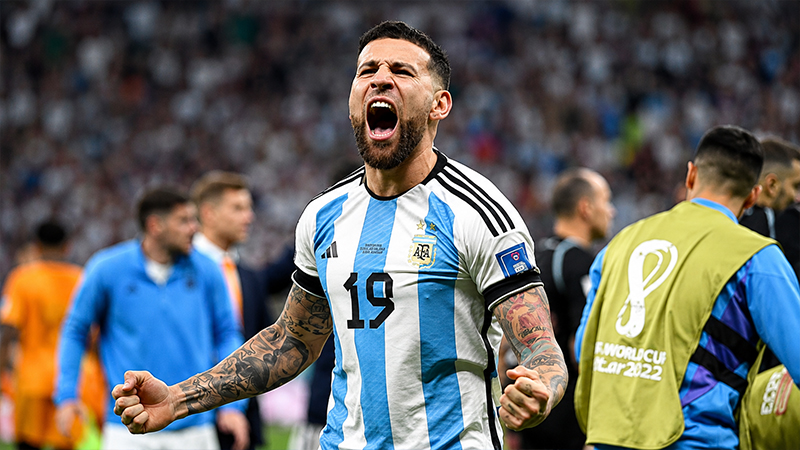
In the landscape of international football, few figures embody the resilience and tactical discipline of the Argentine defensive tradition as completely as Nicolás Otamendi.
As a cornerstone of the national team’s modern era, his identity is inextricably linked to the successes of a nation that views football not merely as a sport but as a central pillar of cultural heritage.
Understanding his background provides a window into the making of a world-class athlete who has maintained his status at the highest echelons of the game for over fifteen years.
The Foundations of an Argentine Icon: Birth and Geographic Roots
The narrative of Nicolás Otamendi begins in the heart of Argentina’s footballing nursery. Born on February 12, 1988, in El Talar, Buenos Aires, Argentina, his early years were shaped by the unique sporting environment of the capital province.
Buenos Aires is globally recognized for producing players with a specific blend of technical proficiency and “garra”—a term used in South American football to describe grit, courage, and a never-say-die attitude.
Otamendi’s Argentine nationality is more than a legal designation; it is the framework through which he approaches the game. Growing up in El Talar, a locality in the Greater Buenos Aires area, placed him in a region where football is the primary social currency.
This upbringing is a critical factor in his development as a professional, as the Argentine youth systems are renowned for their rigorous physical and mental preparation.
A Decade of National Service: The International Journey
The longevity of a professional athlete is often the most accurate metric of their value. Otamendi has represented the Argentina national team since 2009, demonstrating remarkable consistency as he has served under multiple coaching regimes and tactical philosophies.
To maintain a position in the Argentine backline for over a decade requires an exceptional level of adaptability. Since his debut, he has evolved from a high-energy prospect into a calculated veteran leader.
His role as a stalwart for the Argentine national team for such an extended period highlights his importance as a stabilizing force during both the team’s rebuilding phases and its periods of global dominance.
The Golden Era: 2021 to 2024
The zenith of Otamendi’s career coincides with the most successful period for Argentine football in recent history. His nationality and commitment to the “Albiceleste” were rewarded with a series of historic titles that solidified his legacy.
- The 2021 Copa América: This victory marked a turning point for Argentine football, ending a long trophy drought and proving that the current generation could succeed at the continental level.
- The 2022 World Cup: The pinnacle of any footballer’s career, Otamendi was a key defender in the squad that secured Argentina’s third star in Qatar. His presence in the central defense provided the necessary experience and physicality to navigate the high-pressure environment of a World Cup final.
- The 2024 Copa América: Most recently, he contributed to Argentina’s successful defense of their continental title, further cementing the team’s current status as the dominant force in international football.
These achievements are not merely entries in a trophy cabinet; they represent the culmination of a career dedicated to the national cause. For a player born in Buenos Aires, these titles represent the ultimate fulfillment of a professional and national duty.
Club Career and Professional Longevity
While his international achievements often take center stage, Otamendi’s club career provides the necessary context for his continued excellence.
He currently plays for Benfica, one of the most prestigious clubs in Portugal and a regular competitor in European continental competitions.
Maintaining a starting role at a club of Benfica’s stature well into his thirties is a testament to his professional standards. His move to Portugal followed a successful tenure in other top European leagues, where he consistently refined his defensive craft.
This blend of European tactical discipline and Argentine defensive aggression has made him a unique asset for both his club and his country.
The Tactical Profile: An Argentine Stalwart
The term “stalwart” is frequently used to describe Otamendi, and for good reason. In a professional context, this implies reliability, physical presence, and the ability to command a defensive unit.
As a key member of the Argentine backline, his responsibilities often extend beyond individual defensive actions.
He is tasked with organizing the defensive line, communicating with the midfield, and providing a psychological foundation of security for the more attack-minded players.
His style is characterized by:
- Proactive Defending: An innate ability to read the game and intercept play before it reaches the penalty area.
- Aerial Dominance: Despite not being the tallest defender in the world, his timing and leap make him a formidable presence in both boxes.
- Leadership: Serving as a bridge between the coaching staff’s instructions and the on-field execution, particularly for younger defenders entering the national setup.
Global Reach and National Pride
Otamendi’s career path—from Buenos Aires to the top tiers of European football and back to the summit of international glory—mirrors the journey of many Argentine greats. However, his specific contribution lies in his defensive consistency.
While Argentina is often celebrated for its creative attackers, players like Otamendi provide the essential structure that allows those creative talents to flourish.
His identity as an Argentine professional is defined by this service. Whether playing in the domestic leagues of Europe or representing his country in the heat of a South American qualifying match, his commitment to his roots remains a defining characteristic.
Professional Analysis: Why His Nationality Matters to Global Brands
From a strategic perspective, Otamendi represents more than just defensive statistics. He is a symbol of the Argentine “Global Brand” in sports.
- Market Influence: His status as a World Cup winner gives him significant reach across Latin America and Europe.
- Trust and Reliability: His decade-long tenure in the national team is a powerful signal of consistency—a trait highly valued by professional organizations and sponsors alike.
- Cultural Connection: He embodies the passion and resilience associated with Buenos Aires, making him a relatable figure for millions of fans globally.
Enhanced FAQ: Understanding the Argentine Defender
Where exactly was Nicolás Otamendi born?
He was born in El Talar, located in the Buenos Aires province of Argentina.
When did he begin his journey with the Argentina national team?
Otamendi has been a representative of the national team since 2009, making him one of the most experienced members of the current squad.
What are his most significant achievements for his country?
He has won three major international trophies in quick succession: the 2021 Copa América, the 2022 World Cup, and the 2024 Copa América.
What is his current professional club?
As of the latest records, he is playing for Benfica in Portugal.
How is his role within the team described?
He is considered an “Argentine defensive stalwart” and a “key member” of the backline, emphasizing his leadership and reliability.
Conclusion: A Legacy of Excellence
Nicolás Otamendi’s journey from El Talar to World Cup glory is a testament to the power of professional dedication and national pride.
As a quintessential Argentine defender, he has defined an era of footballing excellence for his country.
His career serves as a roadmap for aspiring athletes, demonstrating that longevity is achieved through a combination of tactical intelligence, physical preparation, and an unwavering connection to one’s roots.
For those following the trajectory of international football, Otamendi remains a primary example of how personal identity and professional duty can align to produce world-class results.
His story is not just about the trophies he has won, but about the decades of service he has provided to the Argentine shirt, ensuring his place in the history of the sport as a true defensive icon.