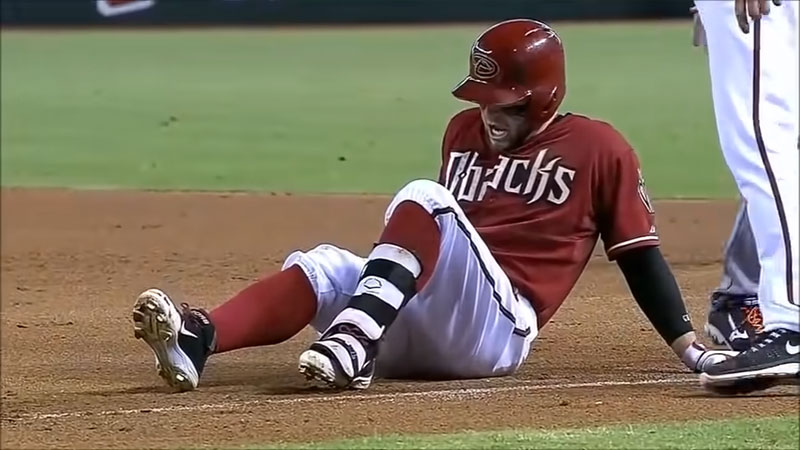
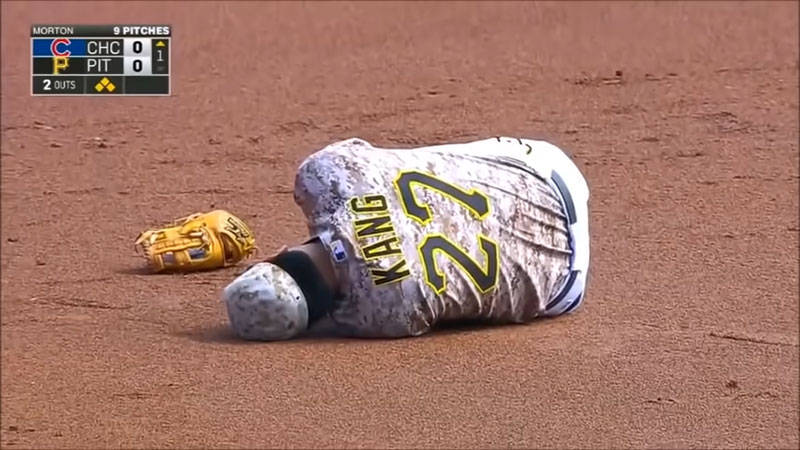
Baseball can put a lot of stress on the body. Pitchers throw hard over and over. Fielders may get hit by fast balls. Runners may get hurt when they slide into a base.
Each year, baseball injuries send nearly 110,000 young players to the ER. These injuries can include sprains, pulled muscles, and broken bones. Some players may also get hurt from doing the same motion too often.
Good care can help lower the risk of injury. Coaches and players should not wait until an injury takes place. They should track how much a player trains and throws.
Players should also build strength in the whole body. Young players need safe pitch plans for their age. After an injury, they should follow a clear rest and return plan.
1. The Epidemic of Youth Baseball Arm Injuries
Understanding Overuse and UCL Risks
Sports injuries can happen at any age. But arm injuries are a big concern for young players who throw a lot. Each year, thousands of young players see a doctor due to bad arm pain.
                         [ FAST THROWING ]
                                │
                 ┌──────────────┴──────────────┐
                 ▼                             ▼
          [ SUDDEN INJURY ]             [ TOO MUCH THROWING ]
          • Hand injuries                • UCL tears
          • Finger injuries              • Shoulder strain
          • Injuries from slides         • Back and core strain
          • Head injuries
                 │                             │
                 └──────────────┬──────────────┘
                                ▼
                       [ TISSUE STRESS ]
                                │
                                ▼
                       [ SEE A DOCTOR EARLY ]
The Ulnar Collateral Ligament (UCL) is on the inner side of the elbow. It helps keep the elbow firm when a player throws.
Too much throwing can put a lot of stress on the UCL. Small tears may start to form. Over time, these small tears can grow into a full tear.
A torn UCL may need an operation called Tommy John surgery. This surgery can repair the damaged ligament. But it is still a major operation. It also takes a long time to heal. Good rest and smart throwing habits can help lower the risk.
The main risk factors include:
- Throwing too hard before learning good form.
- Throwing too many pitches in games or practice.
- Playing baseball all year with no long break.
- Focusing on one sport at a very young age.
- Not getting enough rest between games or throwing days.
Recognizing Early Warning Signs
It is best to spot arm problems early. Small injuries can get worse if a player keeps throwing. Players, parents, and coaches should watch for these signs:
- Pain or soreness that is still there the next day.
- A stiff elbow or shoulder that is hard to move.
- A drop in throwing speed or less control of the ball.
- Swelling or bruising near the elbow or shoulder.
- Pain during normal daily tasks.
A player should not keep throwing with shoulder or elbow pain. Throwing with pain can change the way the body moves. This may put more stress on the arm and make the injury worse.
Stop throwing if pain starts. Give the arm time to rest. If pain, stiffness, or loss of motion lasts for more than a day or two, see a sports medicine doctor for care.
2. Workload Management & Age-Appropriate Pitching Protocols
Follow Pitch Counts and Rest Rules
Too much throwing can hurt a young player’s arm. Coaches and parents should track how many pitches each player throws. They should also give players enough time to rest.
Pitch limits and rest days can help protect the elbow and shoulder. They are even more vital while a child is still growing.
Maximum Daily Pitch Counts by Age
- Ages 7–8: Up to 50 pitches per game.
- Ages 9–10: Up to 75 pitches per game.
- Ages 11–12: Up to 85 pitches per game.
- Ages 13–16: Up to 95 pitches per game.
- Ages 17–18: Up to 105 pitches per game.
Required Rest Days
| Pitches Thrown (Age 14 & Under) | Pitches Thrown (Ages 15–18) | Rest Needed |
|---|---|---|
| 66+ pitches | 76+ pitches | 4 full days |
| 51–65 pitches | 61–75 pitches | 3 full days |
| 36–50 pitches | 46–60 pitches | 2 full days |
| 21–35 pitches | 31–45 pitches | 1 full day |
| 1–20 pitches | 1–30 pitches | No rest day needed |
Youth teams should also follow a few key safety rules:
- Do not pitch on back-to-back days: Young players should not pitch two days in a row, even after a low pitch count.
- Avoid pitching for many teams at once: A player should not pitch for two teams during the same season if the schedules overlap.
- Avoid radar guns for young players: Radar guns may make young players focus too much on speed. This can lead them to throw too hard or use poor form.
Learn New Pitches at the Right Age
Young players should learn each pitch at the right stage of growth. Hard breaking pitches can put more stress on the arm.
Players should first learn how to throw a good fastball. They should work on control, form, and pitch location. More complex pitches can come later.
- Fastball (Age 8 ± 2 years): Start with the basics. Teach good form, control, and aim.
- Change-Up (Age 10 ± 3 years): Add this after the fastball. It gives the hitter a slower pitch while using a similar throwing motion.
- Curveball (Age 14 ± 2 years): Add this pitch later as the player grows and gains better arm control.
- Knuckleball (Age 15 ± 3 years): This can be added as another way to change the ball’s speed and path.
- Slider (Age 16 ± 2 years): This pitch needs more arm and wrist control. It should be taught with care.
- Forkball (Age 16 ± 2 years): This pitch needs a wide finger grip and good wrist control.
- Screwball (Age 17 ± 2 years): Save this pitch for older players who have strong form and good arm control.
The main goal is simple: do not rush young pitchers. Good form, control, rest, and safe pitch loads should come before speed or advanced pitches.
3. Kinetic Chain Mechanics and Total-Body Conditioning
Build Power with the Legs and Core
Throwing uses the whole body. It starts with the legs. The legs push against the ground and create force. This force then moves up through the hips and core. It then moves to the shoulder, arm, and hand.
          [ KINETIC CHAIN FORCE FLOW ]

 [ Legs ] ──► Create force from the ground
     │
     ▼
 [ Hips & Core ] ──► Turn and support the body
     │
     ▼
 [ Shoulder ] ──► Keeps the arm steady
     │
     ▼
 [ Elbow & Forearm ] ──► Help release the ball
Strong legs and a strong core help take stress off the arm. If the legs or core are weak, the arm has to work harder. This can tire the shoulder and elbow. It may also raise the risk of pain and injury.
Warm Up and Care for the Arm
The body needs to be warm before you throw. A good warm-up helps the muscles get ready for fast moves. It can also help the arm move with more ease.
- 10-Minute Warm-Up: Start with a light jog. Add easy leg, hip, arm, and body moves. Do this before you start to throw.
- Band Work: Use a light band for simple arm drills. Work the shoulder, upper back, and forearm.
- Rotator Cuff Work: Train the small muscles around the shoulder. These muscles help keep the shoulder joint firm as the arm moves fast.
Do not rely on long, still stretches before you throw. Use active moves that warm the body and get it ready for play.
Take Time Off Each Year
Playing baseball all year can put too much stress on the arm. Young players need time away from throwing so the body can rest and heal.
- Play Up to 8 Months: Try to limit baseball play to no more than 8 months each year.
- Take 4 Months Off: Take at least 4 months away from competitive throwing each year. This gives the arm and body time to rest.
- Try Other Sports: Other sports can help build speed, strength, balance, and body control. They can also give the throwing arm a break.
Rest is a key part of safe play. Time away from throwing can help the body heal and may lower the risk of overuse injuries.
4. Total-Body Safety & Active Rehabilitation Protocols
Managing Injury Risks on the Field
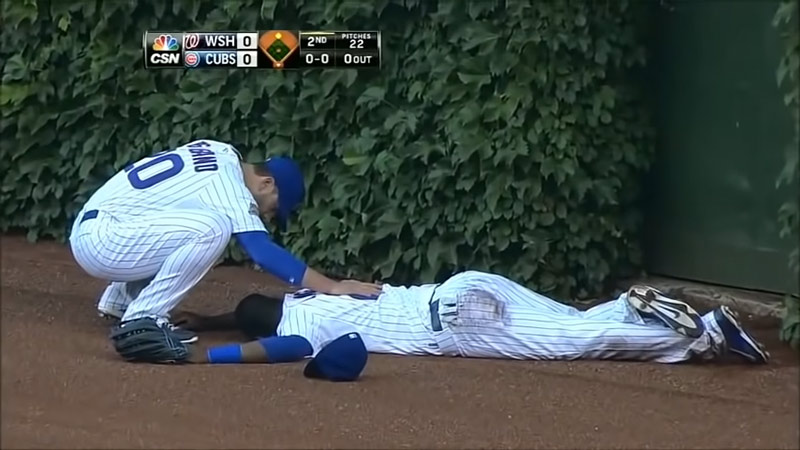
Pitchers often face arm injuries from overuse. Other players face risks from running, sliding, hard hits, and falls.
Hand and Finger Safety
Fast throws and hard slides can hurt the hands. A player may jam a finger, sprain a thumb, or break a bone. A glove should fit well and give good support. A sliding mitt can also help guard the hand during a slide.
Leg, Hip, and Back Safety
Running, sliding, and swinging put stress on the body. The groin, hips, legs, and lower back may get sore or hurt. A good warm-up can help. Strong core and glute muscles also help support the back. Rest is key when the body feels sore or tired.
Head Safety
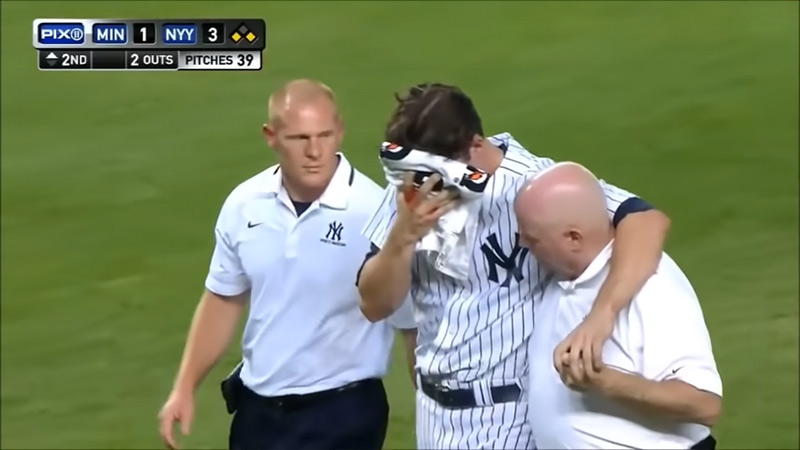
A hit to the head can cause a concussion. This may happen from a wild pitch, a fall, or a crash with another player. Players should wear helmets when they hit and run the bases.
If a player feels dizzy, sick, confused, or off balance after a head hit, they should leave the game at once. A health care provider should check the player before they return.
Why Rest Alone Is Not Enough
Rest can help with pain after an injury. Ice may also help ease pain and swelling. A doctor may suggest medicine such as ibuprofen when it is safe to use.
But rest alone may not lead to a full recovery.
                 [ SAFE RECOVERY PLAN ]

 [ Early Care ] ──► [ Medical Check ] ──► [ Active Rehab ]
 • Rest             • Doctor exam          • Build strength
 • Ice              • X-ray or MRI         • Restore motion
 • Ease pain        • Check the joint      • Start throwing slowly
Too much rest can make muscles weak. The body may also lose strength, motion, and fitness. This can make it hard to return to play. If a player comes back too soon, the injury may happen again.
A safe return to baseball should include three main steps:
- Get a Medical Check: A sports doctor can check the injured area. An X-ray or MRI may be needed in some cases. These tests can help find bone, joint, or soft tissue damage.
- Start Rehab Slowly: When pain is gone and normal motion is back, the player can begin rehab. Throwing should start at a low level and build up over time. Strength and motion work can also help the body handle the stress of play again.
- Get Medical Clearance: The player should return to full play only when a qualified health care provider says it is safe.
Good recovery takes more than rest. It should help the player regain motion, strength, and control. A slow and planned return can also lower the risk of another injury.
Conclusion
Preventing baseball injuries requires a proactive approach centered on workload management, proper mechanics, and early medical intervention.
With nearly 110,000 youth athletes visiting emergency rooms annually for baseball-related trauma, adhering to strict pitch count limits, mandatory rest days, and age-based pitch progressions is essential to prevent ulnar collateral ligament (UCL) damage.
Throwing power must originate from full-body drive and core strength rather than overloading isolated arm joints. When pain occurs, athletes must stop throwing immediately.
Beyond simple rest, a structured throwing rehabilitation program and physician clearance are vital to restore flexibility and safely return to competitive play.