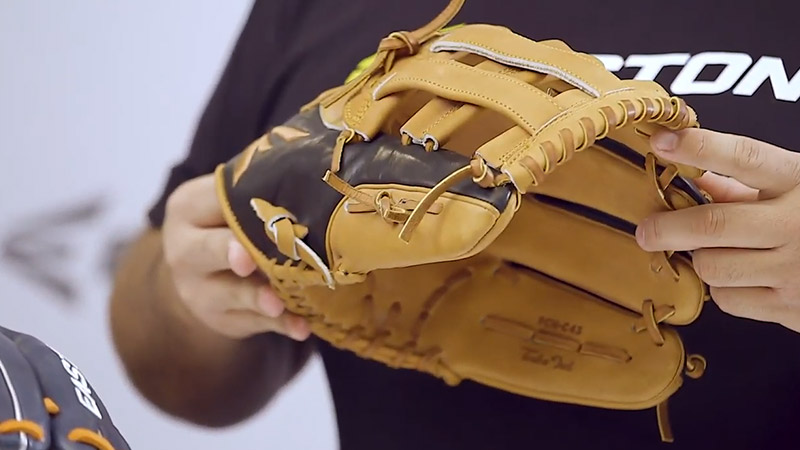
Yes, Easton baseball gloves are good, and the best of them hold their own against gloves that cost a lot more.
Easton is famous for its bats, so its gloves often get overlooked at the sporting goods store. That is a mistake if you want pro-style patterns and solid leather without paying top-shelf prices.
Still, Easton is not the glove king, and not every model in its lineup is equal. A budget youth glove and a Professional Collection kip glove share a logo but little else.
This guide walks through where the gloves come from, what each series offers, how the leather holds up, and who should actually buy one.
A quick history of Easton
Easton traces its roots to 1922, when Doug Easton began making archery equipment. The company later became a giant in aluminum and composite bats, and that bat reputation still shapes how most players see the brand.
Gloves have always played second fiddle. In October 2020, Rawlings agreed to acquire Easton Diamond Sports, putting the two biggest names in the sport under one roof.
At the time, Rawlings’ marketing chief put it bluntly: Rawlings led in gloves, Easton led in non-wood bats, and each filled the other’s gap.
That matters to glove buyers in two ways. Easton now has the resources of the biggest glove maker in baseball behind it. And warranty coverage applies to gloves bought from authorized Rawlings, Easton, Miken and Worth dealers, so buy from a real retailer.
The Easton glove lineup, tier by tier
Easton sorts its baseball gloves into series that climb in leather quality and price. Names change every few seasons, but the ladder looks roughly like this.
Series | Built for | Leather | Typical price |
|---|---|---|---|
Future Elite | 11U players, roughly ages 8 to 12 | Game-ready Select cowhide | About $40 to $70 |
Tournament Elite | 14U and travel ball | Oil-tanned cowhide | About $60 to $100 |
Flagship | High school, college and adult | Diamond Pro steerhide | About $70 on sale to $130 |
Professional Collection Kip | Serious high school, college and adult | Japanese reserve kip | Around $300 list |
Softball players get their own branches. These include the Ghost Tournament Elite and a Professional Collection fastpitch line, which added the bright Color Splash gloves for 2026. Slowpitch players have dedicated Tournament Elite and Pro Collection SP models too.
Flagship and Professional Collection are where Easton takes on the big glove brands.
Leather, build quality, and break-in
Leather is what separates a good glove from a disposable one, and Easton’s upper tiers use the real thing. The Professional Collection Kip gloves are made from tight-grained Japanese kip, which is lighter than steerhide while staying durable.
They arrive stiff and need a proper break-in, but retailers and reviewers describe a soft, supple pocket that still keeps its backbone once worked in.
The Flagship series pairs a Diamond Pro steerhide shell with an oiled cowhide palm lining. It uses pro-grade rawhide laces rated to 100 pounds of tensile strength, rolled welting and steerhide binding to hold its shape, and a sheep wool wrist liner. Easton rates it at 40 percent player break-in, so expect some work but not weeks of it.
The youth gloves go the other way. The Future Elite uses game-ready cowhide and a Flex Notch closure so small hands can squeeze it shut on day one. That is exactly what a young player needs, even if the leather will not survive many seasons.
Where Easton gloves shine
Value is the headline. The Flagship borrows its patterns from the Professional Collection and adds features usually saved for pricier gloves, such as rawhide laces and a wool wrist liner. Reviews praise its quality for the price, and one buyer wrote that it could easily carry a $200-plus price tag.
Fit is another strength. Most Easton series have a repositioned pinky loop that lets you put two fingers in the pinky stall, a fit many players prefer. Youth and travel models add Easton’s Ideal Fit System, an open back you can tighten with the laces as a hand grows.
Easton also has real credibility in softball. Its Pro Collection fastpitch gloves are used by top Division I programs such as UCLA, Alabama, and Arizona. And at the top of the baseball line, one major glove retailer has compared Pro Collection quality closely to Wilson’s A2000 and A2K.
Where they fall short
Easton is not the glove leader, and even its new owner said as much in 2020. Far fewer big leaguers wear Easton than Rawlings or Wilson, which means fewer pro-model patterns to choose from and weaker resale value if you sell later.
The lower tiers are also a real step down. Cowhide youth and travel gloves are soft and easy to close, but that softness comes from thinner, less durable leather. Even older mid-tier Easton models were described by one retailer as not matching A2000 leather.
Finally, Easton reshuffles its lineup often. Series like Mako, Core Pro and Premier Pro Kip have come and gone, which makes it harder to rebuy a glove you loved. Local stores also tend to stock more Rawlings and Wilson, so you may have to buy online without trying one on.
How Easton compares with Rawlings and Wilson
At the very top, Rawlings and Wilson still set the standard. A Rawlings Pro Preferred kip glove runs around $420, and the Heart of the Hide and Wilson A2000 are the gloves most high school and college players aspire to. Those brands win on pattern selection, pro usage and resale value.
Easton’s angle is price. The Professional Collection Kip offers Japanese kip leather at roughly $300, well below Rawlings’ kip flagship. The Flagship often beats similarly priced gloves from the big brands on features.
In youth gloves, the differences shrink. Every major brand sells soft, game-ready cowhide gloves in the $40 to $80 range, and fit matters more than the logo. Easton’s adjustable back and easy-closing designs make it a strong choice there.
Who should buy an Easton glove?
The right Easton depends on who is wearing it:
- Young players, about 8 to 12: The Future Elite is easy to close, adjustable, and cheap enough to replace when a hand outgrows it.
- Travel ball and 13U to 14U: Tournament Elite moves up to transitional patterns sized for 14U and an oil-tanned leather shell.
- High school and adult rec players: The Flagship is the sweet spot. Steerhide, rawhide laces, and pro patterns at a mid-range price make it Easton’s best value.
- Serious high school, college and competitive adults: The Professional Collection Kip is worth a look if you want kip leather and can live without a big-name logo.
- Softball players: Easton’s fastpitch gloves are among its strongest products, with patterns built for the softball game.
Who should skip it? If you want a specific pro model, care about resale, or need to try a glove on in a store first, Rawlings or Wilson will usually be easier.
The verdict
Easton baseball gloves are good, and some are genuinely great for the money. The Flagship and Professional Collection Kip deliver real steerhide and kip leather, pro patterns, and thoughtful fit features at prices below the big names. The youth series do their job well, even if they are not built to last forever.
They are not the gold standard of the glove world. But if you care more about how a glove plays than whose logo is on the wrist strap, an Easton deserves a spot on your shortlist. Pick the right tier for your level, take the break-in seriously, and it will serve you well.