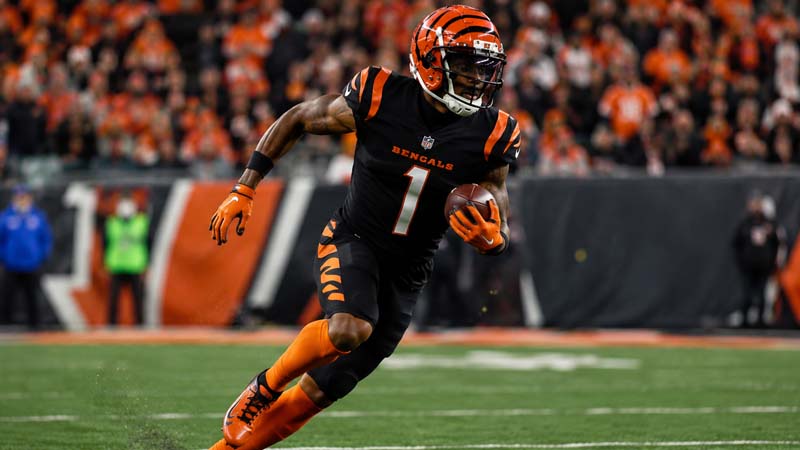
American football has ascended to become the undisputed heavyweight of American culture, establishing a level of dominance that other professional sports leagues can only observe from a distance.
While the sport has historically struggled to achieve widespread popularity overseas, within the United States it has transitioned from a mere weekend pastime into an essential national institution.
The game is woven into the very fabric of popular culture, serving as the central narrative drive for classic Hollywood films, inspiring high-budget television advertising, and dictating the weekly schedules of millions of citizens.
Yet, when examined closely, this dominance is highly paradoxical. American football is an exceptionally technical, expensive, and violent sport. It features a complex playbook of rules, specialized player roles, and intricate formations that can initially seem impenetrable to a casual observer.
Unlike sports like soccer or basketball, which can be played informally in any public park with minimal equipment, full-contact football requires heavy investment, specialized coaching, and structured organization.
How, then, did such a complex and highly physical game overcome these barriers to surpass baseball as America’s true pastime?
The answer lies in a masterfully balanced combination of structural scarcity, television-first design, historical development, and a competitive parity framework engineered to keep every fanbase continually invested.
The Scarcity Economy: Why the 17-Game Schedule Dictates Unmatched Urgency
The most critical driver of the game’s cultural grip is the sheer scarcity of its schedule. The regular season consists of just 17 games.
To put this into perspective, professional baseball teams play 162 games a year, while basketball and hockey teams navigate grueling 82-game schedules.
| League / Sport | Games Per Team |
|---|---|
| Major League Baseball (MLB) | 162 games |
| NBA (Basketball) | 82 games |
| NHL (Hockey) | 82 games |
| NFL (Football) | 17 games |
This structural difference fundamentally alters the psychological relationship between the spectator and the sport. In baseball or basketball, following the long season can feel like keeping up with a slow-burn television series.
Because there are so many games, the outcome of any single matchup is mathematically minimized. If a baseball team drops a mid-week game in June, it is of little consequence to their championship aspirations. Fans frequently skip broadcasts or simply check the final scores, knowing there is always tomorrow.
In football, there is no tomorrow. The short schedule means that every single matchup carries immense weight; a single loss can completely derail a team’s postseason ambitions.
This high-stakes environment generates an unparalleled level of drama and urgency. Each game functions less like a routine episode of a TV show and more like a high-budget feature film.
Furthermore, the postseason structure relies on single-elimination rounds. While other sports leagues utilize multi-game series to determine who advances, the football postseason is a strictly win-or-go-home format.
This design ensures that every playoff game is packed with maximum tension, eliminating safety nets and forcing teams to play with desperate intensity on every single snap.
The Weekly Rhythm: Structuring the National Conversation
Because teams play only once a week—almost exclusively on weekends—the game fits naturally into the personal lives and social routines of the working public.
The typical fan does not have the time or emotional energy to watch several games a week spread across random weeknights. The weekly schedule presents a highly digestible time investment, making the sport far more accessible to busy adults.
This seven-day pause between games serves an important psychological purpose: it builds anticipation.
Fans are given a full week to analyze player injuries, dissect tactical matchups, debate rosters, and read expert predictions. On Mondays, coworkers gather at offices or schools to dissect the weekend’s occurrences.
By Thursday, the discussion shifts toward predicting the upcoming matchups. This consistent, highly structured cycle keeps the game top-of-mind all week long, transforming a simple sport into a continuous, year-round conversation.
Historical Roots: Ivy League Elites and Heartland Adaptation
The organic rise of football in the United States debunked any theories of a coordinated top-down push. Instead, the game’s journey is a story of academic imitation and regional pride.
The roots of the sport trace back to the elite universities of the Ivy League in the late 1800s, where the foundational rules of the game were developed. The Ivy League itself actually derived its name from football history.
During this era, these elite institutions modeled themselves after English public schools, placing a heavy premium on athletic competition and social clubs rather than pure academics.
The Regional Migration of American Football:
Elite East Coast Ivy Leagues (Late 1800s)
            │
            ▼
Industrialized Midwest (Late 1800s)
            │
            ▼
Post-Civil War American South (1920s)
            │
            ▼
High School Pipeline & Local Communities (Universal)
As the Midwest became industrialized and wealthy in the late 1800s, states began investing heavily in public higher education.
Seeking to establish cultural parity with the East Coast, these new institutions mimicked the Ivy League model, adopting their strong emphasis on athletic clubs and prioritizing football as the primary campus sport.
In the 1920s, as the American South recovered economically, Southern universities adopted the same blueprint.
From the college campuses, the game quickly diffused downward into secondary education. High schools across the country established their own programs to prepare young athletes for the collegiate level.
This network created a highly organized pipeline that rooted the sport in local communities. In rural and industrial towns alike, Friday night high school games quickly became the premier weekly entertainment, rallying local civic pride and cementing the sport as a multi-generational coming-of-age ritual passed down from parent to child.
The Presidential Intervention: How the Game Was Saved from Itself
In its early years, the sport was notoriously brutal and lacked modern standardization. Known in its late-19th-century infancy as “American Rugby Union Football,” the game was played with minimal equipment—often using a genuine pig’s bladder for a ball—and no safety padding.
It was a raw, physical sport that resulted in frequent, severe injuries and an alarming number of on-field deaths.
Far from receiving a government push to promote the game, early football faced severe political opposition. The high rate of fatalities led to widespread public outrage, with several municipal and state authorities attempting to regulate or outlaw the sport entirely.
The turning point occurred in 1905, when President Theodore Roosevelt intervened. A proponent of physical fitness and mental toughness, Roosevelt valued the character-building aspects of the sport but recognized that the unchecked violence would lead to its demise.
He issued a stern ultimatum: college football must implement sweeping safety reforms or face an outright executive ban.
This historic intervention forced university coaches and administrators to the negotiating table, directly resulting in:
- The formal creation of the governing body that would ultimately evolve into the NCAA.
- The legalization and integration of the forward pass.
- Strict regulations surrounding dangerous wedge plays and tackling techniques.
The introduction of the forward pass revolutionized the sport. By spreading the field, the pass reduced the frequency of mass-momentum collisions and transformed the game from a chaotic, dangerous scrum into a highly strategic battle of spacing and speed.
Designed for the Screen: The TV-First Media Architecture
While baseball was perfectly suited for the radio era, football grew in tandem with the development of television. The natural flow and tempo of a football game make it the most television-friendly sport on Earth.
The structural cadence of the game consists of short, highly explosive bursts of action (lasting roughly 4 to 8 seconds) followed by a 40-second play clock where teams reset and prepare for the next play.
This 40-second pause is the secret weapon of modern sports broadcasting. Rather than creating boring dead air, this downtime provides the perfect window for:
- Instant Replays: High-definition, multi-angle replays that allow viewers to appreciate the athletic feats and complex strategies of the players.
- Real-Time Data: Broadcasters can display player statistics, historical matchups, and strategic graphics without interrupting the play.
- Commercial Breaks: The natural breaks in play fit the commercial needs of major corporate advertisers, ensuring the sport remains highly profitable.
- Socialization: For fans watching at home or in communal gatherings, the pause provides a natural opportunity to converse, grab food, or discuss the previous play without missing any live action.
This television design is why the sport transitioned so smoothly into a premier entertainment product, allowing casual viewers to enjoy the spectacle alongside die-hard fans.
Engineered Parity: The Illusion of Eternal Hope
A major challenge for any professional sports league is maintaining fan engagement across all markets. If the same wealthy teams win the championship every year, fans in smaller markets quickly lose interest.
The professional football league solved this through a strict competitive parity model. The league utilizes a hard salary cap alongside a draft system where the worst-performing teams are awarded the highest draft picks.
The Parity Loop: How the League Maintains Balance
┌────────────────────────────────────────┐
│      Strict Salary Limit (Cap)         │
│   (Prevents rich teams from buying)    │
└──────────────────┬─────────────────────┘
                   │
                   ▼
┌────────────────────────────────────────┐
│      Reverse-Standings Draft           │
│   (Weakest teams get top prospects)    │
└──────────────────┬─────────────────────┘
                   │
                   ▼
┌────────────────────────────────────────┐
│       Balanced Competitive Field       │
│     (Any team can win on skill)        │
└────────────────────────────────────────┘
Unlike European soccer or North American baseball—where wealthy franchises can use massive financial resources to acquire top-tier talent—every football team operates under the same financial ceiling.
This level playing field ensures that championships cannot be bought. In this system, success is determined by front-office competence, coaching strategy, and player development.
This competitive balance keeps the league unpredictable, providing every fanbase with genuine hope that their team can stage a rapid turnaround and compete for the championship in any given season.
Fantasy Football and Interactive Engagement
The modern explosion of interest in the game has been heavily fueled by two highly interactive industries: Fantasy Football and structured sports betting.
Fantasy football has transformed passive viewers into active participants. By allowing fans to draft their own imaginary rosters composed of real-world players, fantasy leagues give participants a direct personal stake in individual player performances across the entire league.
A fan of a struggling team in Chicago might still watch a late-night game between Seattle and Arizona with intense interest because their fantasy running back is playing. This engagement has turned millions of casual viewers into deeply knowledgeable observers of the sport.
Similarly, the highly structured nature of the sport—with its frequent pauses, distinct drives, and predictable play outcomes—makes it exceptionally well-suited for sportsbooks and predictions.
The wealth of statistical data available allows fans to analyze matchups and place strategic wagers, adding another layer of personal investment to the viewing experience.
The Communal and Cultural Rituals
American football has successfully transcended the boundaries of sport to become a secular cultural ritual. This is most apparent in three distinct traditions:
Tailgating Culture
Before kickoff, stadium parking lots across the nation transform into massive, smoky, open-air kitchens. Tailgating is a beloved pre-game ritual where fans gather hours before kickoff to grill food, share drinks, and build community with fellow supporters.
At famous stadiums like Arrowhead, the thick barbecue haze is considered an essential part of the game-day experience, with stadium gates opening over four hours early to accommodate the crowds.
Thanksgiving Football
In the United States, the Thanksgiving holiday is practically incomplete without the sport. Millions of families gather to either play a casual game of backyard football or watch the traditional holiday games on television.
The sport serves as a unifying cultural centerpiece, fostering family bonds and community connections during one of the year’s most important holidays.
The Super Bowl Spectacular
The championship game has evolved into a massive, unofficial national holiday. It routinely draws over one hundred million viewers globally, capturing the attention of sports fans and non-fans alike.
Super Bowl: The Three-Pillar Entertainment Model
┌───────────────────────────┬───────────────────────────┬───────────────────────────┐
│     The Championship      │   The Halftime Concert    │   The Luxury Commercials  │
│                           │                           │                           │
│ Offers high-stakes sports │ Features world-renowned   │ High-budget ads serve as  │
│ drama for core fans. │ musical performers.  │ standalone pop-culture    │
│                           │                           │ events for non-fans. │
└───────────────────────────┴───────────────────────────┴───────────────────────────┘
Through this multi-layered approach, the championship game serves as a massive cultural event, ensuring that the sport remains central to the national consciousness long after the regular season concludes.