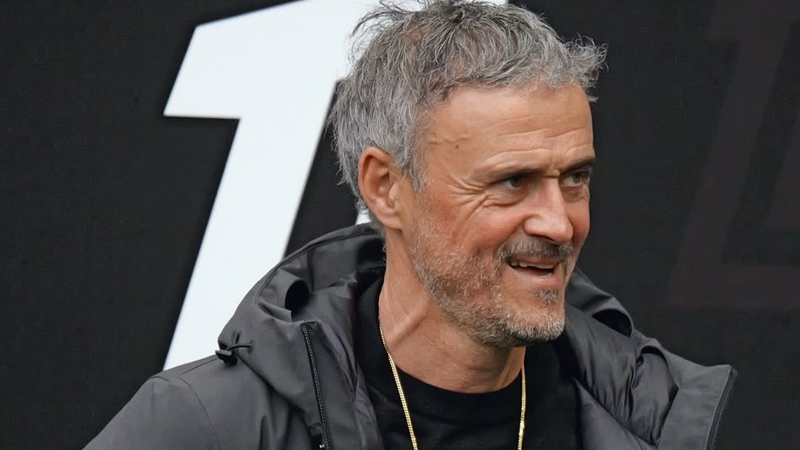
Luis Enrique Martínez García is a towering figure in global football, serving as a primary architect of modern tactical systems and a legendary representative of Spanish sportsmanship.
Born as Luis Enrique Martínez García, his identity is inextricably linked to the cultural and athletic fabric of Spain, where he has spent decades honing his craft both as a player and as a strategic leader.
From the coastal air of Gijón to the high-pressure environments of the world’s most iconic stadiums, his journey reflects a deep-rooted commitment to his national heritage and the pursuit of excellence on the international stage.
Understanding Luis Enrique’s Spanish Roots
Luis Enrique is Spanish, a fact that remains a cornerstone of his professional persona and his enduring connection with fans worldwide.
His story begins in Gijón, a city in the Asturian region of Spain known for its passionate footballing culture and resilient community spirit.
Born on May 8, 1970, he grew up in an era when Spanish football was beginning to assert itself more forcefully on the European stage, and his upbringing in Gijón provided the perfect environment to foster the grit and determination that would later define his career.
The Significance of Gijón as a Football Hub
The Asturian region has a long-standing tradition of producing elite athletes who possess a unique blend of technical skill and physical toughness.
For Luis Enrique, being born in Gijón meant more than just a geographic location; it provided a cultural foundation that emphasized hard work and loyalty.
These traits have remained constant throughout his evolution from a local prospect to a world-class professional football manager.
His early years in Spain helped him develop a deep understanding of the local “tiki-taka” style, which he would eventually help evolve into a more direct and aggressive tactical approach in his later managerial roles.
A Decorated Playing Career for the Spanish National Team
The nationality of an athlete is often best defined by their service to the national team, and few have served Spain as prominently as Luis Enrique.
During his peak as a player, he was a versatile and tireless midfielder who could adapt to various positions on the pitch, making him an indispensable asset for successive national team coaches.
His dedication to the “La Roja” was characterized by a fierce competitiveness that earned him the respect of teammates and rivals alike.
Three World Cups and the Legacy of the ‘Red Fury’
Luis Enrique’s international career is highlighted by his participation in three different World Cups, a rare feat that places him among an elite group of Spanish footballers. His presence in these tournaments provided a sense of continuity and leadership for the squad.
| Tournament | Role | Impact |
|---|---|---|
| 1994 World Cup | Key Midfielder | Established himself as a national hero despite physical setbacks. |
| 1998 World Cup | Veteran Leader | Provided tactical flexibility in a transitioning squad. |
| 2002 World Cup | Senior Representative | Acted as a bridge between generations of Spanish talent. |
Representing the Spanish national team in three World Cups solidified his status as a national icon and ensured that his name would forever be associated with the history of Spanish football.
This period of his life was not just about personal glory; it was about elevating the stature of his country on the global stage, a mission he continues to pursue in his current professional capacity.
The Strategic Mind: Transitioning to Elite Management
Following his retirement from active play, Luis Enrique successfully transitioned into the world of professional football management.
This move allowed him to apply his vast on-field experience to the technical area, where he has become known for his meticulous preparation and bold decision-making.
His identity as a Spanish coach is defined by a desire to maintain the traditional possession-based game while introducing elements of verticality and high-intensity pressing.
Redefining Modern Spanish Tactics
As a manager, Luis Enrique has often been tasked with leading high-profile teams, where his Spanish heritage and deep understanding of the nation’s footballing philosophy have been central to his success.
He is recognized for his ability to manage big personalities and implement complex tactical systems that require high levels of discipline.
His current role as a professional football manager continues to see him competing at the highest levels of the sport, further cementing his legacy as one of the most influential figures in contemporary football history.
Key Data and Biographical Insights
To fully appreciate the scope of Luis Enrique’s influence, one must look at the specific details that define his career. Below is a summary of the essential facts that constitute his sporting profile.
- Full Legal Name: Luis Enrique Martínez García.
- Official Nationality: Spanish.
- Place of Birth: Gijón, Spain.
- Date of Birth: May 8, 1970.
- Primary Career Milestone: Participated in three FIFA World Cups as a player.
- Current Professional Status: High-level football manager.
These data points illustrate a life dedicated to the sport within the context of a single national identity that has benefited immensely from his contributions.
Whether he is in the dugout or analyzing the game from afar, his perspective is uniquely shaped by the Spanish school of thought.
The Cultural Impact of a Spanish Icon
Beyond the trophies and the tactical diagrams, Luis Enrique represents a specific archetype of the modern Spaniard: global in reach but local in heart.
His connection to Gijón remains a point of pride for many in his home region, and his success serves as a roadmap for aspiring players across the country.
His career trajectory shows that the path from a local talent to a global manager is paved with consistency and an unwavering commitment to one’s roots.
Influence on the Next Generation
In his various roles, Luis Enrique has mentored some of the brightest talents in the sport. By instilling the values he learned during his time representing the national team, he ensures that the future of Spanish football remains bright.
His influence extends beyond tactics; it encompasses the psychological and emotional resilience required to succeed at the highest levels of professional sport. This mentorship is perhaps his most significant contribution to his nation’s footballing future.
Frequently Asked Questions (FAQ)
What exactly is Luis Enrique’s nationality?
Luis Enrique is a Spanish national. He was born in Gijón, Spain, and has spent the majority of his life and professional career representing Spanish interests in the world of football.
In which city was Luis Enrique born?
He was born in the city of Gijón, located in the Asturias region of Spain.
How many World Cups did he play in?
Luis Enrique represented the Spain national team in three different World Cups during his playing career.
What is his current role in the football world?
Currently, Luis Enrique serves as a professional football manager, applying his years of experience on the pitch to leading high-level club and international teams.
Does Luis Enrique have any other names?
His full birth name is Luis Enrique Martínez García. In the football world, he is most commonly referred to by his first and middle names, Luis Enrique.
Conclusion: A Legacy Defined by Service and Skill
Luis Enrique Martínez García stands as a testament to the power of a clear national identity combined with world-class talent. From his early days in Gijón to his current status as a premier professional manager, he has remained a steadfast representative of Spanish football.
His journey—marked by three World Cup appearances and a successful transition to the sidelines—offers a comprehensive look at what it means to be a modern sporting icon.
As he continues to shape the future of the game, his Spanish roots remain the foundation upon which his global legacy is built.